Get your free personalized podcast brief
We scan new podcasts and send you the top 5 insights daily.
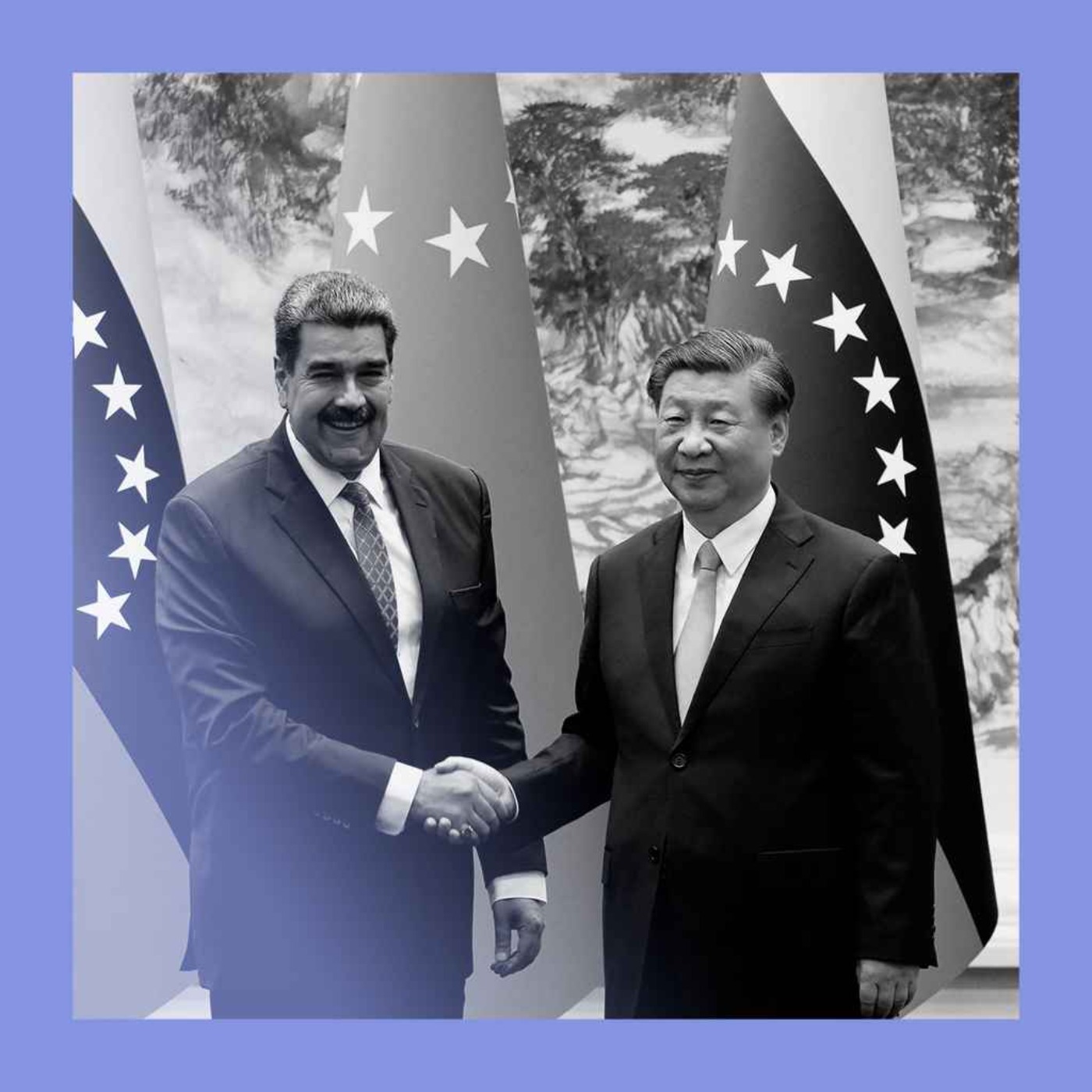
The American action in Venezuela was likely a strategic message to other nations, particularly in Latin America, that an alliance with China does not guarantee protection from US intervention and may carry unforeseen downsides.
Related Insights
The United States' greatest strategic advantage over competitors like China is its vast ecosystem of over 50 wealthy, advanced, allied nations. China has only one treaty ally: North Korea. Weakening these alliances through punitive actions is a critical foreign policy error that erodes America's primary source of global strength.

By offering only rhetorical support to its ally Venezuela, China reveals the practical limits of its global power. This inaction signals to other nations that a 'friendship' with China does not guarantee robust intervention in a crisis, especially outside of its core strategic interests in Asia.
The public narrative of fighting a "war on drugs" in Venezuela is a distraction. The true purpose of the US military consolidation in the Caribbean is to project power against China, which has massive investments, shipping routes, and influence in the region. The conflict is a strategic message in an undeclared cold war.

While a $10 billion loss on Venezuelan loans is substantial, it's a small fraction of the over $2 trillion China has lent via its Belt and Road Initiative. For Beijing, the erosion of a key strategic foothold in Latin America is a far greater concern than the financial write-down.

Venezuela's remaining leadership can adopt a strategy of "playing for time." By appearing cooperative while delaying substantive changes, they can wait for events like the US midterms to increase domestic political pressure on the administration, making sustained intervention unpopular and difficult to maintain. The weaker state's best defense is the superpower's internal clock.
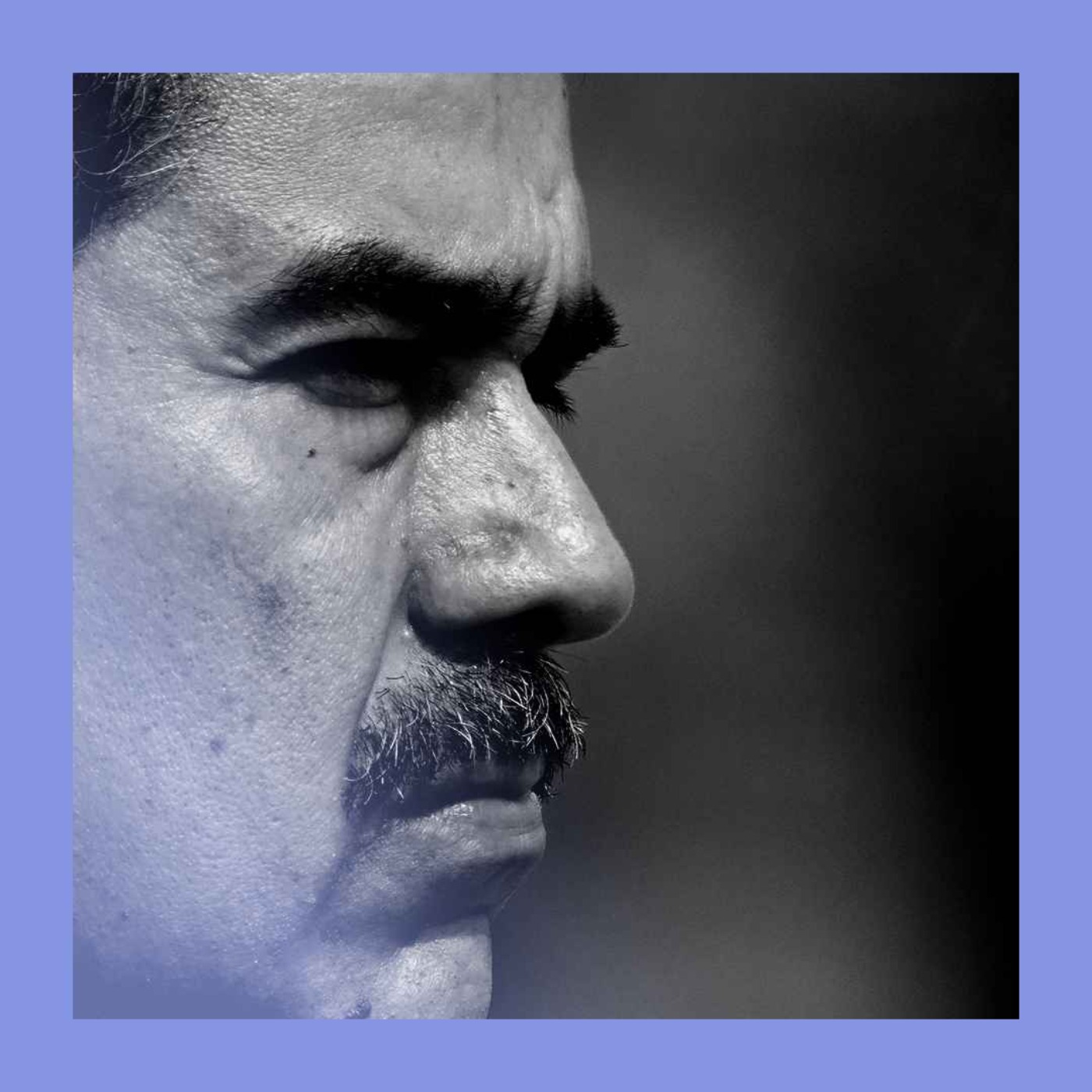
Contrary to the assumption that U.S. military action is unwelcome in the region, polling reveals significant support. 53% of Latin Americans and 64% of the Venezuelan diaspora would back an intervention to remove Nicolas Maduro, highlighting a major disconnect with the skepticism of the American public.

The public narrative of fighting narco-terrorism in Venezuela is a red herring. The true strategic goal is to justify a U.S. military presence in the Caribbean to counter China's growing economic and military investments in the region, including control of key shipping routes and military partnerships.

The US troop buildup near Venezuela isn't just about oil; it's a strategic move to counter China's growing economic influence in South America. China is establishing a gold-backed currency network, and the US is using military leverage on Venezuelan allies to disrupt this challenge to its hemispheric dominance.

The conflict is not primarily about oil or drugs, but a strategic move to reassert U.S. dominance in the Western Hemisphere. As China solidifies its influence in the East, the U.S. is 'drawing a line' to counter China's partnerships (like with Venezuela) in its own sphere of influence.

The Trump administration's renewed focus on Latin America, as detailed in its national security strategy, could inadvertently signal a reduced US geopolitical focus on China's sphere of influence. Beijing may interpret this as an opportunity to play the long game on Taiwan, avoiding immediate retaliation over Venezuela.