Get your free personalized podcast brief
We scan new podcasts and send you the top 5 insights daily.
The "Cuties" brand successfully escaped the commodity trap by creating strong brand recognition for mandarin oranges. They achieved this even while selling different fruit varieties under the same name, proving that powerful branding can build customer trust and loyalty that transcends the actual underlying product.

Related Insights
Businesses selling low-margin products can break free from price sensitivity by shifting their focus from utility to purpose. Storytelling attracts customers who value the mission, not just the price, creating a more defensible market position.

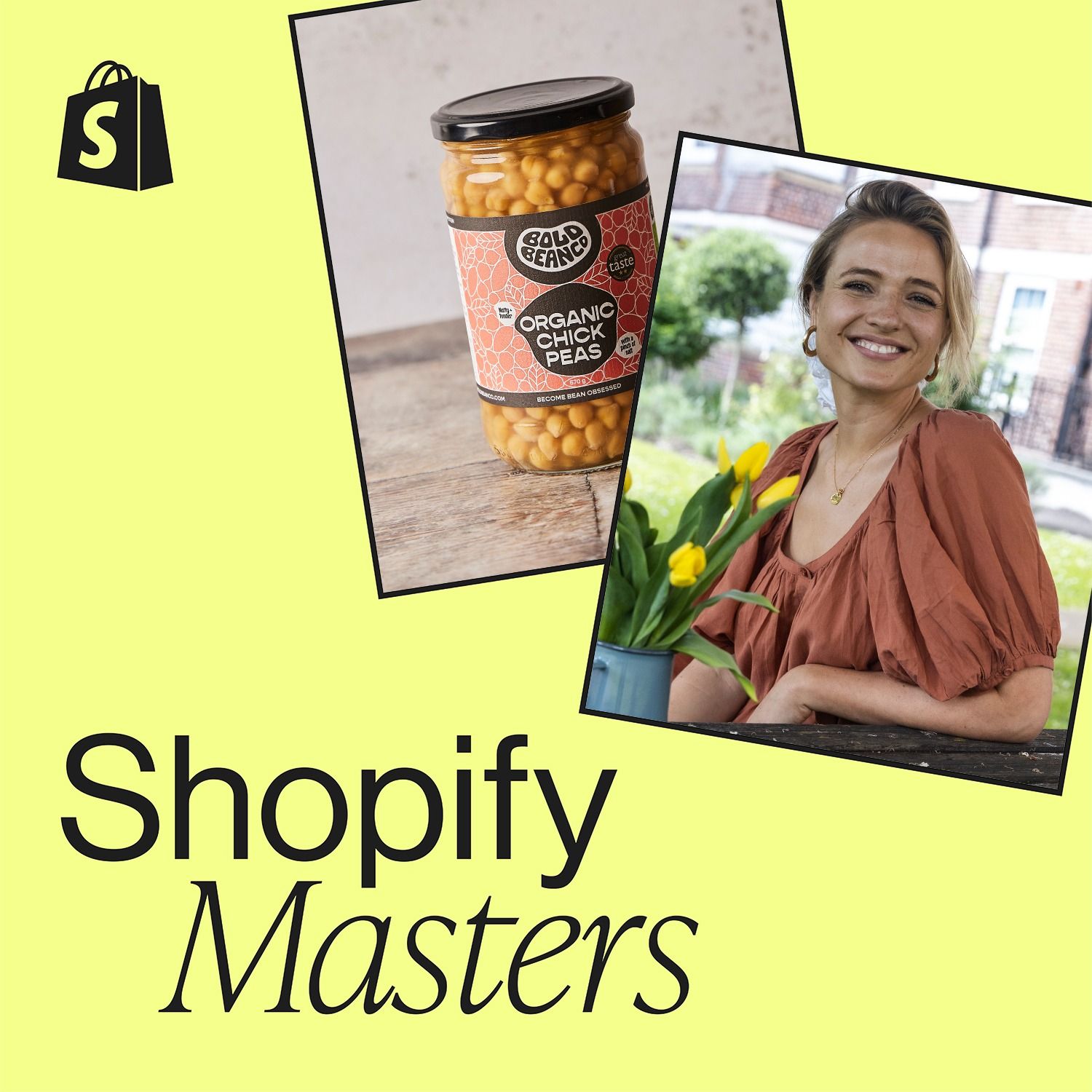
The brand used clear glass jars, initially a byproduct of a superior cooking method, to showcase the beans' quality. This transparency shifted consumer perception from a hidden pantry staple to a premium, display-worthy ingredient, justifying a higher price point.
Pricing power allows a brand to raise prices without losing customers, effectively fighting the economic principle that demand falls as price rises. This is achieved by creating a brand perception so strong that consumers believe there is no viable substitute.

Most product categories are commodities with minimal functional differences. Success, as shown by Liquid Death in the water category, hinges on building an emotional connection through branding and packaging, which are the primary drivers of consumer choice over minor product benefits.

Unlike other fruits, dates are sold under distinct brands because the industry positions them as a luxury treat, similar to chocolate, rather than simple produce. This strategy of shifting the product's purpose from utility to indulgence allows for brand differentiation and premium pricing.

A business with a generic name, boring logo, and no personality is just a "company" and will always struggle to charge more. Building a memorable "brand" signals seriousness and investment, allowing you to stand out and justify a higher price point.

The commodity product bleach, where Clorox holds 60% market share despite costing 40% more, shows how powerful branding builds trust. This model is transferable to home services, a 'perceived commodity,' enabling companies to build market share and pricing power through brand familiarity and trust.

A brand isn't just an identity; it becomes a competitive moat only when it directly influences purchase decisions. The true test is when a customer buys your product *because* of the brand, even if it's more expensive, has fewer features, or is otherwise inferior on paper.

The "Got Milk?" campaign illustrates how to build a powerful brand for an undifferentiated commodity. By focusing on the emotional, everyday experiences associated with the product, it created cultural relevance and affective importance, effectively raising the profile of the entire milk category rather than a single company.

A strong brand transforms a commodity by pairing it with desirable traits like "winning" or "luxury." Customers pay a premium not for the physical item, but to acquire a small piece of that association for themselves. They exchange money to feel like a winner or part of an exclusive group.
