Get your free personalized podcast brief
We scan new podcasts and send you the top 5 insights daily.
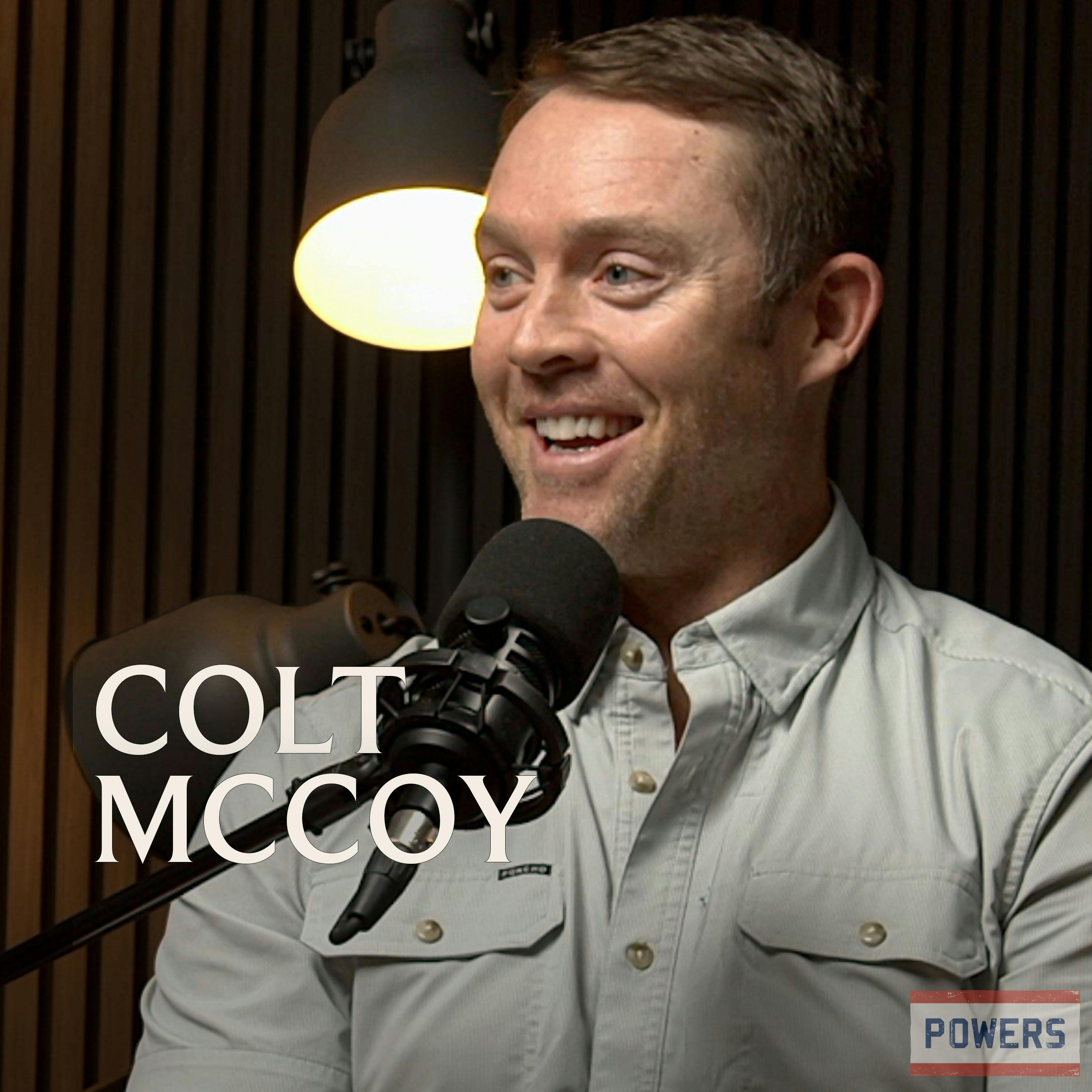
Being a TV color commentator involves intense, unseen preparation. For just one game, Colt McCoy had to conduct over eight interviews with coaches and players, watch extensive film to understand schemes, and memorize player names and storylines—a multi-day endeavor.
Related Insights
The Warriors' practice facility has cameras that record every shot by each player. This data provides hyper-specific feedback on miss tendencies (left/right, long/short) and shot arc, enabling coaches to offer highly tailored development advice.

ESPN's Chiney Ogwumike follows a three-step pre-broadcast system. First, she substantiates opinions with data. Second, she performs a mental ritual to achieve focus. Third, she structures key points in groups of three to maximize audience retention. This demonstrates that expert communication is a replicable system, not just a raw talent.

Colt McCoy's ability to lead his college team in rushing was a key to his success. However, in the faster, more physical NFL, that style was a liability. He had to reinvent himself as a quick-decision pocket passer, demonstrating that advancing requires adapting or replacing previously successful skills.
Sorkin prepares for interviews by mapping a "flight path"—knowing the start, end, and key topics. However, he expects "weather" (unexpected answers) to force diversions. This mental model provides structure while allowing the flexibility to listen and react, which is the key to a great interview.
In sports, internal-facing marketing assets like pre-game videos serve a dual purpose. They are designed to energize the players, which directly enhances their performance and, by extension, the fan experience. This creates a feedback loop where fan entertainment and player motivation fuel each other.

By not playing organized tackle football until 7th grade, Colt McCoy's anticipation and excitement for his first game were immense. This delay prevented the burnout common among children who start specialized sports early, making the experience more meaningful and cementing his love for the game.
At a University of Texas football camp, Colt McCoy discovered that players with scholarship offers were segregated onto a main field, creating a 'prize pony' group. This instantly established a clear hierarchy, forcing unproven players to perform exceptionally well just to get noticed by coaches.
When retiring from the NFL, Colt McCoy and his wife used a whiteboard to map out pros and cons of future paths, prioritizing family goals over defaulting to a coaching career. This structured, patient process of alignment led them to a new city and a new career in real estate.
Succeeding NFL phenom Vince Young at Texas, Colt McCoy knew he couldn't match Young's physical gifts. He instead focused his energy on mastering the mental game—deeply understanding schemes, coverages, and play calls—to create his own unique and sustainable competitive advantage.
Andrew Ross Sorkin believes the most crucial moment of an interview is the brief, informal interaction just before it officially begins. This is the window to calm a guest's nerves, build rapport, and set a tone that encourages candor, which is more important than the first question asked.