Get your free personalized podcast brief
We scan new podcasts and send you the top 5 insights daily.
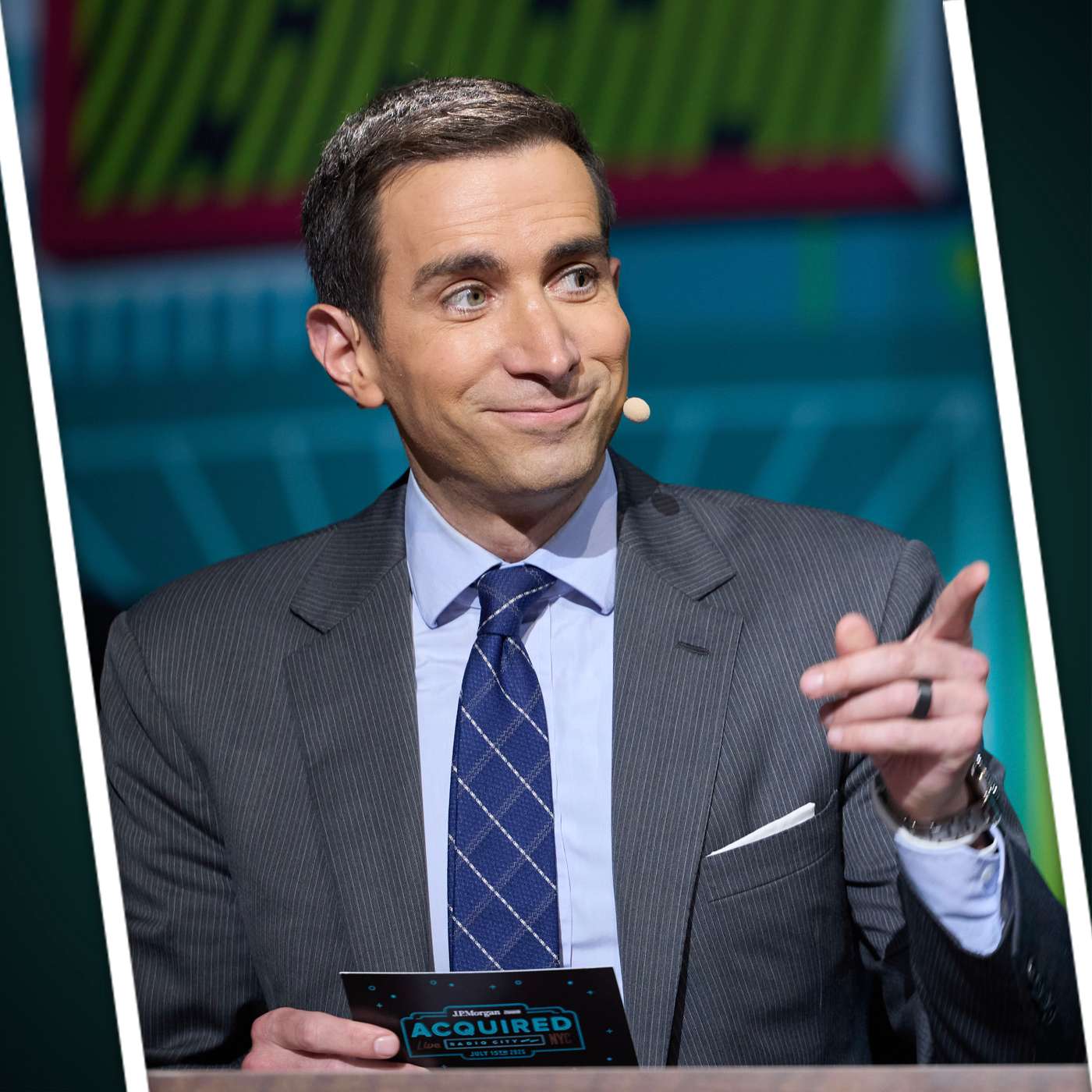
Sorkin prepares for interviews by mapping a "flight path"—knowing the start, end, and key topics. However, he expects "weather" (unexpected answers) to force diversions. This mental model provides structure while allowing the flexibility to listen and react, which is the key to a great interview.
Related Insights
The best interviews aren't about one person dominating. They're like a long tennis rally where both participants hit the ball hard but aim to keep the conversation going, creating a more engaging and insightful exchange for the audience.

To gauge an expert's (human or AI) true depth, go beyond recall-based questions. Pose a complex problem with multiple constraints, like a skeptical audience, high anxiety, and a tight deadline. A genuine expert will synthesize concepts and address all layers of the problem, whereas a novice will give generic advice.
Citing Oprah Winfrey, Rubenstein argues the key to great interviewing is not having the best questions but being a great listener. True listening allows the interviewer to pivot and follow up on unexpected answers, turning a rigid Q&A into a genuine conversation that uncovers far deeper insights than a prepared script ever could.
As expertise develops, one can shift from rigid plans to relying on deep 'programming'—the sum of instincts and experience. This allows for adaptability in high-stakes situations, turning potential disasters into moments of authentic performance that a rehearsed script could never achieve.

To broach a sensitive topic, Andrew Ross Sorkin reads a critical quote from another source. This technique shifts the focus from a personal attack ("I think you...") to a public concern ("Others are saying..."). It forces the interviewee to grapple with an issue they have likely already considered, leading to a more thoughtful response.
For high-level leadership roles, skip hypothetical case studies. Instead, present candidates with your company's actual, current problems. The worst-case scenario is free, high-quality consulting. The best case is finding someone who can not only devise a solution but also implement it, making the interview process far more valuable.

Ineffective interviews try to catch candidates failing. A better approach models a collaborative rally: see how they handle challenging questions and if they can return the ball effectively. The goal is to simulate real-world problem-solving, not just grill them under pressure.
In a tense meeting or interview, focusing on summarizing the other person's points serves a dual purpose. It makes them feel heard, but more importantly, it gives your own nervous system time to settle. This shifts focus outward, reducing internal anxiety and allowing you to respond more calmly and effectively.
Use a four-step framework for high-stakes talks: define your Purpose (your mission), Listen actively, Ask clarifying questions instead of assuming, and determine the Next steps for resolution. This structure keeps you anchored and prevents emotional derailment.

Andrew Ross Sorkin believes the most crucial moment of an interview is the brief, informal interaction just before it officially begins. This is the window to calm a guest's nerves, build rapport, and set a tone that encourages candor, which is more important than the first question asked.