Get your free personalized podcast brief
We scan new podcasts and send you the top 5 insights daily.
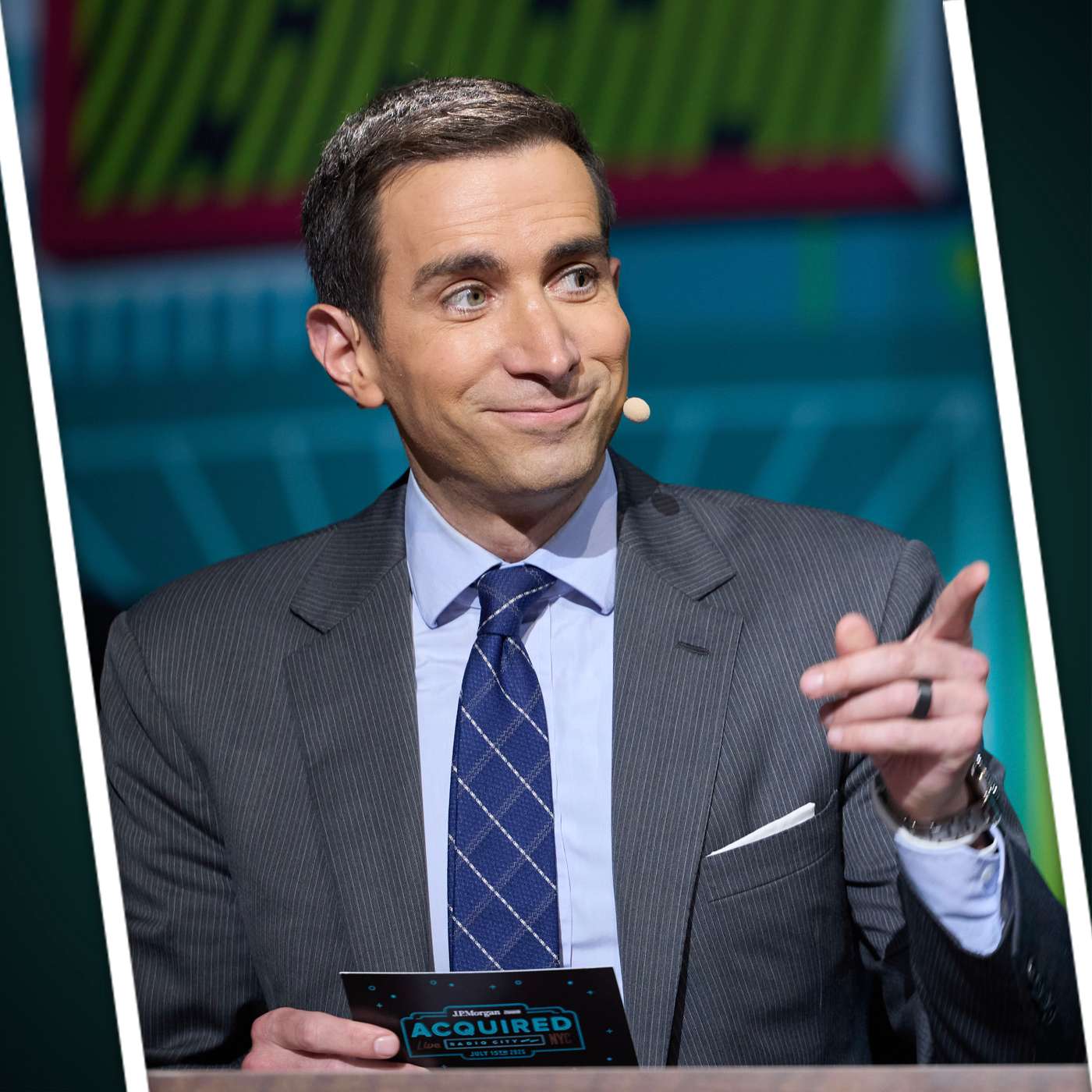
Andrew Ross Sorkin believes the most crucial moment of an interview is the brief, informal interaction just before it officially begins. This is the window to calm a guest's nerves, build rapport, and set a tone that encourages candor, which is more important than the first question asked.
Related Insights
Direct questions in sales or leadership can feel confrontational. Prefacing them with 'I'm curious...' completely changes the dynamic from an interrogation to a collaborative effort to understand. This simple linguistic shift builds trust, encourages openness, and turns transactions into lasting relationships.

The best interviews aren't about one person dominating. They're like a long tennis rally where both participants hit the ball hard but aim to keep the conversation going, creating a more engaging and insightful exchange for the audience.

Sorkin prepares for interviews by mapping a "flight path"—knowing the start, end, and key topics. However, he expects "weather" (unexpected answers) to force diversions. This mental model provides structure while allowing the flexibility to listen and react, which is the key to a great interview.
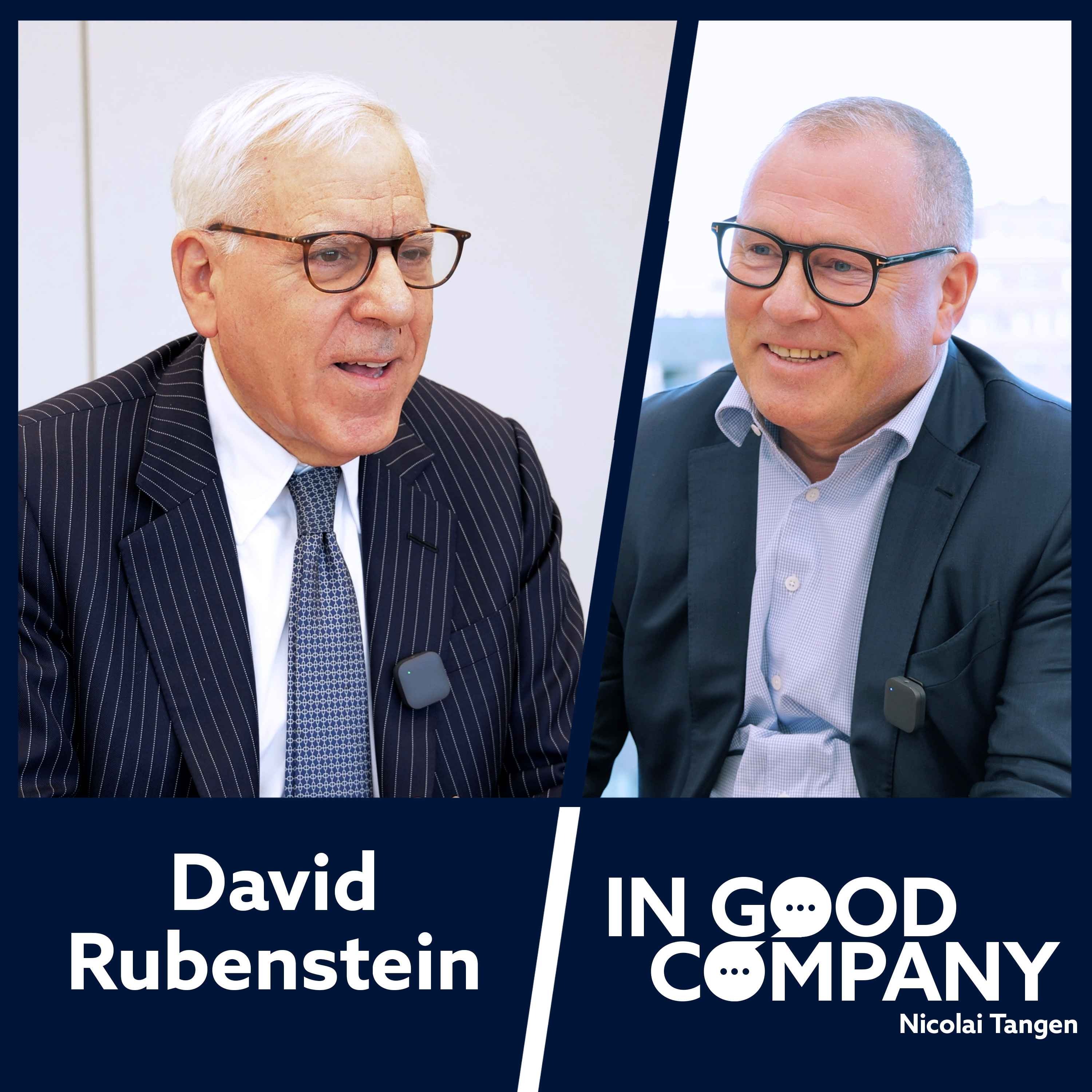
Citing Oprah Winfrey, Rubenstein argues the key to great interviewing is not having the best questions but being a great listener. True listening allows the interviewer to pivot and follow up on unexpected answers, turning a rigid Q&A into a genuine conversation that uncovers far deeper insights than a prepared script ever could.
Genuine rapport isn't built on small talk; it's built by recognizing and addressing the other person's immediate emotional state. To connect, you must first help them with what's on their mind before introducing your own agenda.

Andy Richter's technique for better interviews is to start recording the moment a guest arrives. This captures unguarded conversation before the formal "commercial vessel" of the show begins. Avoiding a stilted intro maintains a framework of real human interaction, leading to more authentic content.

Instead of asking for confirmation on a rumor, Sorkin's method is to build the story almost completely with details from various sources. By the time he asks the company for comment, he presents so many facts that they are incentivized to cooperate and shape the narrative, rather than just deny it.
To broach a sensitive topic, Andrew Ross Sorkin reads a critical quote from another source. This technique shifts the focus from a personal attack ("I think you...") to a public concern ("Others are saying..."). It forces the interviewee to grapple with an issue they have likely already considered, leading to a more thoughtful response.
Ineffective interviews try to catch candidates failing. A better approach models a collaborative rally: see how they handle challenging questions and if they can return the ball effectively. The goal is to simulate real-world problem-solving, not just grill them under pressure.
A host or interviewer can never blame a difficult guest for a bad interview. They must take full responsibility for the outcome, even if it means they "picked the wrong elephant." The burden of creating an engaging conversation always falls on the host.