Get your free personalized podcast brief
We scan new podcasts and send you the top 5 insights daily.
Elf's CEO believes it's immoral to charge consumers inflated prices for beauty products when high-quality, affordable alternatives are possible. This reframes the "dupe" strategy from a competitive tactic to a consumer-centric mission, especially for budget-conscious demographics.

Related Insights
Early on, Mary Kay's company sold individual items from its five-part skincare set. This led to poor results and negative word-of-mouth. They stopped this practice, prioritizing the customer's full experience and the product's efficacy over easy, short-term revenue, thus protecting the brand's reputation.
![Mary Kay Ash: The Greatest Saleswoman In History [Outliers] thumbnail](https://megaphone.imgix.net/podcasts/e183b016-cec7-11f0-90ea-27c38ce45de8/image/2d94065a7777f6297ba9350dd7be6b66.png?ixlib=rails-4.3.1&max-w=3000&max-h=3000&fit=crop&auto=format,compress)
Elf Beauty's CEO, Tarang Amin, reframes copying expensive prestige products ('dupes') as a moral duty. He argues it's immoral to charge consumers excessively for products that can be made with equal or better quality for a fraction of the price, especially when many consumers live paycheck to paycheck.
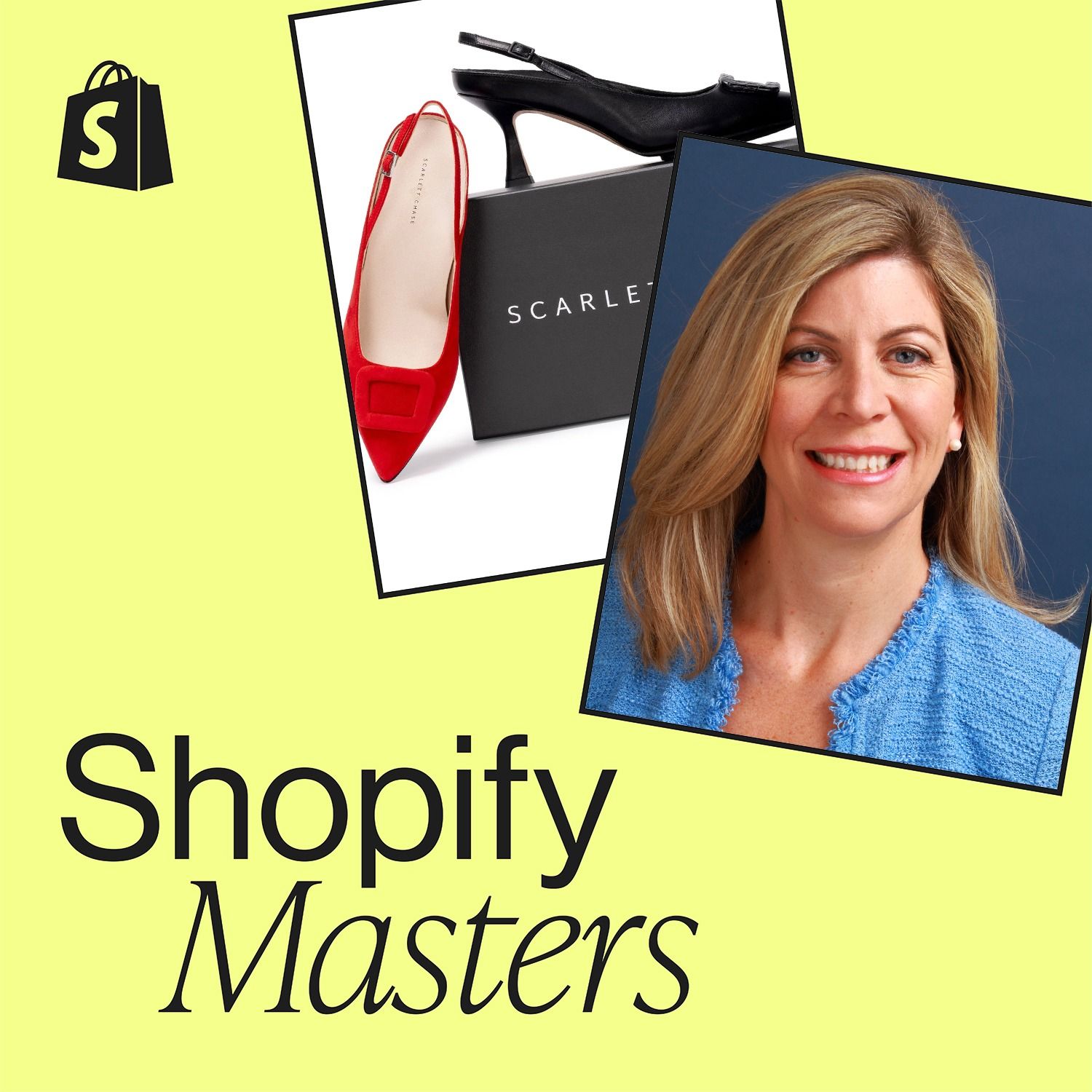
The founder reconciles the high price of her luxury shoes by positioning them as a solution that removes a major distraction for successful women. By eliminating foot pain, the shoes allow these high-impact individuals to focus their energy on more important work, making the product an investment in their overall effectiveness.
Lauder realized women rarely bought perfume, seeing it as a scandalous gift received from men. She sidestepped this cultural barrier by creating "Youth Dew," a bath oil that doubled as a perfume. This genius reframing gave women permission to buy a luxury for themselves, creating an entirely new market.

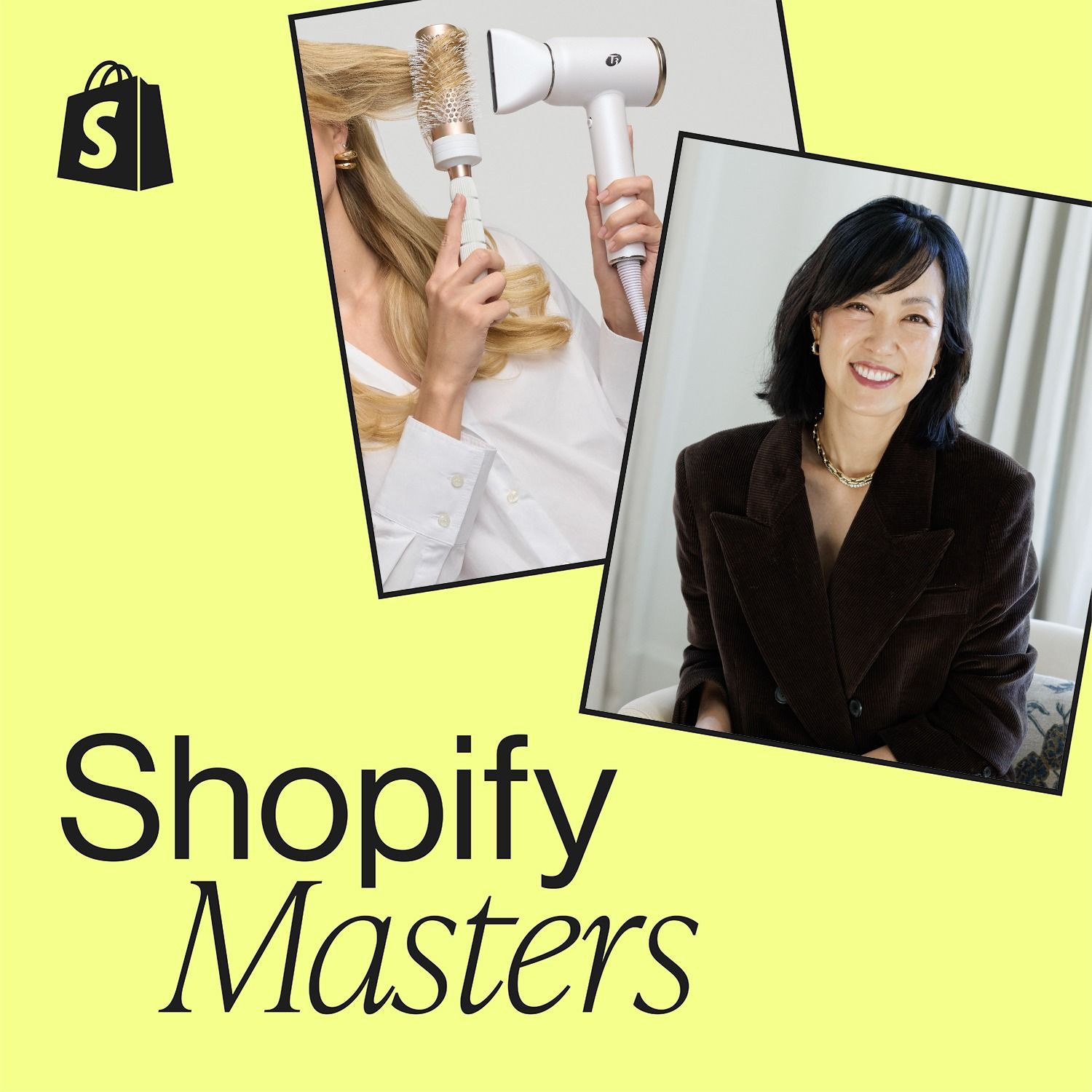
T3 redefined the hair tool category by moving its products from the home appliance section to the beauty floor. By insisting on placement next to high-end skincare and cosmetics in retailers like Nordstrom, they changed consumer perception, justified a premium price, and created an entirely new market segment.
Elf's CEO asserts the company is in the "entertainment industry," not beauty. This mindset shifts their marketing focus from selling products to delighting their community. It justifies tactics like a Twitch channel or airdropping care packages, which build brand love over direct ROI.
Elf maintains low prices by embedding its own quality control and lean manufacturing teams within partner supplier facilities. This hybrid model gives them a high degree of control over cost and speed, allowing them to sell products like a $3 lipstick profitably, even amidst inflation and tariffs.
The era of simply 'slapping a celebrity face' on a product is over. Modern consumers demand authenticity. Successful brands like Fenty and Rare Beauty thrive because their founders are deeply involved, knowledgeable about the products, and genuinely connected to a larger mission, such as inclusivity or mental health.

David Aaker reframes social purpose not just as philanthropy but as a strategic tool to inject energy into low-interest product categories. He cites Dove's "Real Beauty" campaign, which attached the brand to an energizing social program and grew the business from $2.6B to $6.5B as a result.

Facing significant tariff costs, Elf chose radical transparency over a surprise price increase. They announced the change three months in advance on social media, explaining the external pressures. This honest approach was met with positive community feedback and preserved customer loyalty.