Get your free personalized podcast brief
We scan new podcasts and send you the top 5 insights daily.
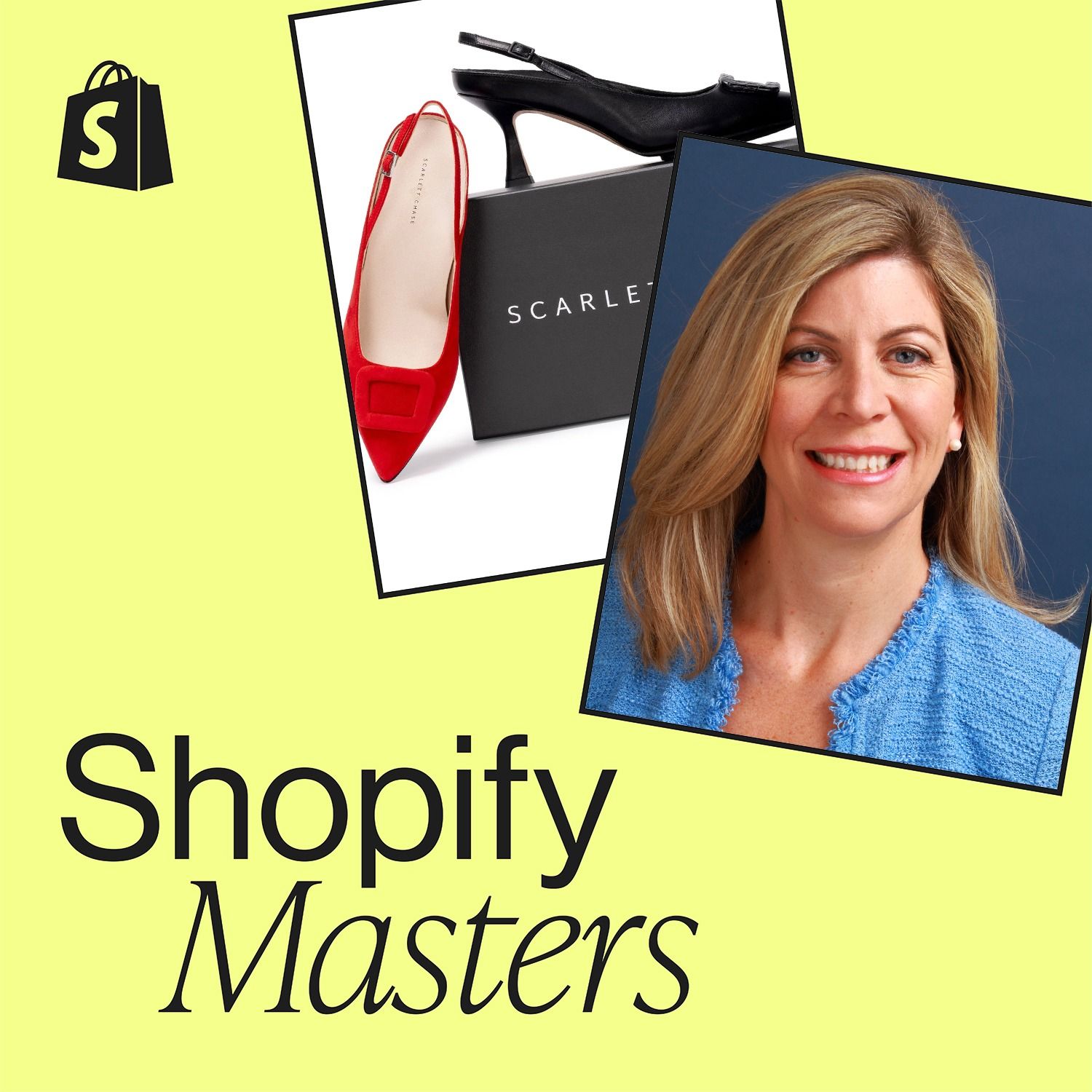
The founder reconciles the high price of her luxury shoes by positioning them as a solution that removes a major distraction for successful women. By eliminating foot pain, the shoes allow these high-impact individuals to focus their energy on more important work, making the product an investment in their overall effectiveness.
Related Insights
A unique downside of a genuinely great product is that glowing testimonials can set impossibly high expectations. The founder worries that new customers, hearing the shoes are 'amazing,' might feel let down if their experience is merely 'great' but not life-changing, a phenomenon she likens to seeing an overhyped movie.
Counterintuitively, adding memory foam under a high heel's heel is ineffective for comfort. The founder of Scarlet Chase discovered the real solution is elevating the forefoot. This engineering changes the shoe's pitch, shifting the wearer's weight off the ball of the foot, which is the primary source of pain.
The expectation set by a high price can literally change how a consumer experiences a product. In one study, the same wine was rated 70% better when participants believed it was expensive. This isn't just perception; it's a self-fulfilling prophecy where price dictates the perceived quality of the experience itself.

Instead of lowering prices to capture a wider audience, Scarlet Chase embraces a high-end niche. The founder's philosophy is that diluting the product's quality for broader appeal is a mistake. The strategy is to deliver exceptional value to a focused group of customers who can afford and appreciate the investment.
For luxury brands, raising prices is a strategic tool to enhance brand perception. Unlike mass-market goods where high prices deter buyers, in luxury, price hikes increase desirability and signal exclusivity. This reinforces the brand's elite status and makes it more coveted.
For luxury goods or services, pricing is a key signal of quality. A price point that is incongruent with luxury branding can make potential buyers skeptical and actually reduce close rates. Raising prices can increase desire and conversions by aligning perception with promise.

Innovating in a traditional sector requires a two-front battle. While educating consumers is an expected challenge, the founder of Scarlet Chase found an equal, if not greater, hurdle in convincing her high-end Italian manufacturing partners to integrate 'bulky' orthotics and rubber soles into their traditional luxury shoemaking process.
To make a high price seem reasonable, anchor it against a different, more expensive component of the customer's total budget that delivers less long-term value. For example, compare a $100k entertainment package to a $300k flower budget, arguing budget should align with memorability.
For sophisticated consumers, branding based on unsubstantiated luxury materials can create skepticism. A marketing message focused on scientific proof, tangible benefits, and performance can be more compelling and build greater trust, especially for a high-price-point product.

Move beyond listing features and benefits. The most powerful brands connect with customers by selling the emotional result of using the product. For example, Swishables sells 'confidence' for a meeting after coffee, not just 'liquid mouthwash.' This emotional connection is the ultimate brand moat.
