Get your free personalized podcast brief
We scan new podcasts and send you the top 5 insights daily.
Lauder realized women rarely bought perfume, seeing it as a scandalous gift received from men. She sidestepped this cultural barrier by creating "Youth Dew," a bath oil that doubled as a perfume. This genius reframing gave women permission to buy a luxury for themselves, creating an entirely new market.

Related Insights
Marketers often mistake strategic positioning (finding a niche) for true category creation. A new category introduces a solution to a problem customers haven't yet articulated, requiring education on why they need a thing they've never bought before.

A coach's criticism about athletes training barefoot—a threat to a shoe company—sparked an "aha moment." Instead of dismissing it, Nike innovated by creating a shoe that replicated the benefits of barefoot running, thereby capturing the user's intent and creating a new product category.

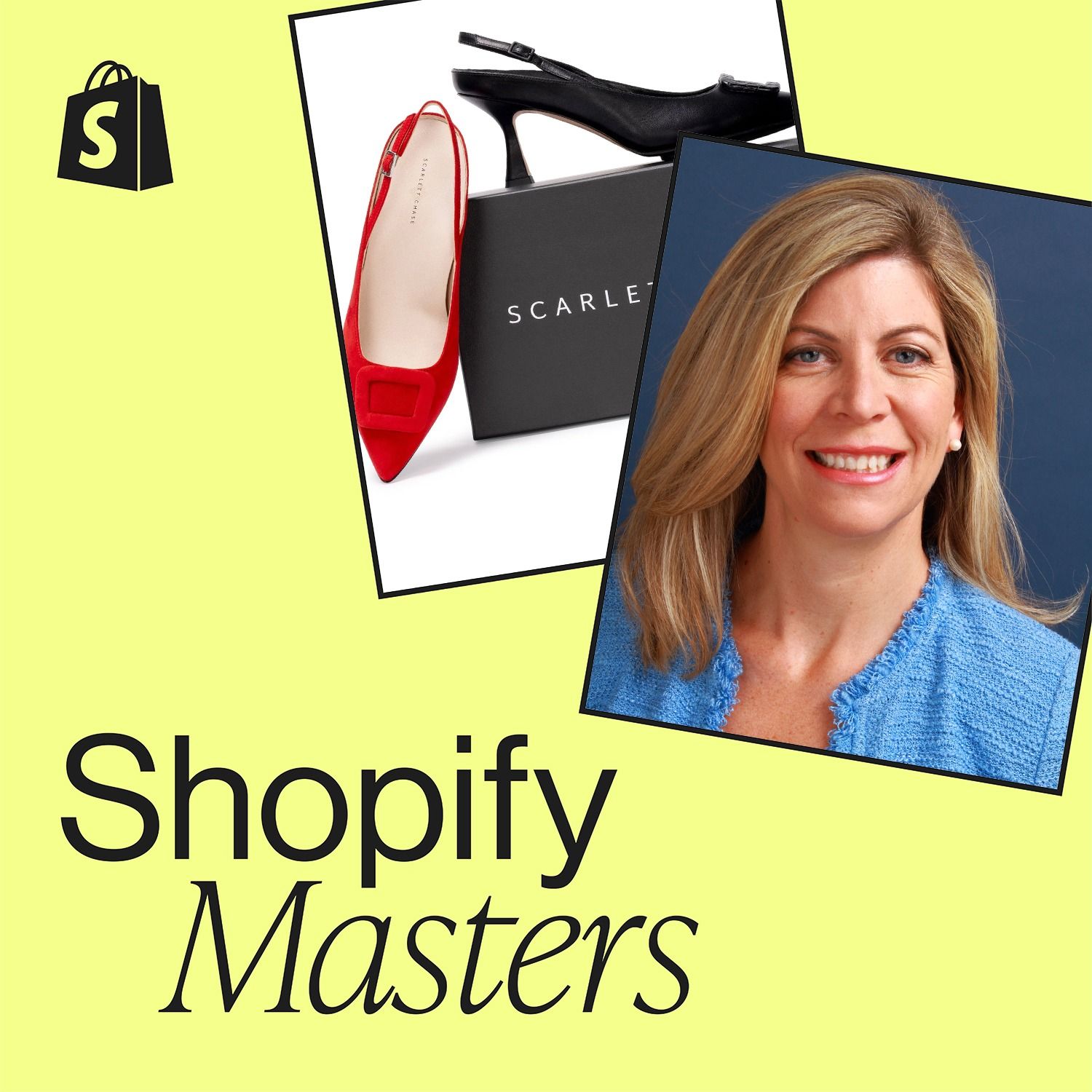
The founder reconciles the high price of her luxury shoes by positioning them as a solution that removes a major distraction for successful women. By eliminating foot pain, the shoes allow these high-impact individuals to focus their energy on more important work, making the product an investment in their overall effectiveness.
The founder of Billy Bob's Teeth, a gag gift, reframed his product as a "permission slip for people to be silly." This strategy gives a trivial product a deeper, more compelling purpose by connecting it to a fundamental human desire. This elevates the brand and makes the product more than just a novelty item.

A study found that ambient noise significantly slows cognitive development. This insight can be used to rebrand a commodity like earplugs. By positioning them as "Study Ears"—a tool for better memory and focus, not just noise blocking—you can create an entirely new product category with strong marketing hooks.
Companies like Bath & Body Works are moving beyond visual marketing by infusing physical spaces with signature scents. This "scent-a-gration" leverages the powerful link between smell and memory to create deep, lasting brand associations in high-traffic areas.

Product inspiration can come from unexpected places. On Running's CPO points to the perfume industry's ability to sell an intangible feeling through packaging and branding as a key lesson in creating an emotional connection with consumers, even for highly functional products like running shoes.

Humans lack the precise vocabulary to describe abstract senses like smell. Google's AI for Estée Lauder overcame this by building a structured framework connecting ingredients to technical categories and then linking them to evocative, emotional descriptions, making the abstract understandable and marketable.
Move beyond listing features and benefits. The most powerful brands connect with customers by selling the emotional result of using the product. For example, Swishables sells 'confidence' for a meeting after coffee, not just 'liquid mouthwash.' This emotional connection is the ultimate brand moat.

An insight that men bought carpets based on durability was wrong. Women were the primary buyers, and their top criterion was color. By redesigning the retail space to emulate a makeup counter—with softer lighting, curves, and lifestyle imagery—sales skyrocketed 350% in six weeks.
