Get your free personalized podcast brief
We scan new podcasts and send you the top 5 insights daily.
Elf maintains low prices by embedding its own quality control and lean manufacturing teams within partner supplier facilities. This hybrid model gives them a high degree of control over cost and speed, allowing them to sell products like a $3 lipstick profitably, even amidst inflation and tariffs.

Related Insights
By developing and owning the exact specifications for their fabrics—from the yarn to the finish—Faherty can move production between different manufacturers. This de-risks their supply chain from tariffs and geopolitical issues, as the "makers become less important."

Elf Beauty's CEO, Tarang Amin, reframes copying expensive prestige products ('dupes') as a moral duty. He argues it's immoral to charge consumers excessively for products that can be made with equal or better quality for a fraction of the price, especially when many consumers live paycheck to paycheck.
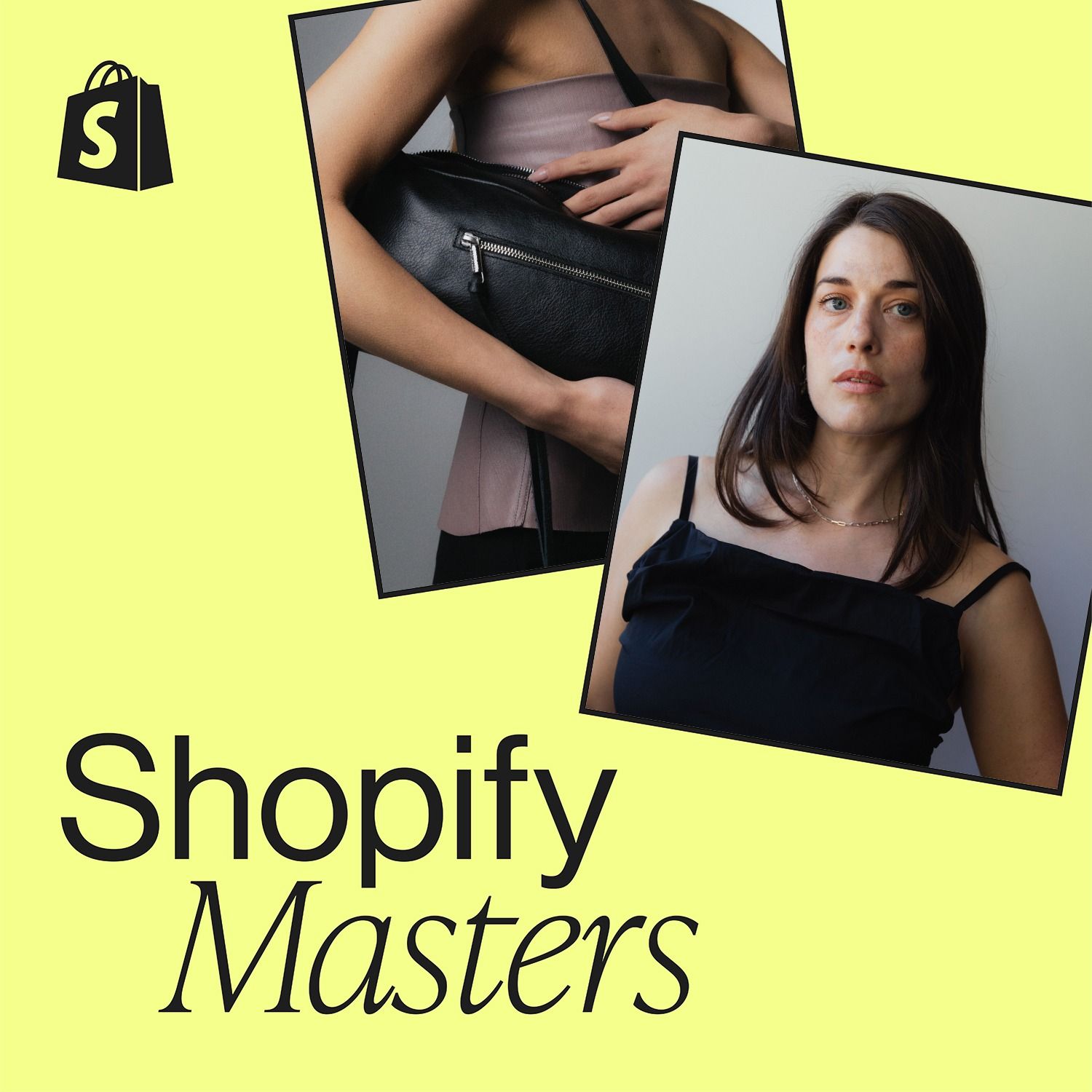
By eliminating seasonal colors to focus only on her bestseller—black—handbag brand Sonya Lee could place larger bulk leather orders. This allowed her to bypass wholesalers and source directly from a premium tannery, dramatically improving margins, ensuring material traceability, and making capital more efficient.
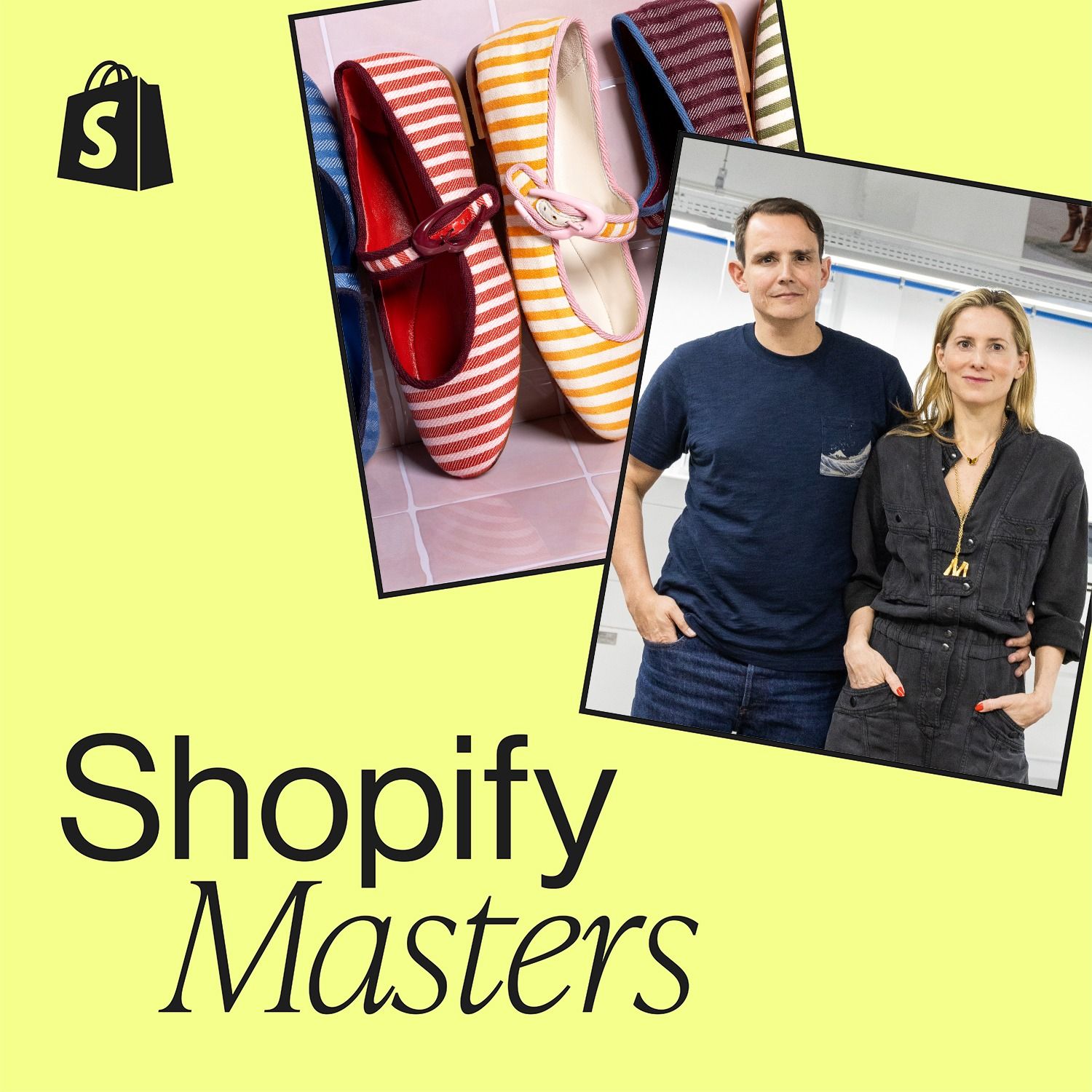
For D2C fashion brands, the inability of third-party suppliers to quickly fulfill reorders on trending products is a key trigger for vertical integration. Larroudé's co-founder realized the cost of one large factory order was equivalent to buying the machinery himself, enabling them to meet demand in weeks, not months.
Instead of seeking synergies by integrating acquired companies like Hailey Bieber's Rhode, Elf Beauty keeps the founder and their team in place. The goal is to provide resources like sales support and R&D to help the founder's original vision scale faster, avoiding common M&A pitfalls.
Sonya Lee targets educated consumers skeptical of traditional luxury markups. By sourcing directly from a certified tannery, the brand can prove its leather's origin—from a specific farm to the final product. This radical transparency builds trust, justifies its price point, and differentiates it from competitors who obscure their supply chains.
Elf's CEO believes it's immoral to charge consumers inflated prices for beauty products when high-quality, affordable alternatives are possible. This reframes the "dupe" strategy from a competitive tactic to a consumer-centric mission, especially for budget-conscious demographics.
Costco's business model is unique: it aims to break even on merchandise sales. This allows it to offer the lowest possible prices, building immense customer loyalty. The company's entire operating profit is derived from its annual membership fees, which represent only 2% of total revenue.

Starting with drop shipping proved the concept but offered unsustainable margins. The pivot to in-house apparel manufacturing unlocked significantly higher profits (from a £2 margin to £15). This allowed them to reinvest capital back into the business, fueling actual growth.
Facing significant tariff costs, Elf chose radical transparency over a surprise price increase. They announced the change three months in advance on social media, explaining the external pressures. This honest approach was met with positive community feedback and preserved customer loyalty.