Get your free personalized podcast brief
We scan new podcasts and send you the top 5 insights daily.
Citing a 1972 study by Murray S. Davis, the hosts argue that the key to capturing attention isn't just surprise, but actively violating an audience's core beliefs. For example, delivering a poem instead of a speech works because it denies the assumption of a traditional format, forcing the brain off autopilot.
![What is Marketing? Part 2: Marketing is Poetry with Kory Marchisotto [Uncensored Renegades] thumbnail](https://img.transistorcdn.com/VIH3Rn5ET8-eHQxgBGNydnhXL95pc10_Kq7qTpjezuc/rs:fill:0:0:1/w:1400/h:1400/q:60/mb:500000/aHR0cHM6Ly9pbWct/dXBsb2FkLXByb2R1/Y3Rpb24udHJhbnNp/c3Rvci5mbS9zaG93/LzQ3MzEvMTU3MDAz/MjQ3NC1hcnR3b3Jr/LmpwZw.jpg)
Related Insights
The fundamental flaw in most curricula is assuming student attention is guaranteed. Unlike a teacher, a YouTuber must earn every second of viewership. To truly educate, one must first create a visceral, attention-grabbing hook—like using an MRI to smash a watermelon—before using that captured attention to teach the underlying principle.

The word "presentation" permits crutches like teleprompters. Viewing a talk as a "performance" acknowledges the audience, demands rigorous preparation, and shifts the goal toward being entertaining and engaging, not just informative.

Play on viewers' expectations by setting up a video to look like a standard format, such as a green screen reaction. Then, break the illusion by interacting with the "background" element. This pattern interrupt grabs attention and makes the content more memorable and engaging.

Instead of a traditional story structure, present the most exciting outcome first. This immediately creates either allies who want to believe or skeptics who want to challenge you. Both states are preferable to apathy, as an engaged audience is a listening one.

Beginning with "where was I and what was I doing?" triggers an evolutionary response in the listener's brain, releasing five key chemicals (like oxytocin and dopamine). This immediately makes the audience attentive, trusting, and better able to retain the information that follows.
Based on a 1972 research paper, the art of being 'interesting' isn't just about surprise; it's about strategically denying a foundational belief held by your audience. By identifying what people think they know and then inverting it, you command attention and create a powerful, memorable emotional response.
![How to win a Cannes Lion with Kory Marchisotto [Uncensored Renegades] thumbnail](https://img.transistorcdn.com/YeagE6wGFjmLU0G1nRAsFXLsTUorcEiaozdiiphJT5E/rs:fill:0:0:1/w:1400/h:1400/q:60/mb:500000/aHR0cHM6Ly9pbWct/dXBsb2FkLXByb2R1/Y3Rpb24udHJhbnNp/c3Rvci5mbS9mYjc2/NjEzMzcyY2E2ZmY5/NGNhMTNlYjk0NTVi/YzlmYi5wbmc.jpg)
Mentalist Oz Perlman landed more airtime on CNBC than any CEO by tailoring his performance to the network's world: stocks, bonds, and markets. By making his craft relevant to their audience's interests, he became indispensable. To capture attention, obsessively focus on the other person's context and needs.

A story's core mechanic for engagement is not just emotion, but the constant betrayal of the audience's expectations. People are drawn to narratives, jokes, and songs precisely because they want their predictions about what happens next to be wrong. This element of surprise is what makes a story satisfying and compels an audience to continue.
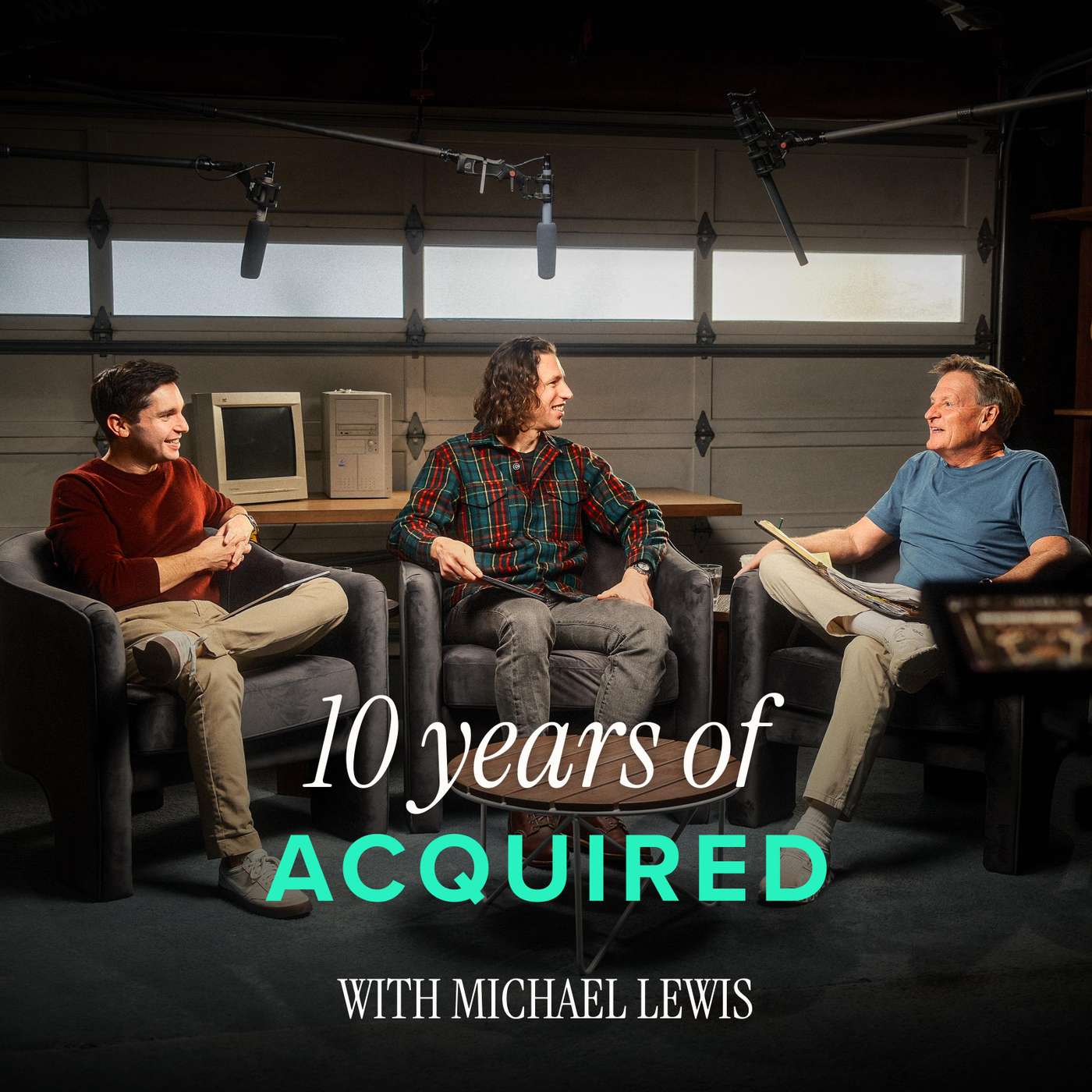
Acquired's hosts intentionally stopped sharing research to create authentic on-air reactions. This improvisational element adds emotional depth and surprise, signaling to the audience what's important and making complex topics more engaging than a scripted delivery ever could.
The book title "Make Brilliant Work" is forgettable, while "Steal Like an Artist" is compelling because it contains a conflict—artists are supposed to be original, not thieves. This principle of juxtaposition can be applied to any writing by introducing opposing ideas to create immediate tension and capture attention.
