Get your free personalized podcast brief
We scan new podcasts and send you the top 5 insights daily.
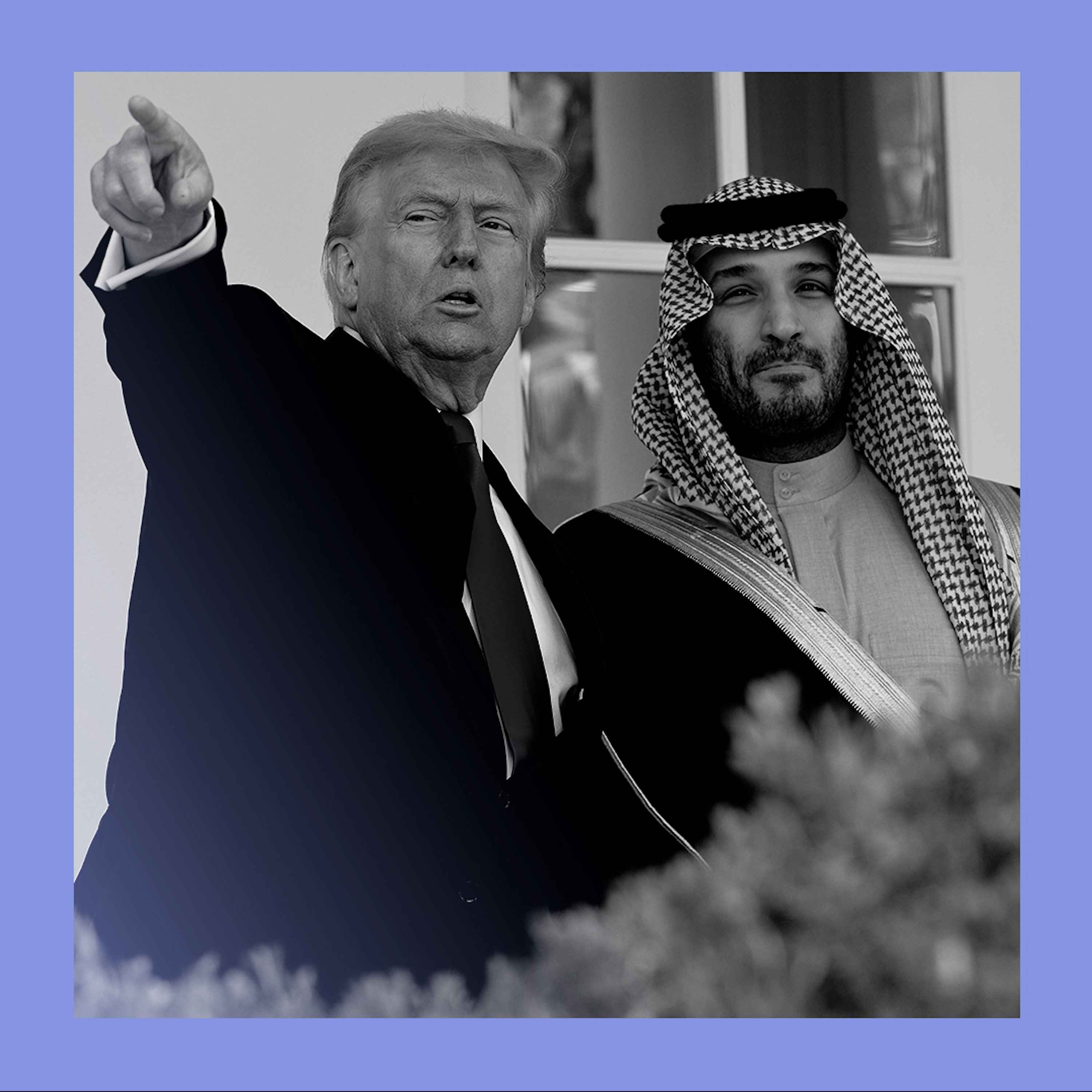
A warm reception for Saudi Crown Prince Mohammed bin Salman marked his return from international isolation following the 2018 murder of Jamal Khashoggi. Trump publicly downplaying the incident helped burnish MBS's reputation and re-establish him as a major leader on the world stage after a period of being a 'pariah'.
Related Insights
A key, often overlooked factor in Saudi Arabia's transformation is the return of its citizens educated at top Western universities like Stanford and MIT. This repatriated talent pool, driven by a sense of duty and opportunity, forms the skilled workforce needed to build the nation's digital future.
Comedians who build their brands on being 'free speech warriors' and criticizing censorship reveal their hypocrisy when they accept large payments from Saudi Arabia under contracts that explicitly forbid criticizing the kingdom. Their principles are abandoned for financial gain, exposing their activism as performative.

Trump's erratic approach isn't random; it's a strategy to create chaos and uncertainty. This keeps adversaries off-balance, allowing him to exploit openings that emerge, much like a disruptive CEO. He is comfortable with instability and uses it as a tool for negotiation and advantage.

Rather than taking a "holier than thou" stance and refusing to engage with governments that have committed atrocities, it is more effective to build bridges. Cooperation invites them into the 21st century and aligns them with your values, whereas isolationism is counterproductive.

Unlike predecessors who acted as "Israel's lawyer," Trump's administration applied coercive pressure to both Israeli and Hamas leadership. According to diplomats, this impartial approach was the key to brokering a peace deal where past efforts failed.
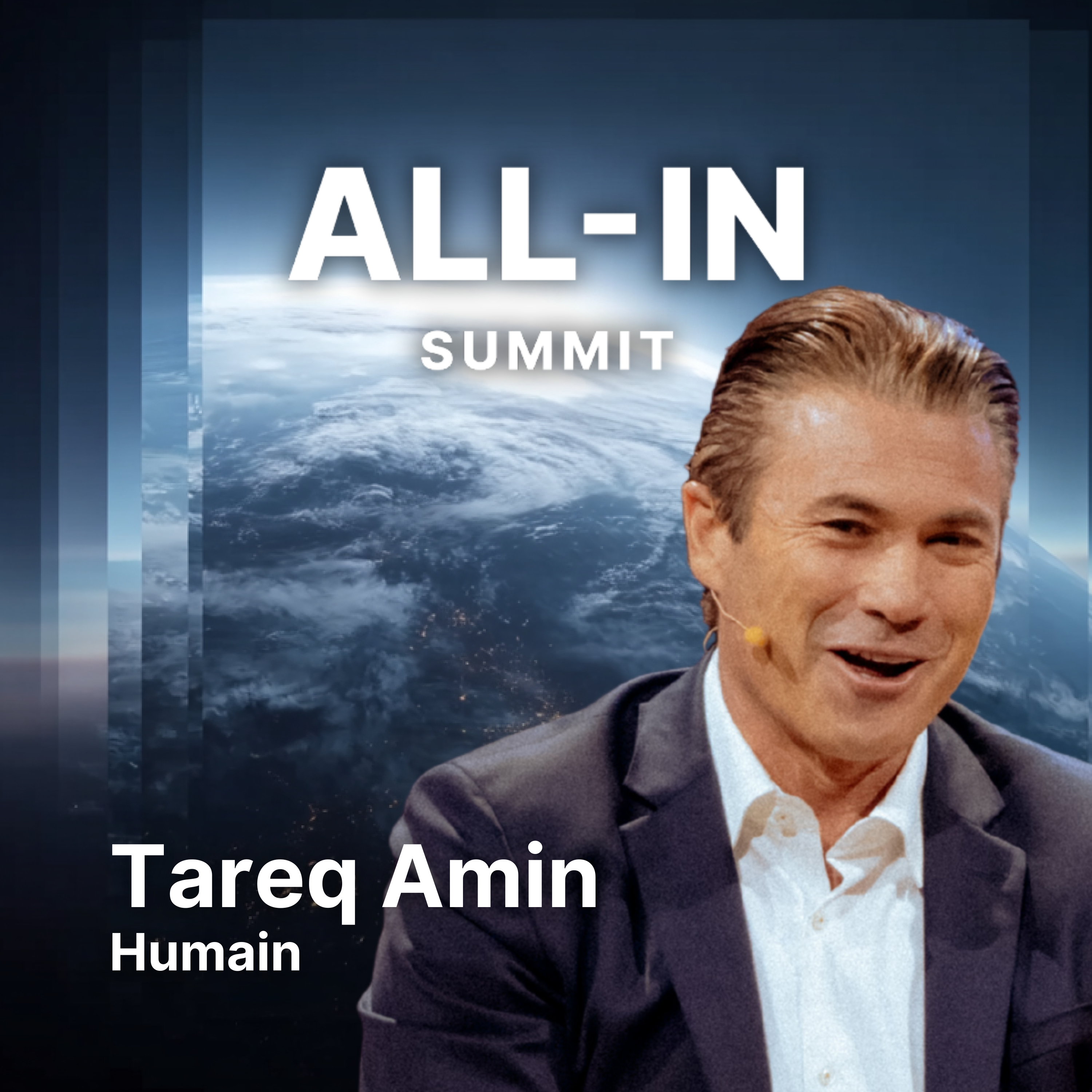
Beyond the US and China, Saudi Arabia is positioned to become the third-largest AI infrastructure country. The national strategy leverages its abundance of land and power not just for oil exports, but to lead the world in "energy exports via tokens," effectively selling compute power globally.
The meeting between Donald Trump and Zoran Mamdani is analyzed not as a simple photo-op, but as a masterful, mutually beneficial political move. It allowed both to appear statesmanlike and gracious, transcending partisan lines to appeal to a broader audience. It demonstrates how surprising collaborations can be a powerful strategy for shaping public perception.

The US decision to sell its most advanced fighter jets to Saudi Arabia marks a significant shift in regional military dynamics. This move worries Israel, which relies on its technological military edge to maintain its status as a regional power, signaling a potential realignment of power in the Middle East.
A former National Security Council staffer observed that President Trump's decisions often seemed counterintuitive in the moment but were later revealed as brilliant strategic "chess moves." This pattern built a high degree of trust among staff, enabling them to execute his vision without always understanding the immediate rationale.

Proponents of engaging with regimes like Saudi Arabia often pivot from specific moral criticisms (e.g., murdering journalists) to comparative flaws in Western democracies (e.g., gun violence). This "whataboutism" is a rhetorical strategy to reframe the debate and justify actions by implying moral equivalence.