Get your free personalized podcast brief
We scan new podcasts and send you the top 5 insights daily.
The concept of a 'higher power' in 12-step programs is often misunderstood as being strictly religious. Its primary psychological function is to break the addict's ego and narcissistic belief that they are in control. As one psychiatrist noted, the higher power can be anything—'It just can't be you.'

Related Insights
The neuroscience of habit-breaking is paradoxical. While most habits require top-down prefrontal cortex control, overcoming deep-seated addictions is often easier when individuals "give over" control to a higher power, offloading the immense cognitive burden of self-restraint.

Surrendering your will to a purpose beyond yourself, similar to 12-step programs, is a powerful tool for overcoming performance anxiety. This act of letting go is especially difficult for talented, self-reliant individuals but is key to trading personal stress for universal strength.

We cannot generate the necessary self-compassion to recover from our mistakes alone. We require an external, trusted person to act as a confessor who can acknowledge our faults while affirming our good intentions, a function historically served by religion.
The initial opening to a spiritually-guided life is often met with intense fear. This fear stems not just from the unknown, but from the ego's resistance to its own dissolution. An invitation to 'go to church' can feel like a fundamental threat to your established identity.

Individuals who maintain the longest recovery from addiction often commit to telling the truth in all matters, not just about their substance use. They see any small lie as the "first breach in the dam," compromising the psychological integrity required to prevent a relapse.

The "disease model" of addiction is flawed because it removes personal agency. Addiction is more accurately understood as a behavioral coping mechanism to numb the pain of unresolved trauma. Healing requires addressing the root cause of the pain, not just treating the addiction as a brain defect.

Addiction isn't defined by the pursuit of pleasure. It's the point at which a behavior, which may have started for rational reasons, hijacks the brain’s reward pathway and becomes compulsive. The defining characteristic is the inability to stop even when the behavior no longer provides pleasure and begins causing negative consequences.
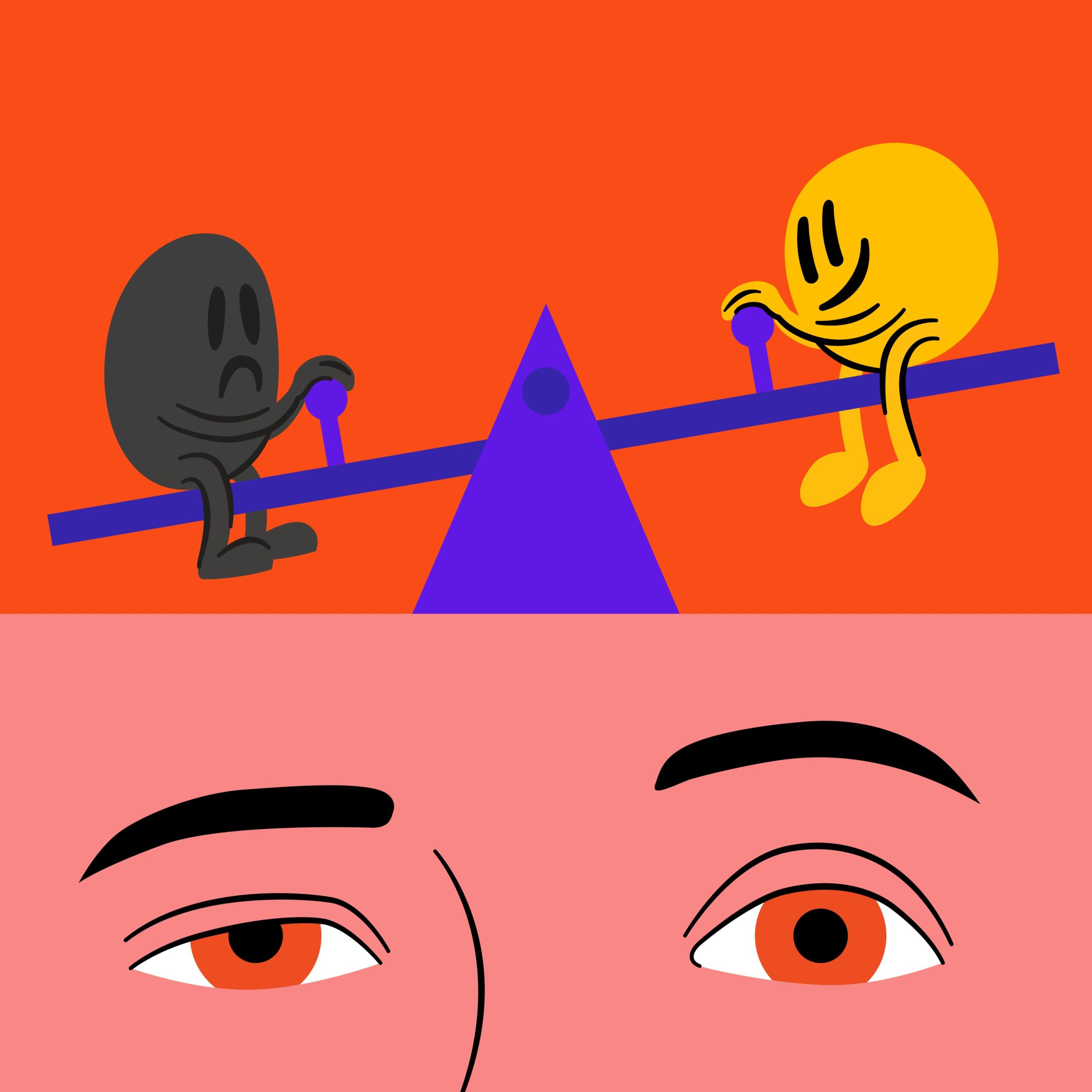
How people tell their life story is a roadmap for their future. Those who consistently cast themselves as victims of circumstance are unlikely to recover from addiction because the narrative prevents them from acknowledging their own contribution to their problems, which is necessary for change.

Rather than viewing addiction as a simple vice, it can be understood as a desperate attempt to find transcendence or a temporary refuge from a painful reality. This perspective, shared by a Native elder, recasts addiction as a spiritual quest gone awry, rooted in a need for a different state of being.

Willpower is an exhaustible resource. A more effective strategy is "self-binding," where you create literal and metacognitive barriers between yourself and your drug of choice. This friction (e.g., deleting an app) slows you down, giving you the critical time needed to surf a craving without acting on it.