Get your free personalized podcast brief
We scan new podcasts and send you the top 5 insights daily.
The neuroscience of habit-breaking is paradoxical. While most habits require top-down prefrontal cortex control, overcoming deep-seated addictions is often easier when individuals "give over" control to a higher power, offloading the immense cognitive burden of self-restraint.

Related Insights
Surrendering your will to a purpose beyond yourself, similar to 12-step programs, is a powerful tool for overcoming performance anxiety. This act of letting go is especially difficult for talented, self-reliant individuals but is key to trading personal stress for universal strength.

A key brain region for habits, the dorsolateral striatum, is most active at the very beginning and very end of a habitual behavior, not during the action itself. This "task bracketing" creates a strong neural signature that makes the habit more automatic and less dependent on context over time.

True recovery requires identifying and removing precursor behaviors that, while not the addiction itself, reliably trigger overwhelming cravings. For a sports gambling addict, this meant cutting out all sports media—not just betting apps—to redesign his environment for success.

Success is often viewed as a process of addition—new strategies, more habits. However, the most transformative action is often subtraction. Removing a single, significant negative element that drains energy and focus, like alcohol, unlocks far more potential than any new positive addition could.

Addiction isn't defined by the pursuit of pleasure. It's the point at which a behavior, which may have started for rational reasons, hijacks the brain’s reward pathway and becomes compulsive. The defining characteristic is the inability to stop even when the behavior no longer provides pleasure and begins causing negative consequences.
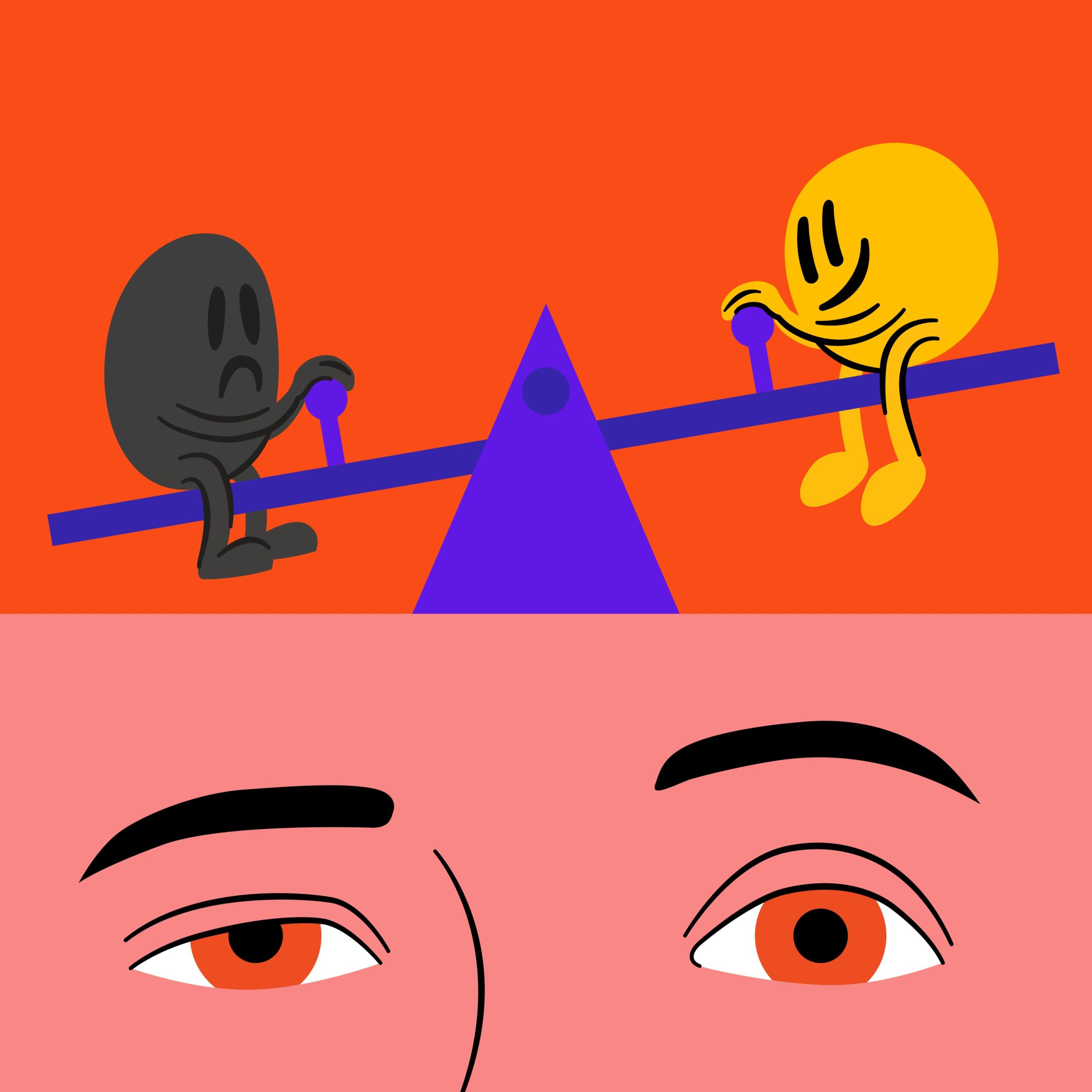
Instead of trying to suppress a bad habit, the key is to perform a positive, easy habit immediately after the unwanted behavior occurs. This leverages neuroplasticity by linking the trigger for the bad habit to a new, positive outcome, effectively rewriting the neural script over time.
Instead of focusing on the immediate gratification of an addictive behavior, use logic to forecast its ultimate conclusion. By "playing the tape out," you force yourself to confront the inevitable negative outcome—be it personal ruin, health failure, or relationship destruction—making the initial impulse less appealing.

When trying to maintain discipline, such as with diet, it's easier to abstain completely than to moderate. Having one drink or one cookie lowers inhibitions, making it harder to stop. Establishing a "bright line" rule of zero is psychologically simpler and more effective than a rule of "just one."

The first step to overcoming bad habits is accepting full accountability, rejecting the notion that you're a victim of circumstance or heredity. Pointing to others who have broken similar negative patterns proves it's possible, reframing the challenge as an opportunity to be the first in your lineage to change.

Huberman coined "limbic friction" to describe the mental strain required to overcome internal states of anxiety or fatigue to perform a task. It's the activation energy needed to start a behavior, and managing it is more critical than sheer willpower for building habits.