Get your free personalized podcast brief
We scan new podcasts and send you the top 5 insights daily.
Rather than viewing addiction as a simple vice, it can be understood as a desperate attempt to find transcendence or a temporary refuge from a painful reality. This perspective, shared by a Native elder, recasts addiction as a spiritual quest gone awry, rooted in a need for a different state of being.

Related Insights
Many are addicted to seeking LAVA (Love, Approval, Validation, Acceptance) from others, leading to self-abandonment. True recovery requires a profound shift: giving up this single addictive pursuit of external validation in order to reclaim everything else in your life.

Modern society turns normal behaviors like eating or gaming into potent drugs by manipulating four factors: making them infinitely available (quantity/access), more intense (potency), and constantly new (novelty). This framework explains how behavioral addictions are engineered, hijacking the brain’s reward pathways just like chemical substances.
The desire to flaunt wealth isn't always about status; it can be an attempt to heal a deep-seated emotional wound from being 'snubbed' or feeling inadequate in the past. This behavior serves to prove to oneself, and others, that one has overcome a past social or economic scar.

Addiction isn't defined by the pursuit of pleasure. It's the point at which a behavior, which may have started for rational reasons, hijacks the brain’s reward pathway and becomes compulsive. The defining characteristic is the inability to stop even when the behavior no longer provides pleasure and begins causing negative consequences.
Psychiatrist Anna Lemke details her own obsession with romance novels, which began innocently but escalated to needing more graphic content, hiding her reading, and losing interest in family and work. Her story shows how any highly reinforcing behavior, not just illicit drugs, can become a true addiction.
A guest with a decades-long gambling problem consistently rejects the 'addict' label. He instead refers to his compulsion as his 'action' or 'entertainment.' This psychological reframing allows him to perceive the destructive habit as a chosen lifestyle rather than a sickness he can't control.

Humans can endure immense suffering, misery, and ugliness, but find boredom intolerable. This powerful aversion is an underestimated catalyst for major historical events, social movements, and even revolutions, as people seek excitement and a sense of purpose over monotony.

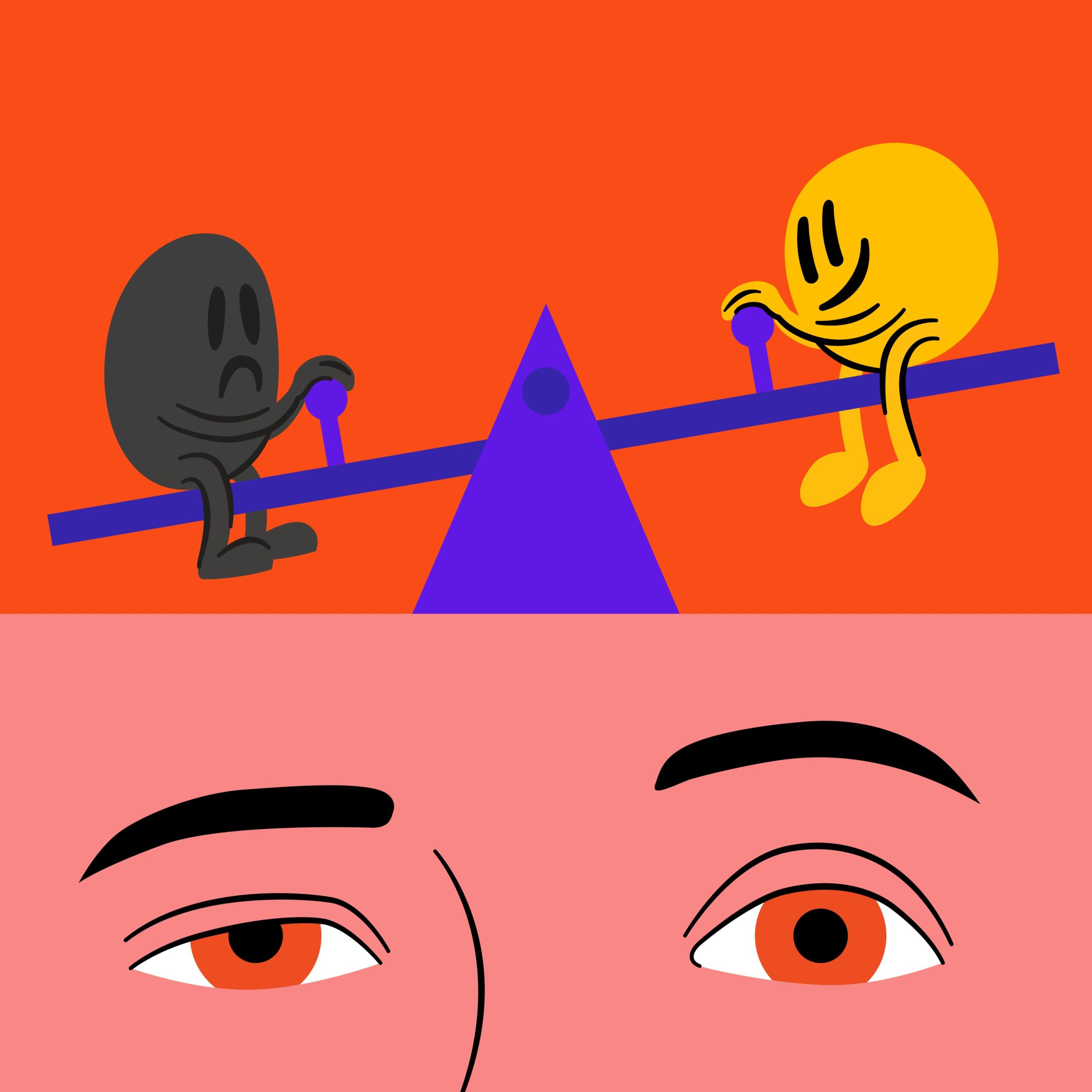
Constantly bombarding our reward pathways causes the brain to permanently weigh down the 'pain' side of its pleasure-pain balance. This alters our baseline mood, or 'hedonic set point,' meaning we eventually need our substance or behavior not to get high, but simply to escape a state of withdrawal and feel normal.
A persistent sense of urgency and desperation is a hallmark of addictive thinking, often creating panic. The antidote isn't to do more faster, but to connect with the eternal and infinite aspects of your being, which calms the system and shows there is no real hurry.
Instead of trying to eliminate suffering in ourselves or others, adopt a "ministry of presence." This means showing up with a loving heart to be with painful emotions as they are, creating a spacious and compassionate inner environment. This transforms our relationship with pain, even if the pain itself doesn't disappear.
