Get your free personalized podcast brief
We scan new podcasts and send you the top 5 insights daily.
OMX Ventures defines its role not as a shadow operator but as a partner helping founders "see around corners." While founders are consumed by short-term execution (the next month or quarter), the VC's responsibility is to maintain a long-term perspective, looking a few years down the road to guide strategic thinking and ensure alignment.

Related Insights
In a hyper-competitive market, a VC's role isn't just to be supportive. Being an enabler who offers feel-good praise while ignoring competitive threats can lead to a 'death spiral.' The best board members are 'founder honest,' providing fact-based, clear-eyed analysis of the competitive landscape to force necessary action.

Alfred Lin's framework for board members is to be supportive 'shock absorbers' during hardships, helping founders pick up the pieces. When the company is succeeding, they become 'sparring partners' to challenge founders, prevent complacency, and push the business to the next level.
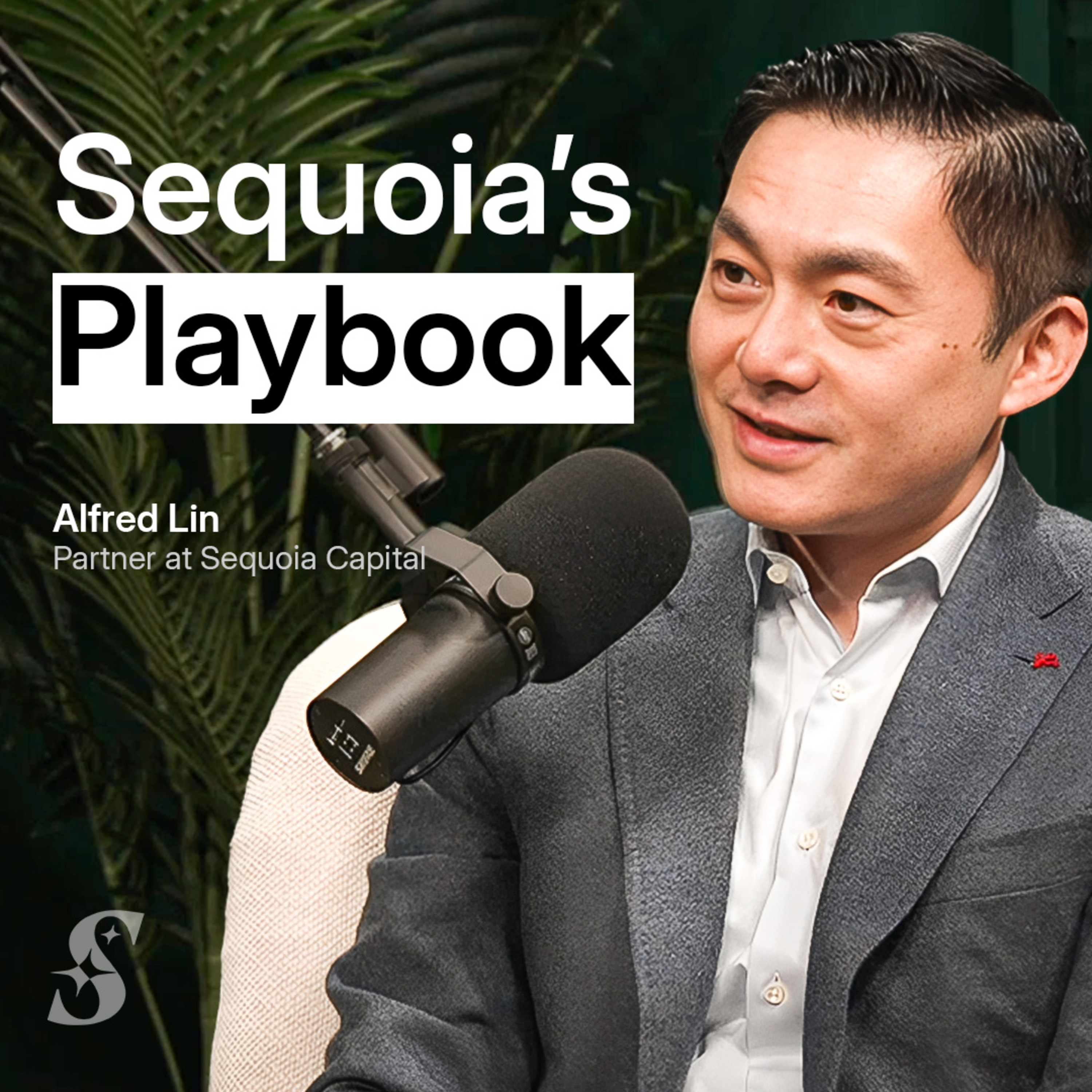
The abundance of capital has shifted the VC mindset from serving founders over a decade to simply "winning" the next hot deal. This transactional approach is misaligned with what founders truly need: a committed, long-term partner who puts the company first.
An estimated 60% of VCs harm their portfolio companies by pushing a 'burn at all costs' mentality or pretending to know how to run the business. The best VCs are humble connectors who link founders with people who have successfully navigated similar growth stages before.
Founders should press VCs on how they specifically envision working together. A strong investor can articulate a nuanced plan tailored to the team's unique needs and the founder's working style, moving beyond a generic menu of services to show true alignment and understanding of the business's goals.
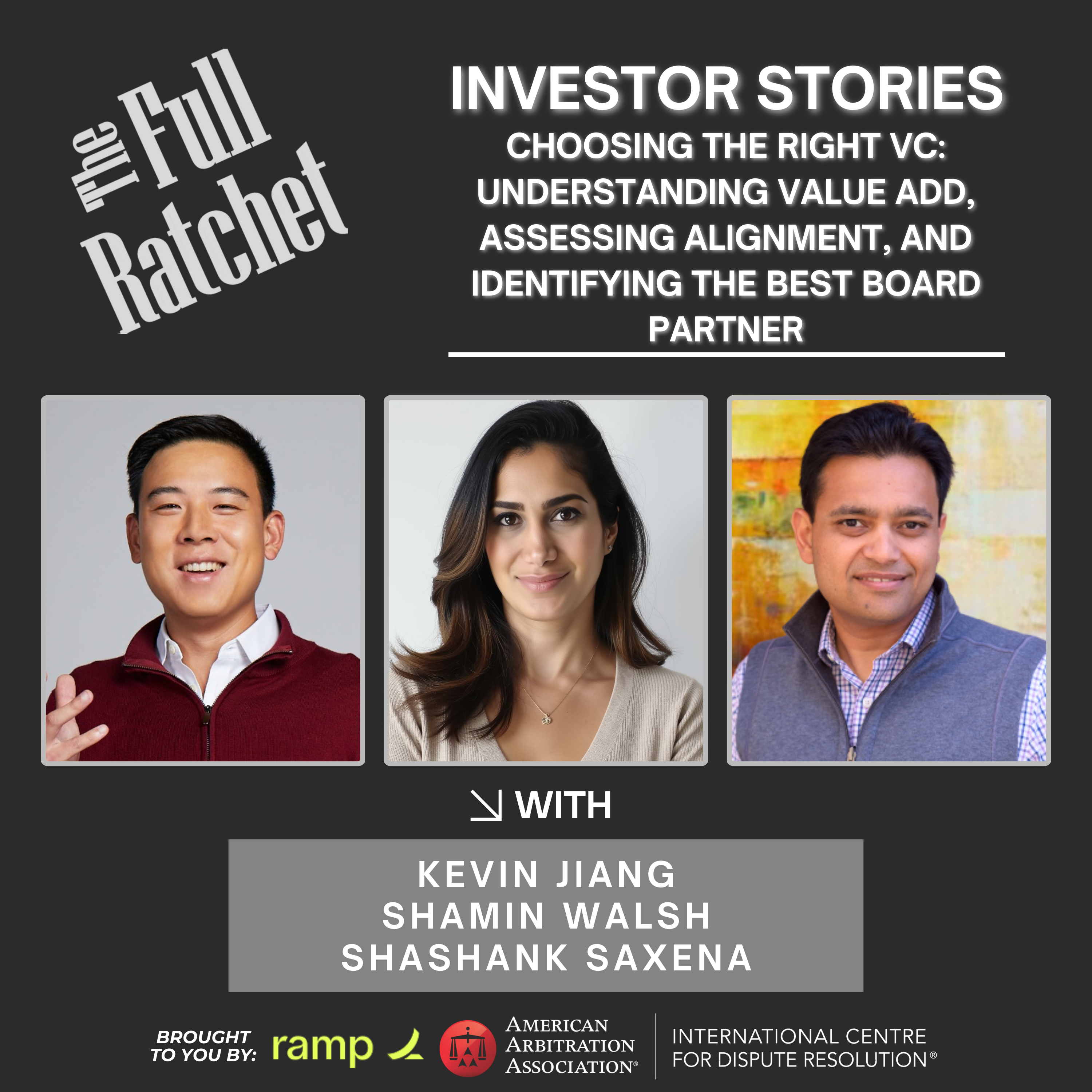
Many VC firms hire former operators for their expertise, but success isn't guaranteed. The best operator-VCs avoid the urge to "backseat drive" the companies they fund. Instead, they leverage their experience with extraordinary humility, acting as a supportive advisor rather than a replacement CEO.

The most valuable role for a board member isn't giving advice, but acting as a "sparring partner." This involves asking sharp questions that help founders surface their own insights and gain clarity on ideas they already hold, especially when navigating uncharted territory.
Competing to be a founder's "first call" is a crowded, zero-sum game. A more effective strategy is to be the "second call"—the specialist a founder turns to for a specific, difficult problem after consulting their lead investor. This positioning is more scalable, collaborative, and allows for differentiated value-add.

The firm distinguishes between speed (magnitude) and velocity (magnitude plus direction). Founders are encouraged to focus on velocity, ensuring the entire team is moving quickly *in the right direction*. This prevents wasted effort where mere motion is mistaken for progress, a common trap in turbulent markets.
Reframe the pitch meeting from a judgment session to a mutual evaluation. Founders are selecting a partner for 7-10 years and must assess the investor for chemistry and fit, rather than just seeking capital from a position of need.