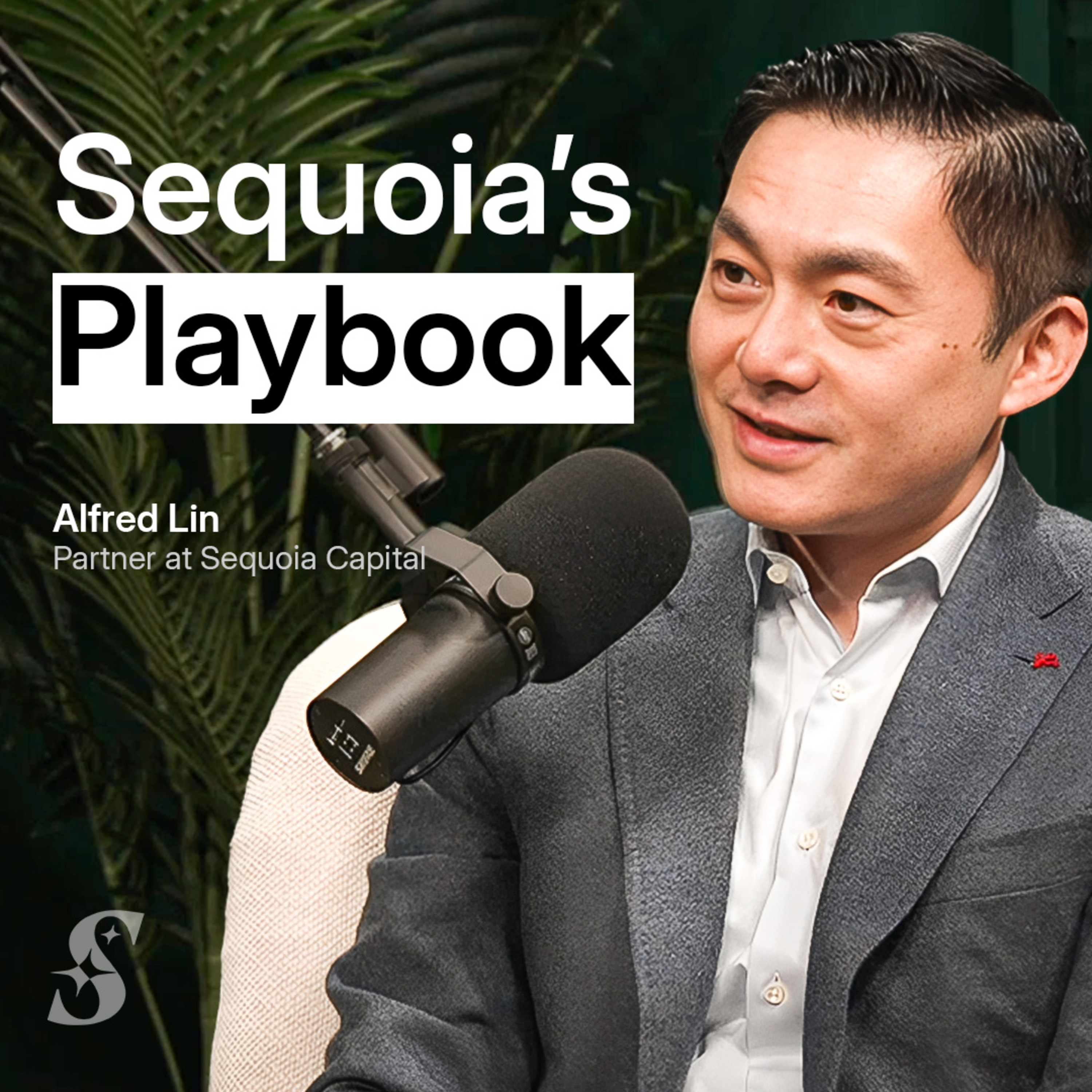
Alfred Lin's framework for board members is to be supportive 'shock absorbers' during hardships, helping founders pick up the pieces. When the company is succeeding, they become 'sparring partners' to challenge founders, prevent complacency, and push the business to the next level.
Sequoia quantifies its search for 'outlier founders' in statistical terms. An exceptional founder is three standard deviations above the mean in a key trait, but a true outlier is four. This statistical lens explains their high bar, reviewing around 1,000 companies for every single investment.
Lin warns that much of today's AI revenue is 'experimental,' where customers test solutions without long-term commitment. He calls annualizing this pilot revenue 'a joke.' He advises founders to prioritize slower, high-quality, high-retention revenue over fast, low-quality growth that will eventually churn.
While competitors viewed capital as a strategic weapon, DoorDash focused on capital efficiency. Their goal was to be twice as effective with every dollar spent on customer acquisition. Lin emphasizes that capital is fuel, but it's useless without a 'fire burning'—a product with real engagement.
Zipline's original product was a robotics platform that failed to gain traction. Their 'Capital P Pivot' was to medical drone delivery, starting in Rwanda due to US regulations. The strategy was to build a strong safety record abroad to eventually earn the right to operate in the US.
After a long regulatory battle, Kalshi expanded its event marketplace through a series of 'small p pivots.' They started with current events, moved to economic indicators, then elections (which required suing their regulator), and now sports. This shows a methodical approach to market expansion in a regulated space.