Get your free personalized podcast brief
We scan new podcasts and send you the top 5 insights daily.
By prioritizing resource acquisition in its own sphere of influence (Venezuela), the US has effectively signaled it cannot or will not defend Taiwan. This action, whether an explicit deal or not, acts as a 'handshake,' giving China the green light to pursue its own regional strategic objectives.

Related Insights
The public justification for the U.S. operation in Venezuela focused on drugs and oil, but the larger, under-discussed strategic threat is the presence of American adversaries in the Western Hemisphere. China controls Venezuelan mining, Iran operates drone facilities, and Russia provides radar systems, creating a significant geopolitical challenge in America's 'backyard' that the official narrative ignores.

The U.S. operation to capture Maduro serves as a real-world case study for China's potential 'decapitation' strike against Taiwan. China has already rehearsed such scenarios in mock-ups of Taipei's presidential palace. This event demonstrates the feasibility of a quick, surgical strike, which is more aligned with the CCP's goals than a costly amphibious invasion.
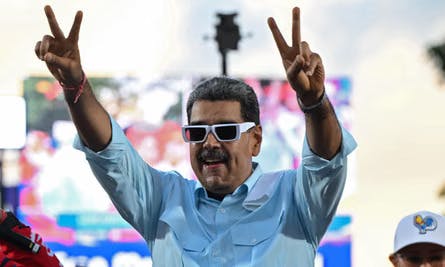
The American action in Venezuela was likely a strategic message to other nations, particularly in Latin America, that an alliance with China does not guarantee protection from US intervention and may carry unforeseen downsides.
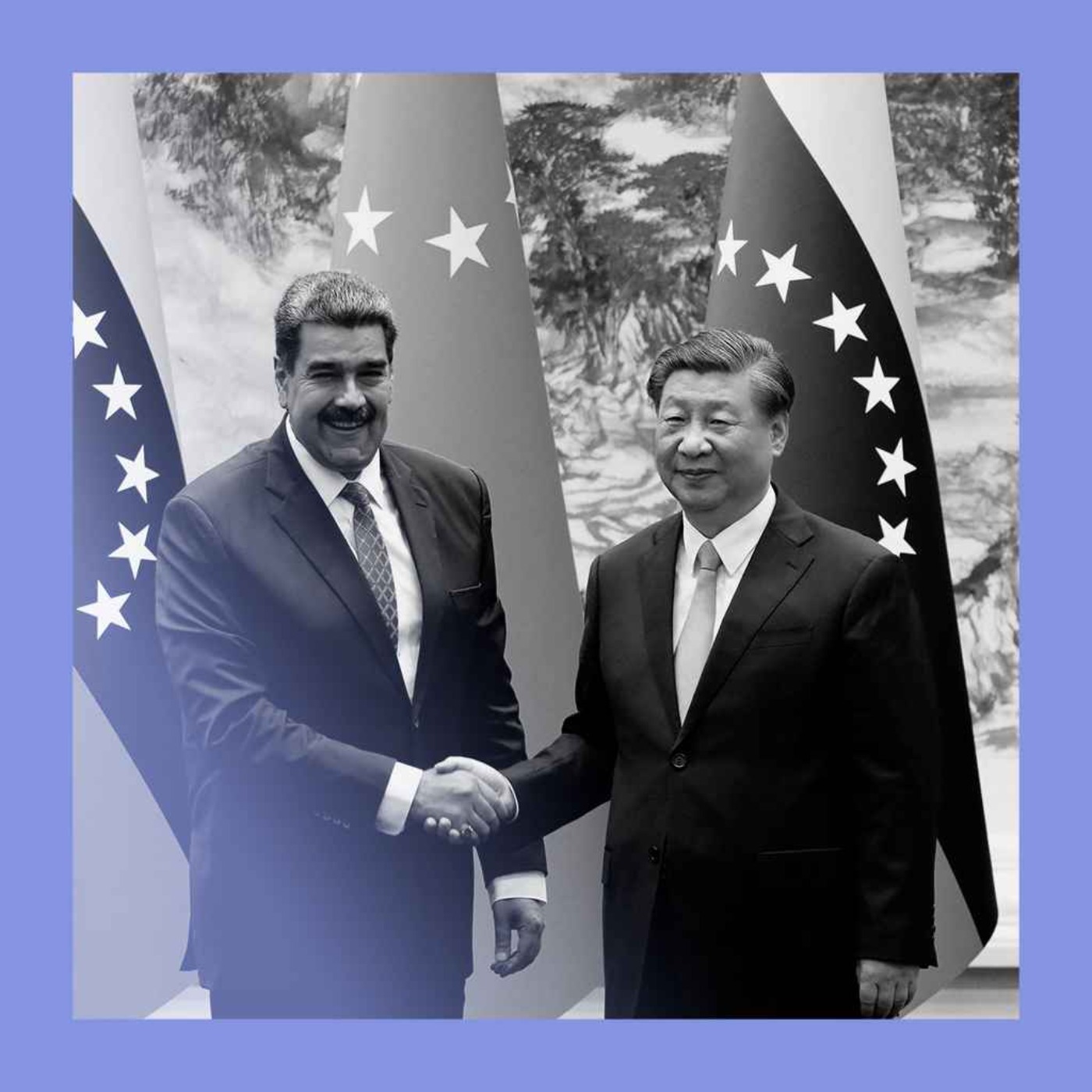
The public narrative of fighting a "war on drugs" in Venezuela is a distraction. The true purpose of the US military consolidation in the Caribbean is to project power against China, which has massive investments, shipping routes, and influence in the region. The conflict is a strategic message in an undeclared cold war.

The US invasion of Venezuela isn't for oil or to stop drugs, but to counter China's strategic influence via its Belt and Road Initiative. This reasserts the Monroe Doctrine—preventing rival footholds in its hemisphere—in a new Cold War context.

The public narrative of fighting narco-terrorism in Venezuela is a red herring. The true strategic goal is to justify a U.S. military presence in the Caribbean to counter China's growing economic and military investments in the region, including control of key shipping routes and military partnerships.

The US troop buildup near Venezuela isn't just about oil; it's a strategic move to counter China's growing economic influence in South America. China is establishing a gold-backed currency network, and the US is using military leverage on Venezuelan allies to disrupt this challenge to its hemispheric dominance.

The conflict is not primarily about oil or drugs, but a strategic move to reassert U.S. dominance in the Western Hemisphere. As China solidifies its influence in the East, the U.S. is 'drawing a line' to counter China's partnerships (like with Venezuela) in its own sphere of influence.

The US military operation in Venezuela is interpreted as a display of global military dominance aimed at China and Russia. This action suggests a strategic pivot towards becoming a global empire rather than retreating to a regional, isolationist Monroe Doctrine.

The Trump administration's renewed focus on Latin America, as detailed in its national security strategy, could inadvertently signal a reduced US geopolitical focus on China's sphere of influence. Beijing may interpret this as an opportunity to play the long game on Taiwan, avoiding immediate retaliation over Venezuela.
