Get your free personalized podcast brief
We scan new podcasts and send you the top 5 insights daily.
Regrets about not living up to your potential (ideal self) linger longer than regrets about failing duties (ought self). You can apologize for a mistake and find closure, but it's impossible to resolve the regret of “never trying” because the perfect, unlived alternative can't be disproven.

Related Insights
Even regrets about things you did (action regrets) are frequently rooted in a subsequent failure to act. The regret isn't just about the mistake itself, but the inaction of not apologizing, making amends, or learning from it. This reframes all regret as a call to future action, not a state of paralysis.

Regrets aren't about specific failures, but about consistently choosing the safe, logical path (the 'big boy/girl') over the intuitive, risk-taking inner voice (the 'little boy/girl'). A life without regret requires letting your inner child 'come out and play' at critical forks in the road.

Our minds obsess over incomplete tasks or "open loops," a psychological principle called the Zeigarnik effect. Unpursued career paths create a powerful open loop, causing us to ruminate on "what could have been," which fuels regret.

The pain of regret is determined by how easily you can imagine a better alternative. Olympic silver medalists often feel worse than bronze medalists because they focus on almost winning gold, while bronze medalists focus on almost getting nothing. This “counterfactual thinking” intensifies regret.
Psychological research reveals a clear pattern in regret. We immediately regret actions we took that turned out poorly ("sins of commission"). However, over a lifetime, our most profound regrets stem from what we failed to do, such as not expressing our feelings—these "sins of omission" create lingering "what if" scenarios.
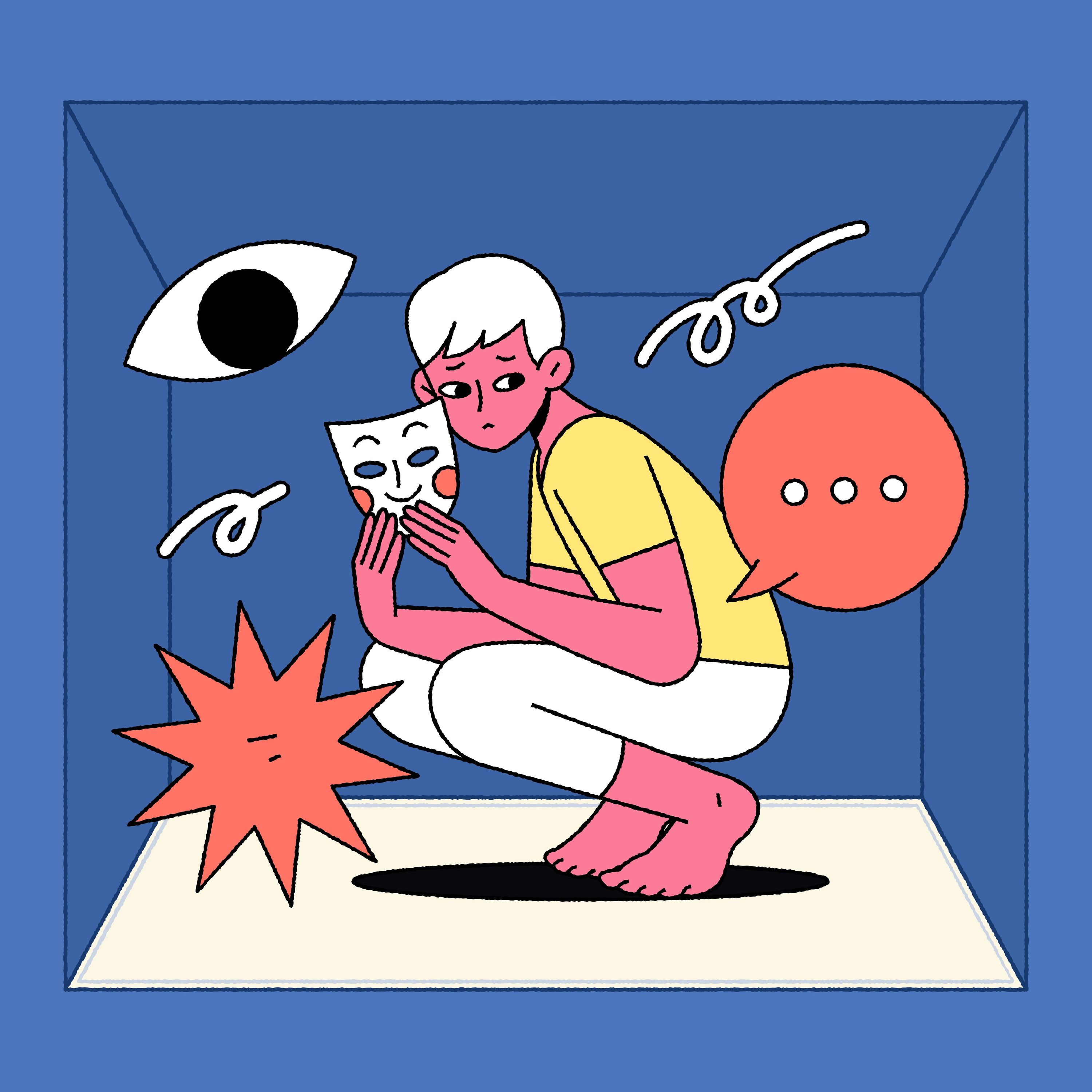
Across life, people overwhelmingly regret the things they *didn't* do (76% of regrets), not the things they did. This applies directly to communication; one of the top five regrets of the dying is "I wish I had expressed my feelings more." The long-term pain of unsaid words outweighs the short-term fear of sharing.

People easily forgive themselves for mistakes but ruminate on things they didn't try. This "boldness regret" is a major source of life dissatisfaction, especially with career choices, highlighting the psychological cost of playing it safe.
It is better to pursue your passion and fail than to never try at all. Failure provides a definitive answer and eliminates the lifelong burden of wondering "what if." In this sense, even failure is a form of winning because it provides closure.

Drawing on research from Daniel Pink's book "The Power of Regrets," the guest notes that people are good at forgiving themselves for mistakes (regret of action). However, the paths they never traveled and doors they never opened (regret of inaction) tend to cause more profound, lasting rumination.

People on their deathbeds do not regret failures; they regret not trying. The story of a patient who attempted to climb Mt. Everest and failed reveals the key insight: the act of pursuing a deeply held goal provides fulfillment and eliminates regret, regardless of whether you ultimately succeed.