Get your free personalized podcast brief
We scan new podcasts and send you the top 5 insights daily.
The pain of regret is determined by how easily you can imagine a better alternative. Olympic silver medalists often feel worse than bronze medalists because they focus on almost winning gold, while bronze medalists focus on almost getting nothing. This “counterfactual thinking” intensifies regret.

Related Insights
Our minds obsess over incomplete tasks or "open loops," a psychological principle called the Zeigarnik effect. Unpursued career paths create a powerful open loop, causing us to ruminate on "what could have been," which fuels regret.

To manage regret, ask three questions: 1) What specific alternate life am I imagining? 2) Is the opportunity to change this still available? 3) What will I do differently now? If you can't act, you are not learning from the regret; you are merely collecting it, which is destructive.
Psychological research reveals a clear pattern in regret. We immediately regret actions we took that turned out poorly ("sins of commission"). However, over a lifetime, our most profound regrets stem from what we failed to do, such as not expressing our feelings—these "sins of omission" create lingering "what if" scenarios.
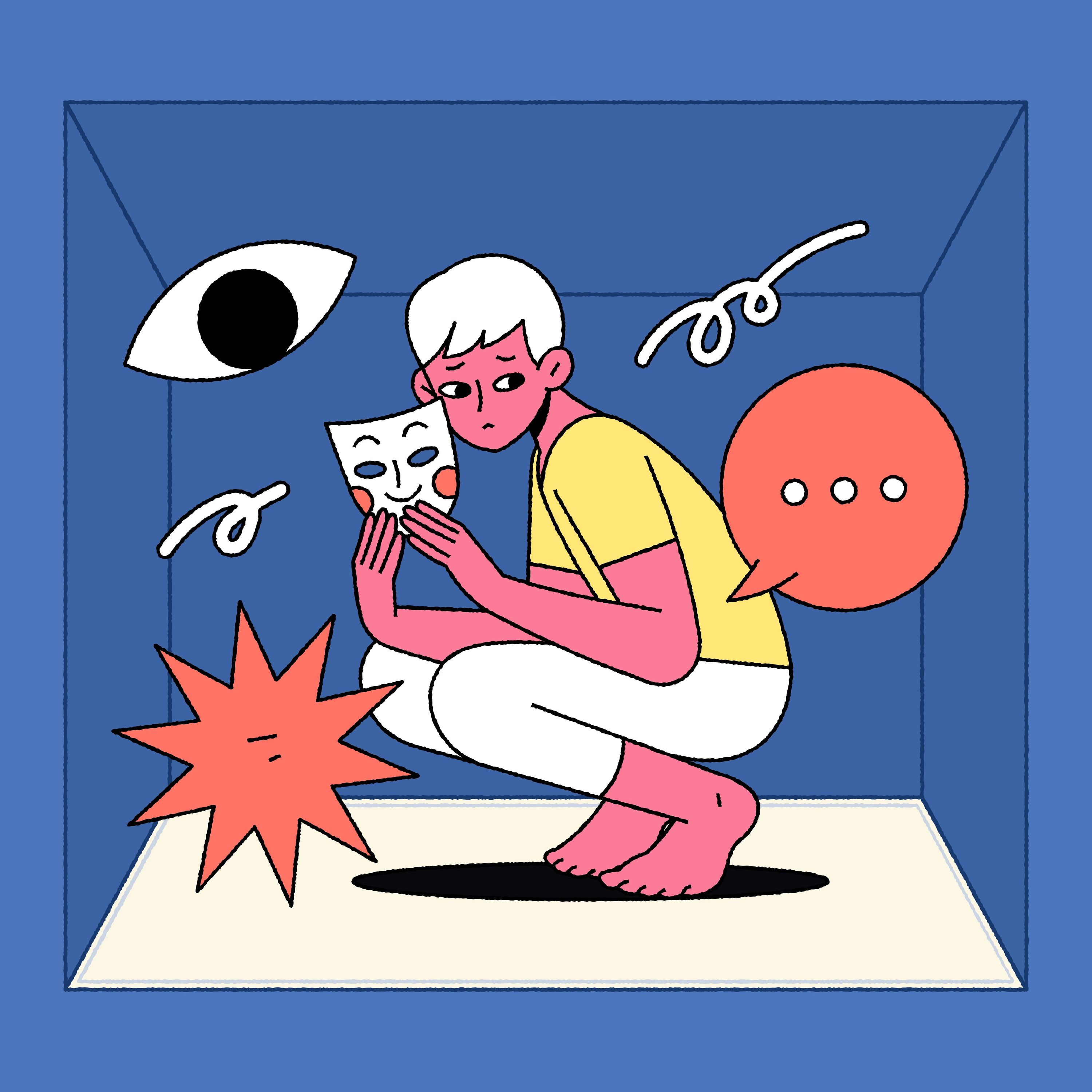
Wealthy individuals experience more financial regrets not because they value money more, but because they have more agency and make more significant financial decisions. Each choice (buy, sell, invest) creates a clear, measurable alternate reality, making regret more potent and frequent.
People often regret not pursuing an opportunity by only imagining the potential upside. They fail to consider the sacrifices and downsides they would have endured to achieve it. This reframes regret as an incomplete calculation of trade-offs, making it easier to accept past decisions.

Regrets about not living up to your potential (ideal self) linger longer than regrets about failing duties (ought self). You can apologize for a mistake and find closure, but it's impossible to resolve the regret of “never trying” because the perfect, unlived alternative can't be disproven.
The worst emotional outcome is not losing on a venture you pursued. It's the profound, lasting regret of letting fear override your conviction, saying 'no' to something you believed in, and then watching it succeed without you. This emotional asymmetry is a core reason to act.

Drawing on research from Daniel Pink's book "The Power of Regrets," the guest notes that people are good at forgiving themselves for mistakes (regret of action). However, the paths they never traveled and doors they never opened (regret of inaction) tend to cause more profound, lasting rumination.

Regret is based on the flawed assumption that you could have chosen differently. If you rewind time, your brain, information, and circumstances would be identical, leading to the same decision 100% of the time. Accepting this necessity dissolves regret's power.
When deciding whether to leave a stable job to start Amazon, Jeff Bezos asked which choice he would regret more at age 80. People are far more haunted by the opportunities they didn't take than the ones they took that failed. This is a powerful mental model for making bold career leaps.
