Get your free personalized podcast brief
We scan new podcasts and send you the top 5 insights daily.
Stumpf argues that focusing only on military-related trauma is a mistake. He finds that many struggling veterans carried a "full sea bag of trauma" from their lives *before* enlisting. Military service then layers new trauma on this unresolved foundation, creating a dangerous combination that manifests after they leave the service.

Related Insights
Many mental health challenges like depression and anxiety are not standalone conditions but symptoms of underlying trauma. Deep healing should focus on resolving the root cause, which can eliminate the disorder, rather than just managing symptoms.

Trauma isn't simply any negative experience. It is specifically an event or situation that overwhelms a person's coping abilities, leading to lasting changes in brain function that manifest in mood, behavior, and physical health.

Trauma is not an objective property of an event but a subjective experience created by the relationship between a present situation and past memories. Because experience is a combination of sensory input and remembered past, changing the meaning or narrative of past events can change the experience of trauma itself.

The guest connects the public safety crisis of mass shootings to untreated brain injuries in military veterans. Citing that 31% of mass shooters are veterans, he argues the issue is a neurological condition (CTE) causing them to act erratically, not a moral or ideological failing. Treating brain inflammation could be a key preventative measure.

Stumpf reflects on a friend, a model Navy SEAL, whose private journals revealed a vast delta between his revered public persona and his tortured self-view. This inability to reconcile the external image with internal struggle, and the feeling of failing an impossibly high standard, can become an unbearable burden for high achievers.
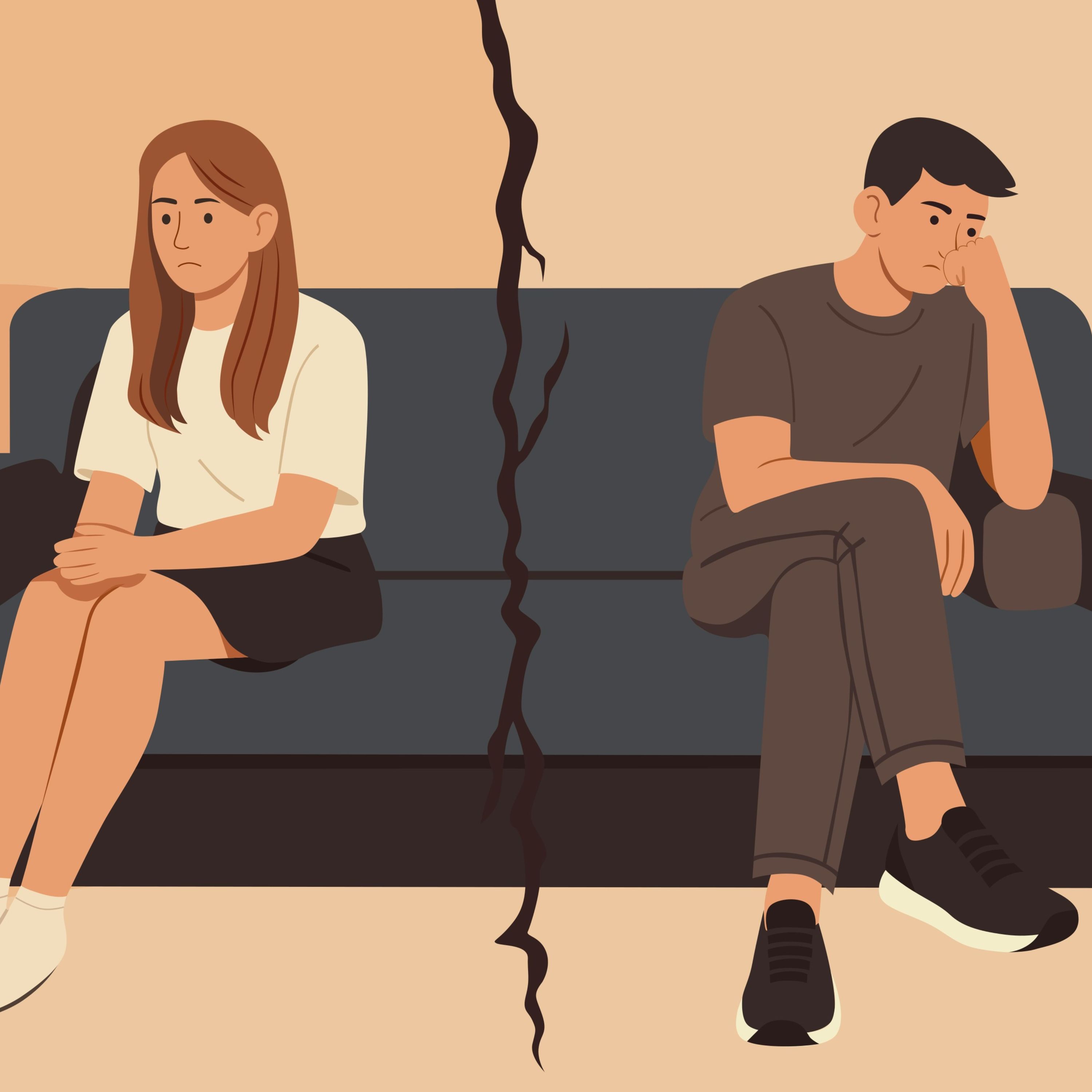
Stumpf candidly calls his contentious, multi-year divorce the hardest thing he's ever done, surpassing even SEAL training and combat. While military challenges were physically and psychologically demanding, the divorce attacked his core identity and self-worth in a way that was uniquely debilitating and "soul-crushing."
Resilience after trauma is less about age and more about the nature of the event. Both children and adults show high resilience to acute, one-off events. However, both groups struggle immensely with chronic, ongoing trauma like abuse or war, which overwhelms natural coping mechanisms.

Psychologists can predict the severity of a person's depressive and anxious symptoms not by the content of their trauma, but by the form of their narrative. Recurring, stuck narratives, or what is called the "same old story," correlate with poorer mental health outcomes.
Adverse Childhood Experiences (ACEs)—like witnessing violence or abuse—create chronic stress. The resulting "ACE score" is a powerful predictor of future problems. Kids with high ACE scores from inner-city environments often exhibit PTSD rates exceeding those of combat veterans.

A critical, often overlooked factor in the explosion of mental illness is the declining capacity to tolerate uncomfortable feelings, known as "distress tolerance." This transdiagnostic factor, which makes people less resilient, is decreasing across the population and correlates with a rise in various disorders.