Get your free personalized podcast brief
We scan new podcasts and send you the top 5 insights daily.
The official narrative of China's top general leaking nuclear secrets is likely a cover for a deeper power struggle between President Xi and the military establishment. The ongoing purges are a sign of internal conflict for control, making an invasion of Taiwan less likely due to a destabilized command structure.

Related Insights
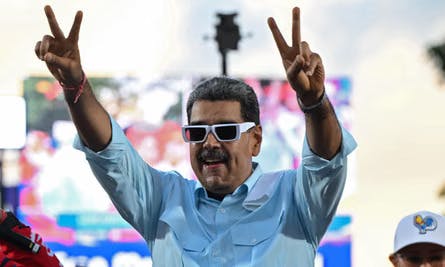
The U.S. operation to capture Maduro serves as a real-world case study for China's potential 'decapitation' strike against Taiwan. China has already rehearsed such scenarios in mock-ups of Taipei's presidential palace. This event demonstrates the feasibility of a quick, surgical strike, which is more aligned with the CCP's goals than a costly amphibious invasion.
China's showcase of advanced military hardware, like its new aircraft carrier, is primarily a psychological tool. The strategy is to build a military so 'forbiddingly huge' that the US would hesitate to engage, allowing China to achieve goals like reabsorbing Taiwan without fighting. This suggests their focus is on perceived power to deter intervention.

The argument that the U.S. must race to build superintelligence before China is flawed. The Chinese Communist Party's primary goal is control. An uncontrollable AI poses a direct existential threat to their power, making them more likely to heavily regulate or halt its development rather than recklessly pursue it.

A former CIA operative suggests that government secrecy is frequently a tool to hide administrative incompetence, premature announcements, or procedural errors, rather than to cover up nefarious, large-scale conspiracies. This perspective reframes public distrust from calculated malice to bureaucratic failure.
Chinese leadership believes time is not on its side regarding Taiwan. The growing sense of a distinct Taiwanese identity, especially among younger generations, creates pressure to act before a political 'reunification' becomes impossible, thus increasing the risk of military action.

The core national anxieties of Russia and China are opposites, shaping their strategic cultures. Russia's history of devastating invasions fuels its fear of external threats (the "Mongol yoke"). China, haunted by centuries of civil war, fears internal chaos and the collapse of the state above all else.

China's strategy for Taiwan likely mirrors its 2019 Hong Kong takeover. Instead of a direct military assault, Beijing will use political influence, espionage, and legislative changes to create administrative bridges, making any physical resistance illegal before troops ever move in.
Unlike pragmatic predecessors, Xi Jinping operates from a quasi-religious belief that China is divinely intended to be the "middle kingdom"—the world's dominant power. This ideological North Star explains his confrontational approach to geopolitics, even when it seems economically irrational.
Instead of a full-scale invasion, China is employing an "anaconda strategy" of constant, low-level pressure. Tactics like cutting undersea cables and sending drones are designed to exhaust and demoralize Taiwan, making a military response from the US difficult to justify.
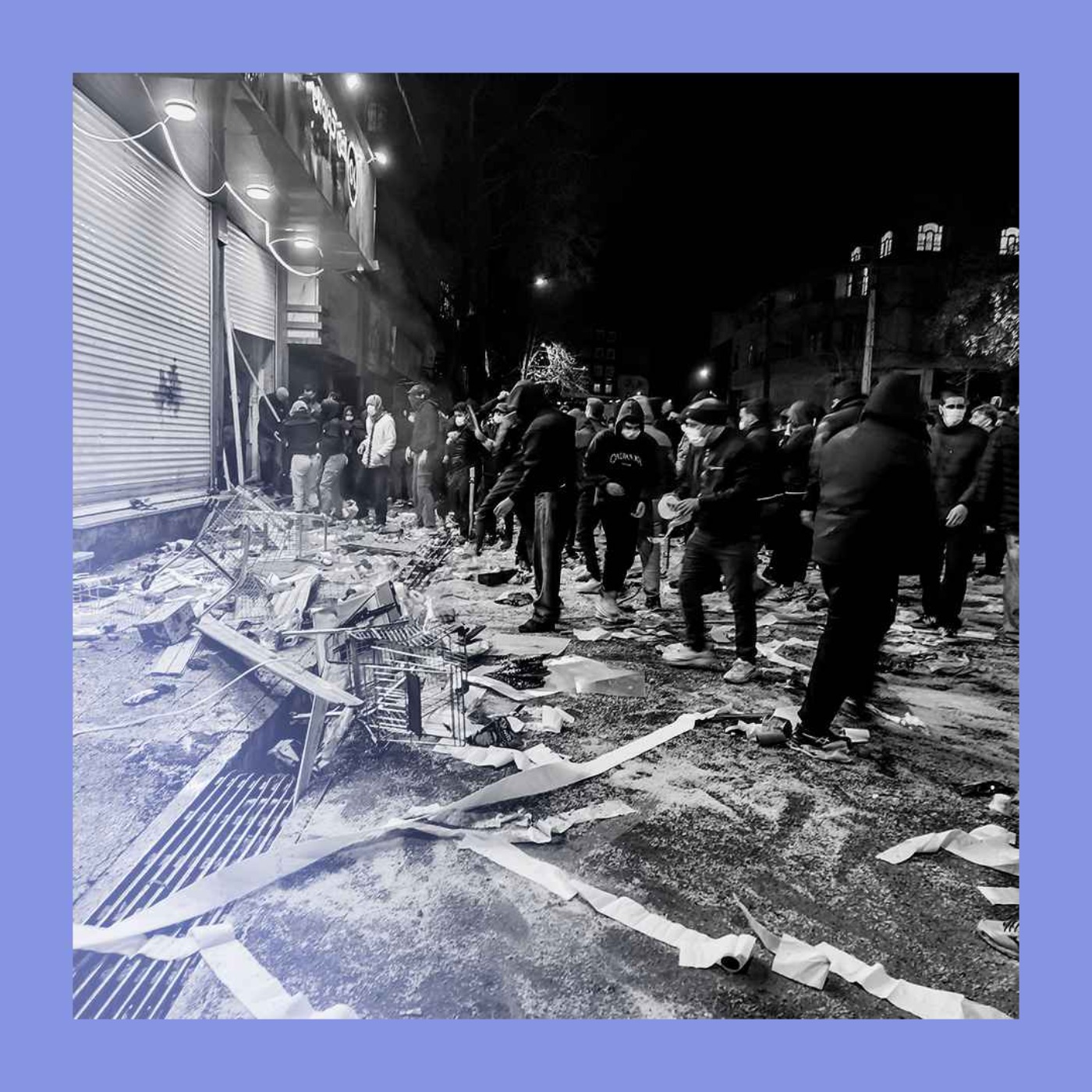
An obsessive focus on internal political battles creates a critical geopolitical vulnerability. While a nation tears itself apart with divisive rhetoric, strategic adversaries like China benefit from the distraction and internal weakening. This domestic infighting accelerates the erosion of the nation's global influence and power.