Get your free personalized podcast brief
We scan new podcasts and send you the top 5 insights daily.
Today's cannabis is a fundamentally different drug. Average THC content has soared from ~4% to ~20%, and daily use is more common. This combination results in a brain exposure roughly 65 times higher than the typical user from a few decades ago, making comparisons based on past experiences dangerously misleading.

Related Insights
Humans evolved to have different "drugs of choice" as a survival mechanism. If everyone sought the same rewards, groups would quickly deplete a single resource. This once-adaptive trait now makes us vulnerable to a wide array of modern, hyper-stimulating temptations.

Modern society turns normal behaviors like eating or gaming into potent drugs by manipulating four factors: making them infinitely available (quantity/access), more intense (potency), and constantly new (novelty). This framework explains how behavioral addictions are engineered, hijacking the brain’s reward pathways just like chemical substances.
Cannabinoids (THC, CBD) don't directly reduce testosterone. Instead, the act of smoking marijuana increases the enzyme aromatase, which converts testosterone into estrogen. Higher estrogen then signals the pituitary to reduce testosterone production, creating an indirect negative feedback loop.
The brain maintains balance by counteracting any deviation to the pleasure side with an equal and opposite reaction to the pain side. This opponent process is why we experience hangovers and why chronic indulgence leads to a dopamine deficit state, driving us to use more just to feel normal.

As alcohol consumption declines, cannabis-infused drinks are entering the mainstream and displacing traditional alcohol sales. In markets like Minnesota, these new beverages already account for over 15% of total alcohol sales, signaling a massive shift in consumer preference.

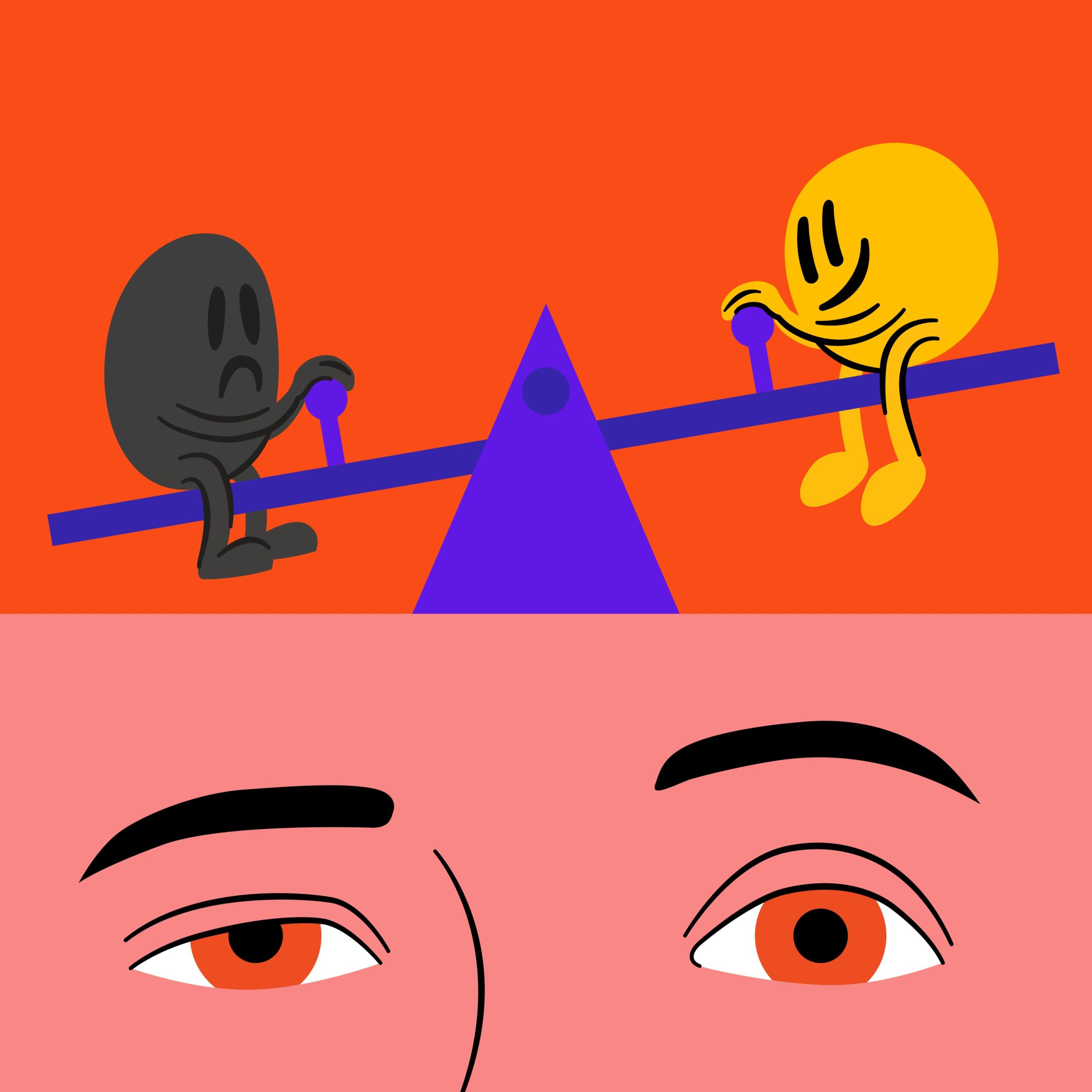
Neuroscience shows pleasure and pain are co-located in the brain and work like a seesaw. When we experience pleasure, the brain immediately compensates by tilting towards pain to restore balance. This neurological 'come down' is why constant pleasure-seeking eventually leads to a state of chronic pain and craving.
For millennia, humans consumed weak, fermented beverages in communal settings, providing natural limits. The recent inventions of distillation (high-potency alcohol) and cultural shifts toward private, isolated consumption have removed these biological and social guardrails, making alcohol far more dangerous than it was historically.

Neuroplasticity is not inherently positive. The same brain malleability that allows young people to easily learn new skills and languages also makes them exceptionally vulnerable to addiction. Starting a substance as a teenager is far more likely to lead to lifelong dependency than starting at an older age because the brain learns the addiction more deeply.
Constantly bombarding our reward pathways causes the brain to permanently weigh down the 'pain' side of its pleasure-pain balance. This alters our baseline mood, or 'hedonic set point,' meaning we eventually need our substance or behavior not to get high, but simply to escape a state of withdrawal and feel normal.
Brain imaging studies show that the brain's reward circuitry (nucleus accumbens) activation in response to drug cues is a more accurate predictor of relapse than the person's own stated commitment to sobriety. This highlights a powerful disconnect between conscious desire and deeply ingrained, subconscious cravings.