Get your free personalized podcast brief
We scan new podcasts and send you the top 5 insights daily.
Conflict avoidance is not a sign of a healthy relationship. True intimacy is built through cycles of 'rupture and repair,' where disagreements are used as opportunities for deeper understanding. A relationship without conflict may be fragile, as its ability to repair has never been tested.

Related Insights
In intimate relationships, arguing over objective facts is a recipe for disaster. According to therapist Terry Real, "objective reality has no place in intimate relationships." Trying to prove your point with logic ignores your partner's emotional experience and only escalates conflict. Focus on feelings, not facts.

Deep intimacy is not a passive state but an active skill that requires practice. Difficult emotional work, like apologizing first, will feel clumsy initially, just like learning an instrument. Gracefulness and effectiveness only come through consistent repetition and treating it as a formal practice.

Conflict in friendships should be welcomed, not avoided. The psychotherapeutic concept of 'rupture and repair' — a breach in the relationship followed by its restoration — is proof of a strong connection. Actively working through conflict facilitates growth, respect, and a deeper bond.

What appears as outward aggression, blame, or anger is often a defensive mechanism. These "bodyguards" emerge to protect a person's inner vulnerability when they feel hurt. To resolve conflict, one must learn to speak past the bodyguards to the underlying pain.
In disagreements, the objective isn't to prove the other person wrong or "win" the argument. The true goal is to achieve mutual understanding. This fundamental shift in perspective transforms a confrontational dynamic into a collaborative one, making difficult conversations more productive.

By framing a perpetual issue as an external, inanimate pattern (e.g., a 'spender-saver' dynamic), partners can stop blaming each other. This shifts the focus from personal failings to a shared problem they can address collaboratively, fostering connection instead of disconnection.
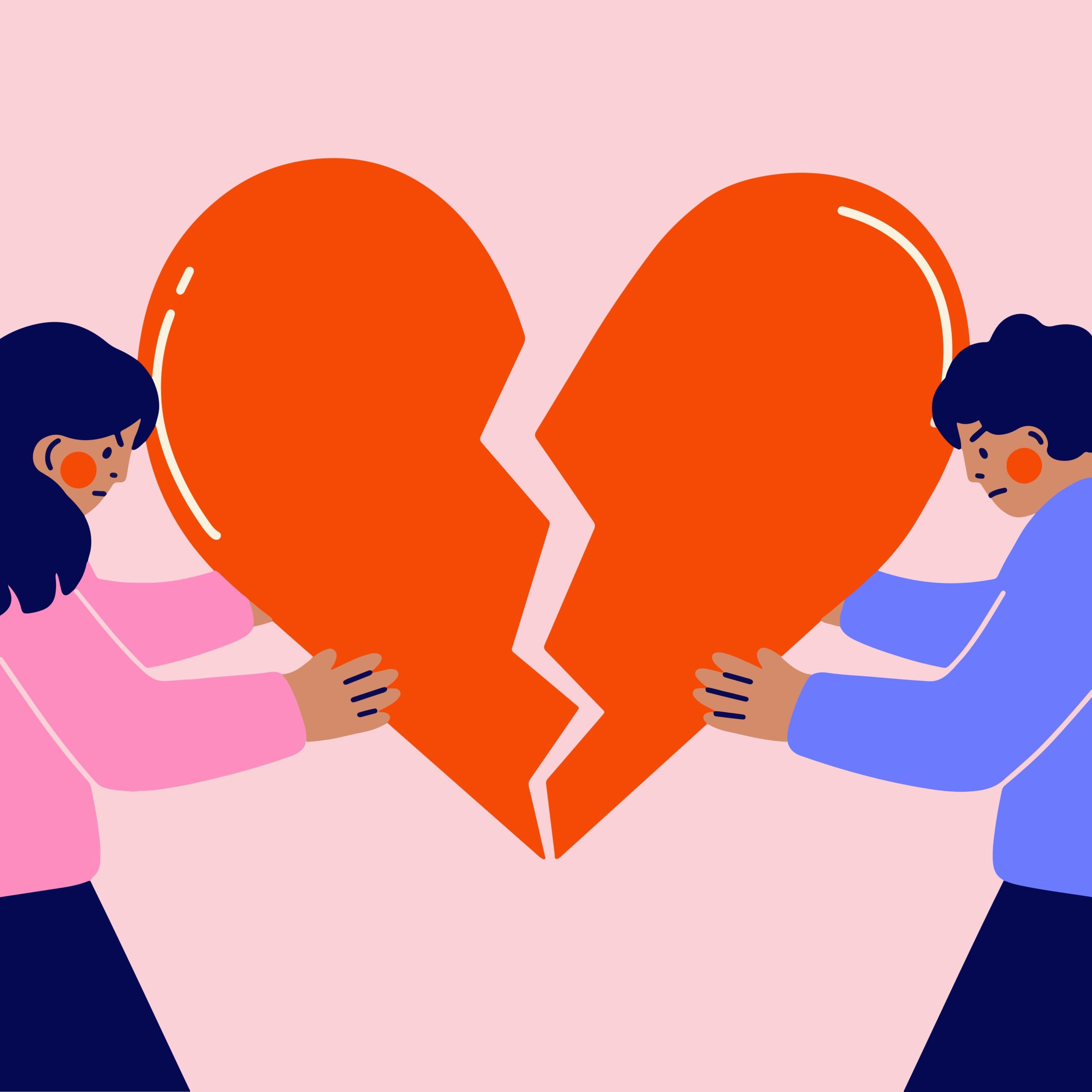
Relationships don't start in earnest until the initial fantasy shatters. This 'crisis of disappointment' happens when partners see each other realistically for the first time, flaws and all. Only after this moment can a genuine connection be built on who the person actually is, rather than on an idealized projection.

Based on a Zen story, "eating the blame" involves proactively apologizing for your part in a conflict, even when you feel your partner is more at fault. This emotionally counter-intuitive act breaks the cycle of defensiveness and creates space for resolution, making it a highly agentic move.
To heal a relational wound, one must revisit the original feeling within a new, safe relationship. The healing occurs when this context provides a "disconfirming experience"—a different, positive outcome that meets the original unmet need and neurologically rewrites the pattern.
Couples in conflict often appear to be poor communicators. However, studies show these same individuals communicate effectively with strangers. The issue isn't a skill deficit, but a toxic emotional environment within the relationship that inhibits their willingness to collaborate.