Get your free personalized podcast brief
We scan new podcasts and send you the top 5 insights daily.
For partners hesitant about therapy, perhaps due to cultural stigma, starting with couples sessions can create a bridge. It provides a safe, shared space that can demystify the process, making them more open to pursuing individual work on their own.

Related Insights
Healing relational trauma requires vulnerability, yet traditional masculinity prizes emotional control. This creates a painful paradox for men, where the very act required for healing feels like it threatens their identity and risks emasculation in their partner's eyes, making avoidance feel safer.

Repeatedly venting to friends or family creates a negative feedback loop that damages relationships. Unlike a therapist who pushes for solutions, friends often act as enablers, which hinders actual progress and leads to social exhaustion.

You cannot think your way out of perfectionism with worksheets or intellectual exercises. Recovery is like learning to ride a bike: it requires a safe, experiential process. The therapeutic relationship provides a space to practice vulnerability and build a new, healthier way of relating to oneself, which information alone cannot achieve.
Psychologist James Cordova describes the "paradox of acceptance": the less you actively try to change your partner, the more willing they become to change. This requires genuine surrender, as feigning acceptance with the ulterior motive of instigating change is transparent and ineffective.

During a shared trauma, couples often fail to communicate, leading to resentment. The solution isn't to pretend everything is okay, but to have the courage to state the problem bluntly (e.g., "This is a disaster... I don't like you right now"). This directness breaks the stalemate and forces open communication.

A primary value of AI therapy is providing an accessible, non-judgmental entry point for care. This is especially crucial for demographics like men, who are often hesitant to admit mental health struggles to another person, thereby lowering a significant social barrier.
By framing a perpetual issue as an external, inanimate pattern (e.g., a 'spender-saver' dynamic), partners can stop blaming each other. This shifts the focus from personal failings to a shared problem they can address collaboratively, fostering connection instead of disconnection.
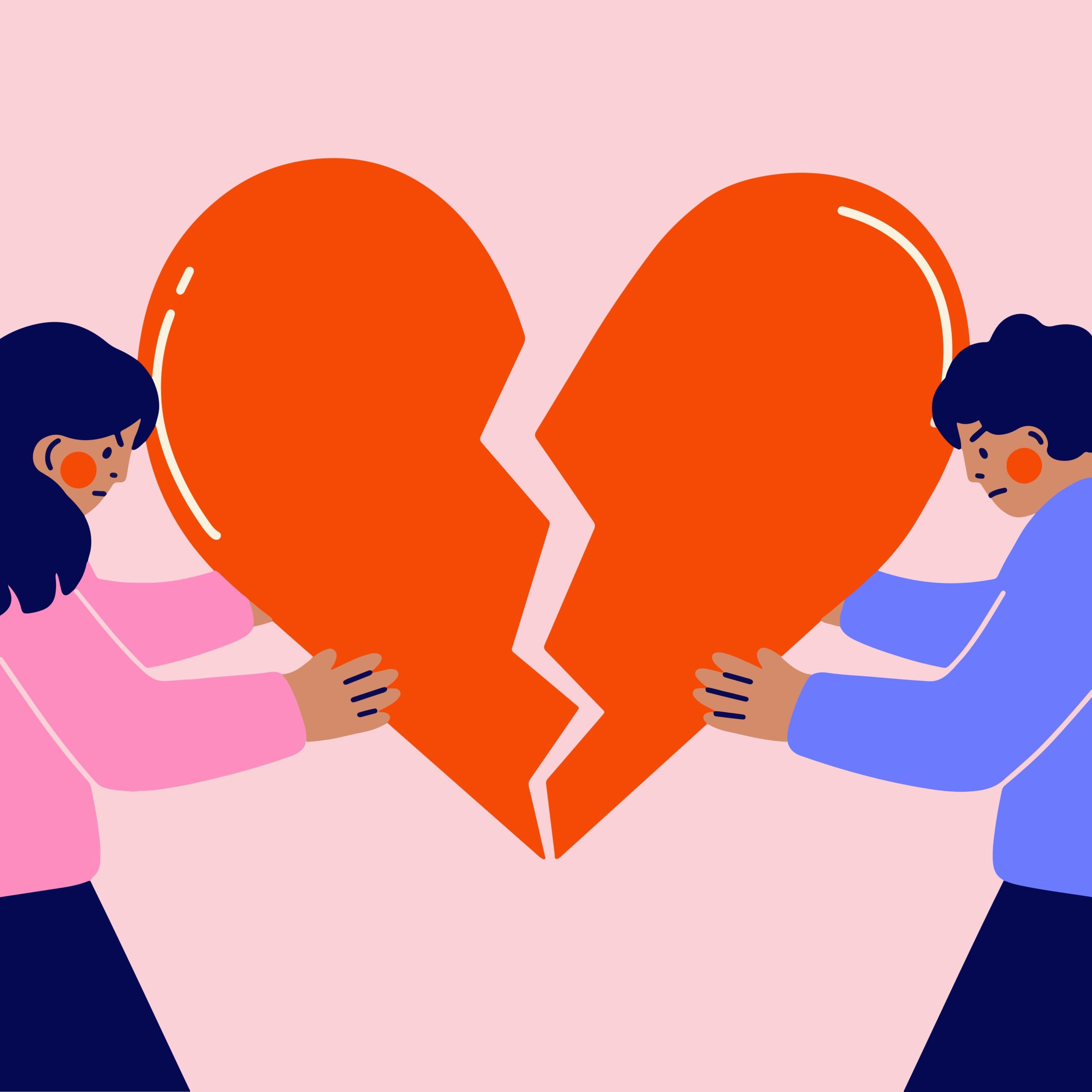
To heal a relational wound, one must revisit the original feeling within a new, safe relationship. The healing occurs when this context provides a "disconfirming experience"—a different, positive outcome that meets the original unmet need and neurologically rewrites the pattern.
The speaker's mother began therapy at age 66 for caregiver burnout, not a major crisis. She'd previously avoided it, thinking her problems weren't "that bad," revealing a common misconception that therapy is only for catastrophes rather than for ongoing personal development at any age.

Couples in conflict often appear to be poor communicators. However, studies show these same individuals communicate effectively with strangers. The issue isn't a skill deficit, but a toxic emotional environment within the relationship that inhibits their willingness to collaborate.