Get your free personalized podcast brief
We scan new podcasts and send you the top 5 insights daily.
Regent avoids costly aircraft certification by classifying its Seagliders as maritime vessels under Coast Guard jurisdiction. Digital flight controls simplify operation to basic boat commands (left/right, fast/slow), eliminating the need for a pilot's license and democratizing access.

Related Insights
Figure founder Brett Adcock, previously of Archer Aviation, states that electric aircraft technology is viable today. The primary gating factor for widespread adoption is the lengthy and complex safety, certification, and policy process with federal bodies like the FAA in the US and EASA in Europe.

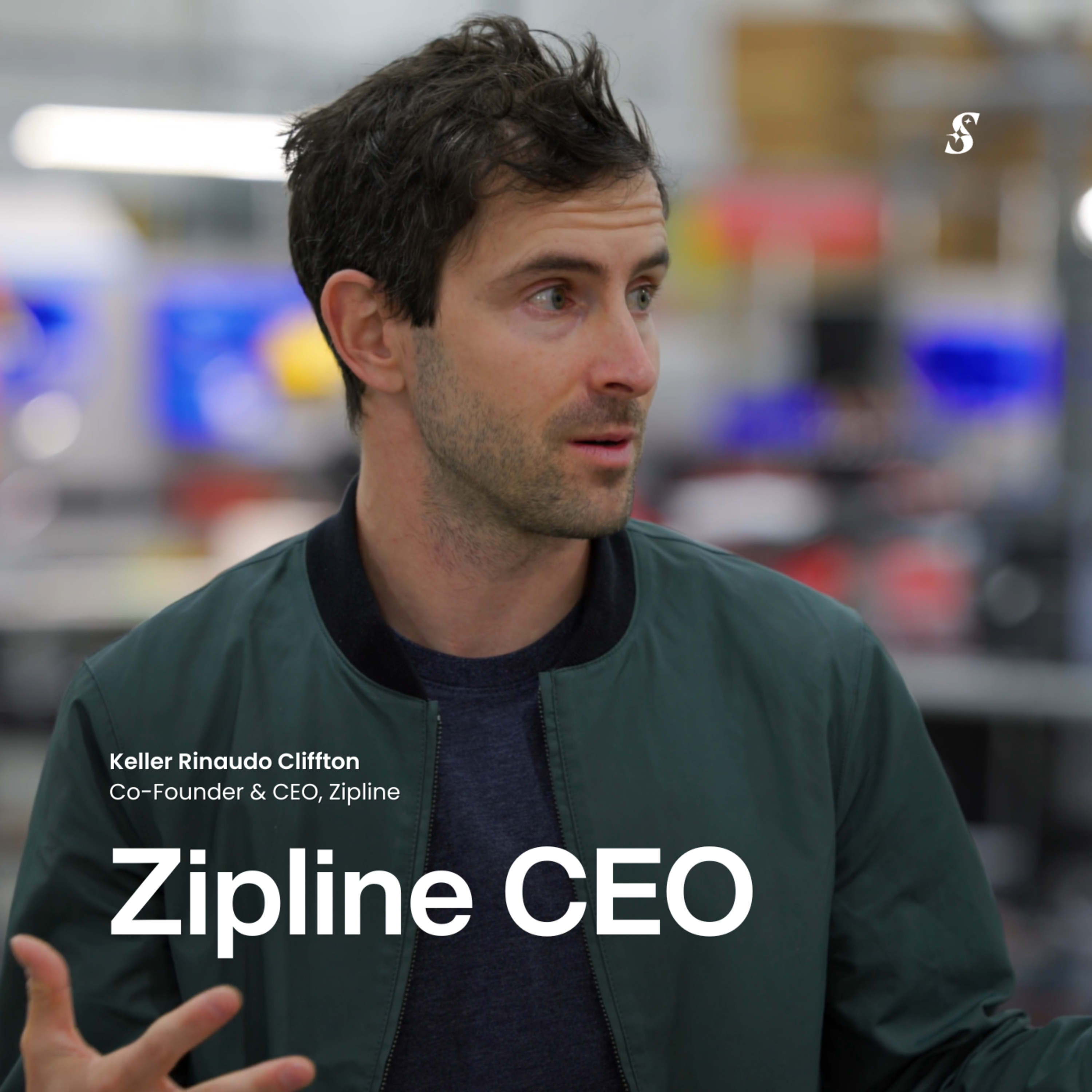
To overcome US regulations banning autonomous flight, Zipline found a life-saving use case (blood delivery) so critical that a foreign government would create a legal framework, allowing them to scale and prove their technology.

Creating a new hardware category in a regulated space like aviation requires more than capital; it demands proactive government engagement to write new laws. Archer initiated efforts to establish the regulatory framework for its eVTOL aircraft, demonstrating the necessity of shaping policy for market creation.

To overcome a major barrier to adoption, flying car company Archer is designing its eVTOLs to be compatible with existing helicopter infrastructure. By fitting within the size, weight, and flight plan constraints of current helipads, the company avoids the massive capital expenditure and regulatory hurdles of building a new network of "VertiPorts."

Archer's CEO claims that flying their aircraft autonomously is "pretty easy," but the existing air traffic control (ATC) system makes it impossible. Today's ATC relies on manual, voice-based communication between pilots and controllers, an infrastructure that cannot support automated flight systems, even if they are technologically safer.

Instead of using million-dollar aerospace computers, Zipline implements safety concepts like redundant flight computers by engineering solutions with components from the smartphone supply chain. This allows them to achieve comparable safety levels at a fraction of the cost and with much faster development cycles.

When domestic regulations make a business model illegal, founders can launch in a more favorable foreign country. By partnering with governments there and gathering extensive operational data (e.g., 100M miles with no incidents), they can return to their home market with the credibility needed to gain regulatory approval.
While helicopters offer similar short-hop travel in cities like New York, they are exceedingly loud, limiting where they can operate. Joby's electric flying machines are nearly silent, which is the game-changing feature that will enable widespread deployment in urban settings.

Strict US FAA rules on beyond-visual-line-of-sight operations force autonomous drone companies to deploy commercially in countries like Brazil and Rwanda, which have more permissive regulatory environments to gather data.

Consolidating private aviation companies is incredibly difficult due to FAA regulations. Moving an aircraft from one operator's certificate to another requires a costly, multi-year process of re-training pilots and re-certifying planes, even if nothing operationally changes for the same owner and aircraft.
