Get your free personalized podcast brief
We scan new podcasts and send you the top 5 insights daily.
Consolidating private aviation companies is incredibly difficult due to FAA regulations. Moving an aircraft from one operator's certificate to another requires a costly, multi-year process of re-training pilots and re-certifying planes, even if nothing operationally changes for the same owner and aircraft.

Related Insights
The old heuristic of matching customers to charter or fractional ownership based on annual flight hours is no longer relevant. Today, decisions are driven more by preference for ease and predictability over pure economics, with some high-frequency fliers choosing the simpler fractional model against economic advice.
Figure founder Brett Adcock, previously of Archer Aviation, states that electric aircraft technology is viable today. The primary gating factor for widespread adoption is the lengthy and complex safety, certification, and policy process with federal bodies like the FAA in the US and EASA in Europe.

A carve-out is not a simple asset transfer but the creation of a new, independent company. This process involves establishing entirely new IT, security, payroll, and benefits systems, which are often deeply entangled with the parent company's infrastructure and require significant time and resources to stand up.

Volaris and Viva can likely win regulatory approval for their merger by offering a political quid pro quo. By shifting capacity to the former president's underutilized, military-run Felipe Ángeles airport (AIFA), they allow the government to declare its controversial infrastructure project a success, creating a powerful non-economic incentive for approval.

The surge in private aviation during COVID wasn't a temporary trend. New customers who tried it for safety or convenience have largely stuck with it, creating a lasting market expansion. This is evidenced by multi-year backlogs for new aircraft deliveries, even five years later.
Industries with cost-plus contracts, oligopolies, and little incentive for progress (e.g., legacy aerospace, defense) are ripe for disruption. Their stagnant nature creates a massive opportunity for a new, vertically integrated company to innovate.
![Scott Nolan - SpaceX, Founders Fund, and Rebuilding American Uranium Enrichment - [Invest Like the Best, EP.467] thumbnail](https://megaphone.imgix.net/podcasts/5edee546-3776-11f1-b41d-a76759576e87/image/908aaa6e87baf2b3d364892c4b7f9fd8.jpg?ixlib=rails-4.3.1&max-w=3000&max-h=3000&fit=crop&auto=format,compress)
The fractional ownership model is growing fastest because it offers the benefits of private flight without the operational headaches of whole ownership. Customers pay fixed fees and avoid surprise costs, an appealing proposition even for those who could afford their own plane but prefer simplicity.
Once a TransDigm part is certified for a specific aircraft model, it cannot be substituted for the plane's entire 30-50 year lifespan. This regulatory lock-in creates hundreds of mini-monopolies, giving TransDigm immense and durable pricing power on replacement parts.

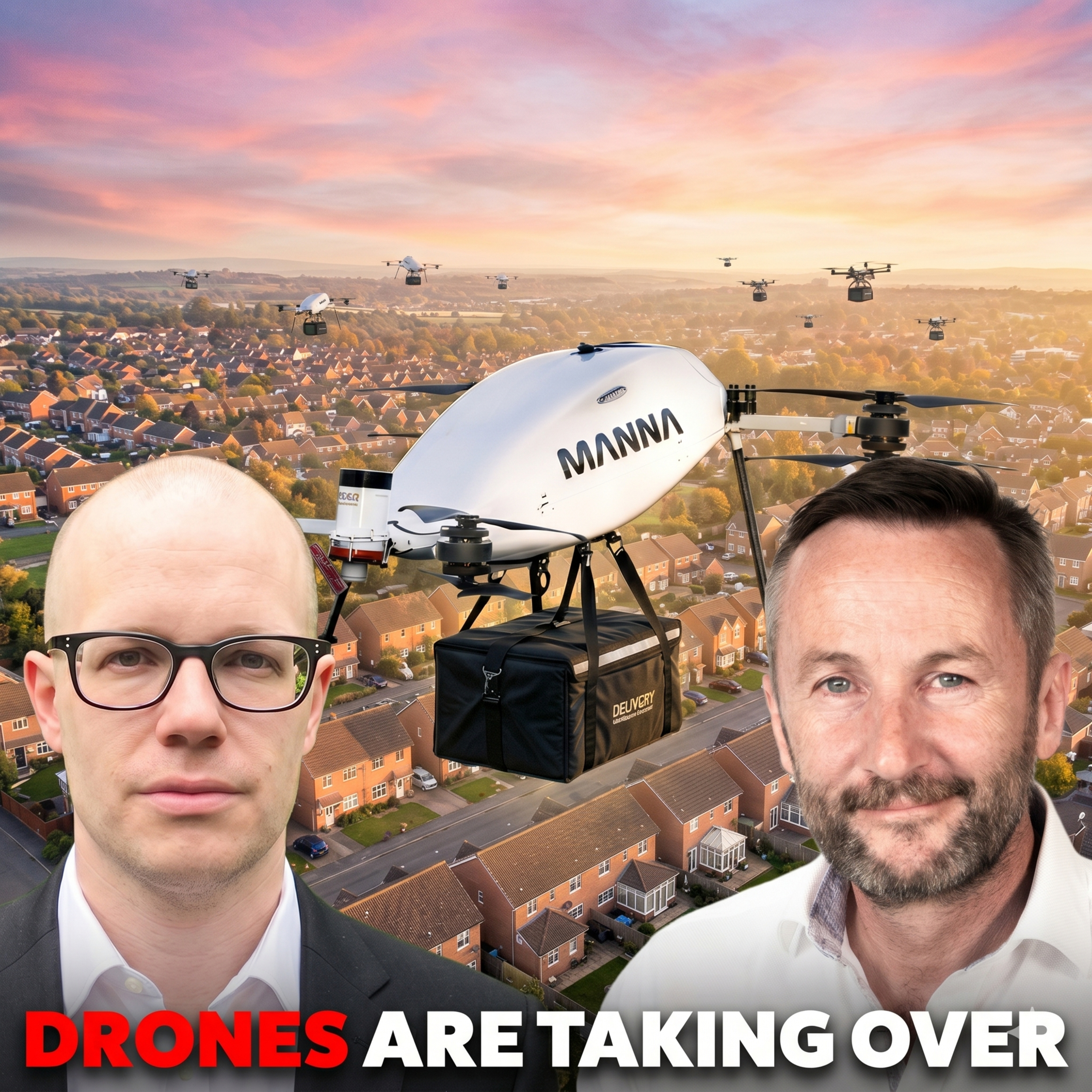
A recent executive order and new FAA regulations (like the upcoming Part 108) have dramatically accelerated the path to scaling drone operations in the US. This policy shift has transformed the country into the most attractive market globally, enabling approvals in 30 days that previously took years.
The attempt to preserve competition by blocking the JetBlue-Spirit merger ultimately led to Spirit's likely failure. A better regulatory approach focuses on ensuring fair access to limited resources (like airport gates) rather than blocking consolidation, a natural market mechanism.