Get your free personalized podcast brief
We scan new podcasts and send you the top 5 insights daily.
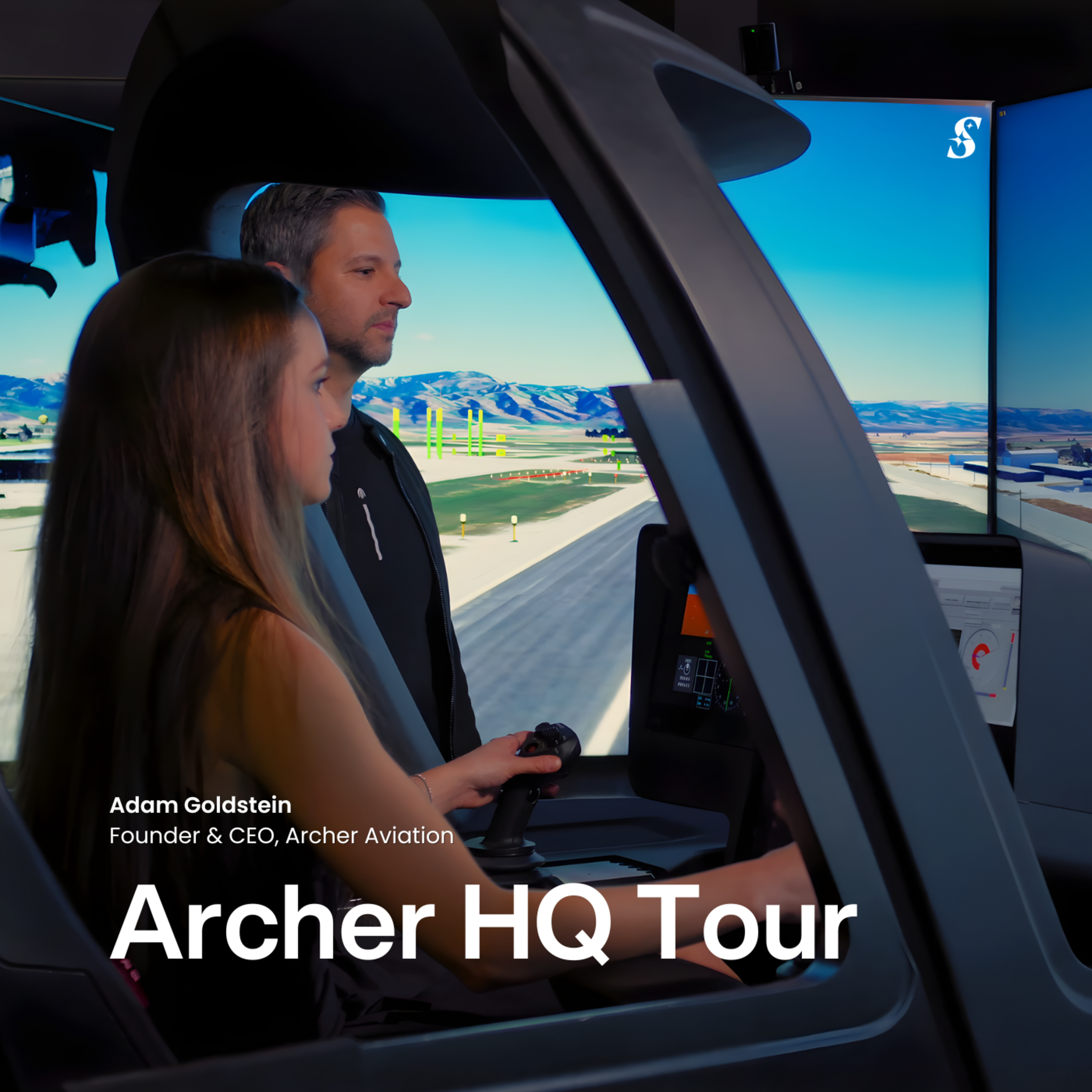
Archer's CEO claims that flying their aircraft autonomously is "pretty easy," but the existing air traffic control (ATC) system makes it impossible. Today's ATC relies on manual, voice-based communication between pilots and controllers, an infrastructure that cannot support automated flight systems, even if they are technologically safer.

Related Insights
Figure founder Brett Adcock, previously of Archer Aviation, states that electric aircraft technology is viable today. The primary gating factor for widespread adoption is the lengthy and complex safety, certification, and policy process with federal bodies like the FAA in the US and EASA in Europe.

The founders initially focused on building the autonomous aircraft. They soon realized the vehicle was only 15% of the problem's complexity. The real challenge was creating the entire logistics ecosystem around it, from inventory and fulfillment software to new procedures for rural hospitals.

By coining the term 'low altitude economy,' China is signaling a deliberate, top-down industrial strategy to own the market for autonomous flying vehicles (EVTOLs) and delivery drones. This isn't just about a single company; it's about creating and regulating a new economic sector to establish a global manufacturing and operational lead.

Beyond technology and cost, the most significant immediate barrier to scaling autonomous vehicle services is the fragmented, state-by-state regulatory approval process. This creates a complex and unpredictable patchwork of legal requirements that hinders rapid, nationwide expansion for all players in the industry.

The seamless experience of an autonomous vehicle hides a complex backend. A subsidiary company, FlexDrive, manages a fleet for services like cleaning, charging, maintenance, and teleoperation. This "fleet management" layer represents a significant, often overlooked, part of the AV value chain and business model.

Creating a new hardware category in a regulated space like aviation requires more than capital; it demands proactive government engagement to write new laws. Archer initiated efforts to establish the regulatory framework for its eVTOL aircraft, demonstrating the necessity of shaping policy for market creation.
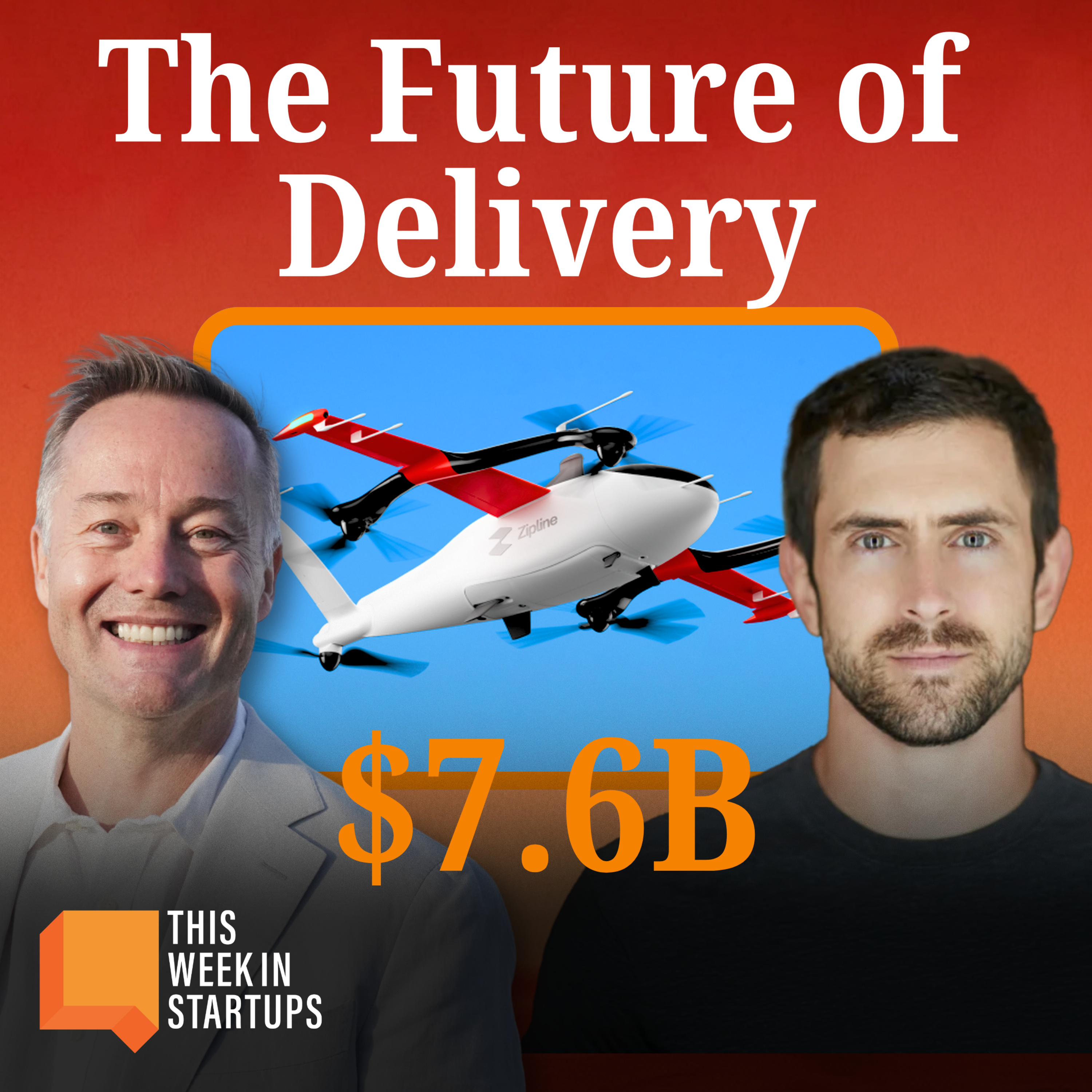
Zipline's CEO reveals the aircraft is a small part of their solution. The real challenge and value lie in the vertically integrated network: ground infrastructure, traffic management, regulatory approval, and customer-facing apps.
While Figure's CEO criticizes competitors for using human operators in robot videos, this 'wizard of oz' technique is a critical data-gathering and development stage. Just as early Waymo cars had human operators, teleoperation is how companies collect the training data needed for true autonomy.
To achieve scalable autonomy, Flywheel AI avoids expensive, site-specific setups. Instead, they offer a valuable teleoperation service today. This service allows them to profitably collect the vast, diverse datasets required to train a generalizable autonomous system, mirroring Tesla's data collection strategy.

The public holds new technologies to a much higher safety standard than human performance. Waymo could deploy cars that are statistically safer than human drivers, but society would not accept them killing tens of thousands of people annually, even if it's an improvement. This demonstrates the need for near-perfection in high-stakes tech launches.