Get your free personalized podcast brief
We scan new podcasts and send you the top 5 insights daily.
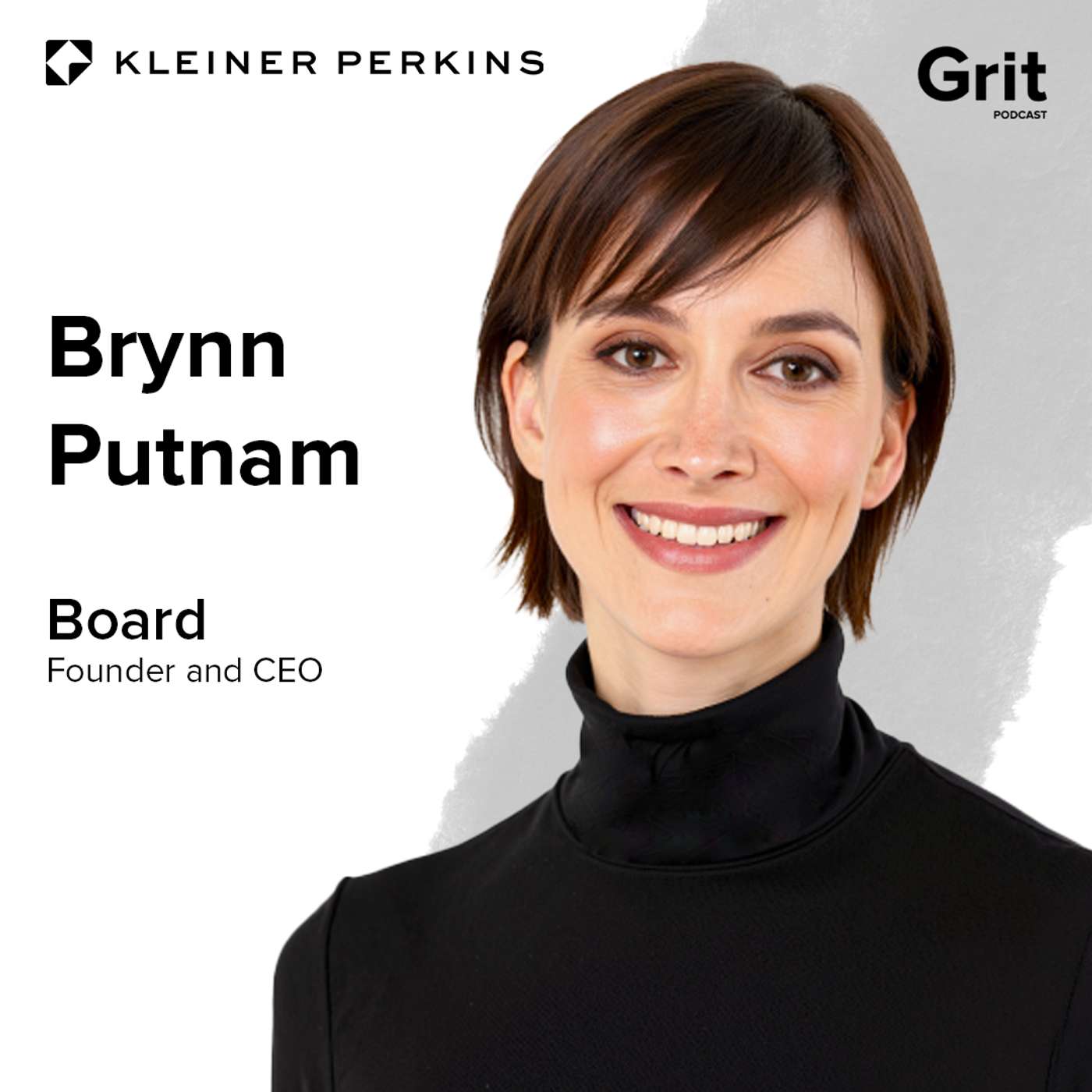
Instead of a functional prototype, Mirror's founder raised a seed round with a "smoke and mirrors" version: an animated video behind one-way glass. This focused on selling the *feeling* and brand experience to investors, proving demand before spending capital on complex engineering.
Related Insights
Before raising venture capital for Mirror, founder Bryn Putnam bootstrapped the initial year of R&D using profits from her four successful fitness studios. This provided non-dilutive capital and a safety net, allowing her to explore the high-risk hardware concept without immediate investor pressure.
A massive valuation for a "seed" round can be misleading. Often, insiders have participated in several unannounced, cheaper tranches. The headline number is just the final, most expensive tier, used to create FOMO and set a high watermark for new investors.

Validate business ideas by creating a fake prototype or wireframe and selling it to customers first. This confirms demand and secures revenue before you invest time and money into development, which the speaker identifies as the hardest part of validation.

The speaker advocates a four-step model: Validate, Pre-sell, Deliver, then Build. This approach prioritizes collecting payment based on a well-defined offer document before investing resources into product development, ensuring market demand and initial cash flow from day one.
Instead of creating traditional pitch decks he wasn't skilled at, Perplexity's CEO successfully raised funds from prominent investors like Yann LeCun by simply sending a link to the product. This highlights that a compelling, working product can be the most effective fundraising tool.

Verkada sold its entire cloud platform not on a daily feature, but on the 'magic' of texting a live camera link. This simple action showcased the platform's modern capabilities in a way legacy systems couldn't, creating an unforgettable 'aha' moment that made the entire value proposition click for buyers.
To de-risk their unconventional idea, Liquid Death created a fake ad and a Facebook page to test market reception. They secured millions of views and 80,000 followers, proving demand and generating traction that was crucial for raising capital, turning a concept into an investable business.

Moonshot AI's CEO effectively sells his product by "vision casting"—framing it not as an e-commerce tool but as a partner that enables businesses to thrive. This focus on the ultimate outcome, rather than product features, resonates deeply with customers and powerfully articulates the value of a complex AI solution.

Crisp.ai's founder advocates for selling a product before it's built. His team secured over $100,000 from 30 customers using only a Figma sketch. This approach provides the strongest form of market validation, proving customer demand and significantly strengthening a startup's position when fundraising with VCs.
Validate market demand by securing payment from customers before investing significant resources in building anything. This applies to software, hardware, and services, completely eliminating the risk of creating something nobody wants to buy.