Get your free personalized podcast brief
We scan new podcasts and send you the top 5 insights daily.
When someone tells a pro-social lie to protect feelings, the recipient may trust their intentions more (benevolence-based trust) but trust the literal truth of their statements less (integrity-based trust), creating a complex dynamic in the relationship.

Related Insights
In studies, participants preferred to hire or date people who admitted to negative acts (e.g., being reprimanded) over those who chose a "decline to answer" option. The act of conspicuous concealment is perceived as a fundamental breach of trust that is judged more harshly than the disclosed flaw itself.
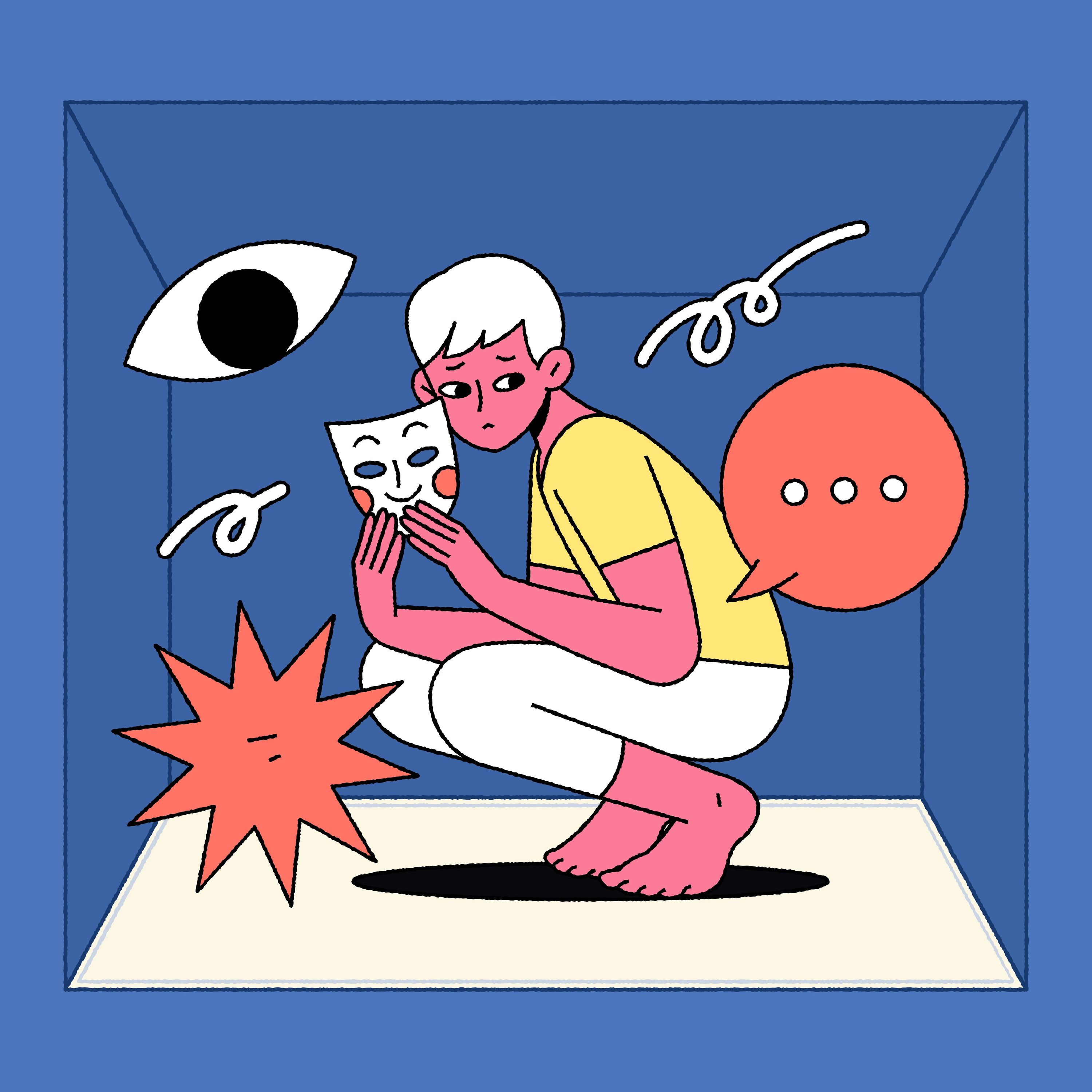
In disclosure dilemmas, we fixate on the immediate risks of speaking up (e.g., seeming petty). However, the often-ignored risks of staying silent—such as festering resentment and preventing others from truly knowing you—can be far more damaging in the long run.

While we claim to value directness, relationships are built on shared fictions and assumptions that would be destroyed by blunt honesty. For example, explicitly stating the limits of a friendship ('I can only talk for 25 minutes') would kill it, even if true. Indirectness is necessary to maintain these foundational ground rules.
People are far more willing to lie to someone in a vulnerable state. In a study, only 3% would lie to an underperforming employee, but that number jumped to nearly 20% if the employee's father had just been hospitalized.
When a man shares a truth that upsets a woman, she often reacts with displeasure, believing her emotional response will compel him to change his reality. Instead, it teaches him that telling the truth is not worth the negative consequences, effectively training him to withhold information in the future.

Small lies can snowball into major fraud because the brain habituates to the act of lying. With each lie, the emotional centers of the brain that signal negative feelings respond less strongly. This reduction in guilt or discomfort removes the natural barrier to escalating dishonesty.

Thomas Mueller-Borja views honesty as selfishly practical, as dishonesty is energetically draining. However, he places kindness higher in his value hierarchy. In situations of tension, choosing the kind path may trump absolute honesty, especially when recognizing that everyone holds their own version of the truth.

A lie intended to be benevolent backfires when the recipient believes the withheld information was necessary. The host's mother lied about COVID exposure to avoid stress, but it was seen as a paternalistic betrayal because the host felt the information was critical.
People are more effective at deceiving others about their true motivations when they first deceive themselves. Genuinely believing your own pro-social justification for a self-interested act makes the act more compelling and convincing to others.
When trying to deceive someone, admitting a genuine, less critical flaw can make you seem honest and self-aware. This vulnerability makes the primary lie more credible because the listener thinks, "Why would they tell me this bad thing if the other part wasn't true?"
