Get your free personalized podcast brief
We scan new podcasts and send you the top 5 insights daily.
A lie intended to be benevolent backfires when the recipient believes the withheld information was necessary. The host's mother lied about COVID exposure to avoid stress, but it was seen as a paternalistic betrayal because the host felt the information was critical.

Related Insights
The biggest professional and personal problems often stem from a lack of candor. Withholding honest feedback to "keep the peace" is a destructive act that enables bad behavior and builds personal resentment over time. Delivering the truth, even when difficult, is a gift that addresses problems head-on and prevents future failure.

In disclosure dilemmas, we fixate on the immediate risks of speaking up (e.g., seeming petty). However, the often-ignored risks of staying silent—such as festering resentment and preventing others from truly knowing you—can be far more damaging in the long run.

While truthfulness is a cornerstone of relationships, dementia care can create ethical conflicts where protecting a loved one from distress or greater harm, like institutionalization, outweighs a rigid adherence to the truth. "Therapeutic lying" can become a necessary, though difficult, tool for compassionate caregiving.

Being compassionate in communication isn't about softening the message to the point of ambiguity. It's about being exceptionally clear. After establishing safety, a direct and clear ask—even if the news is bad—is the most compassionate approach because it respects the other person by eliminating confusion.

People are far more willing to lie to someone in a vulnerable state. In a study, only 3% would lie to an underperforming employee, but that number jumped to nearly 20% if the employee's father had just been hospitalized.
Beyond outright falsehoods, a critical line in 'healthy politics' is avoiding lies of omission. Purposefully leaving out key information to sway a decision is a deceptive tactic that erodes long-term trust for a short-term win. It's as damaging as an explicit lie and destroys your credibility as a leader.

Jennifer's mother encouraged her to marry by sharing her own pre-wedding doubts but omitted that her marriage was open. This crucial half-truth gave false comfort, leading Jennifer into a marriage that ended in divorce. The incident shows how concealment by omission can be more deceptive and harmful than saying nothing at all.
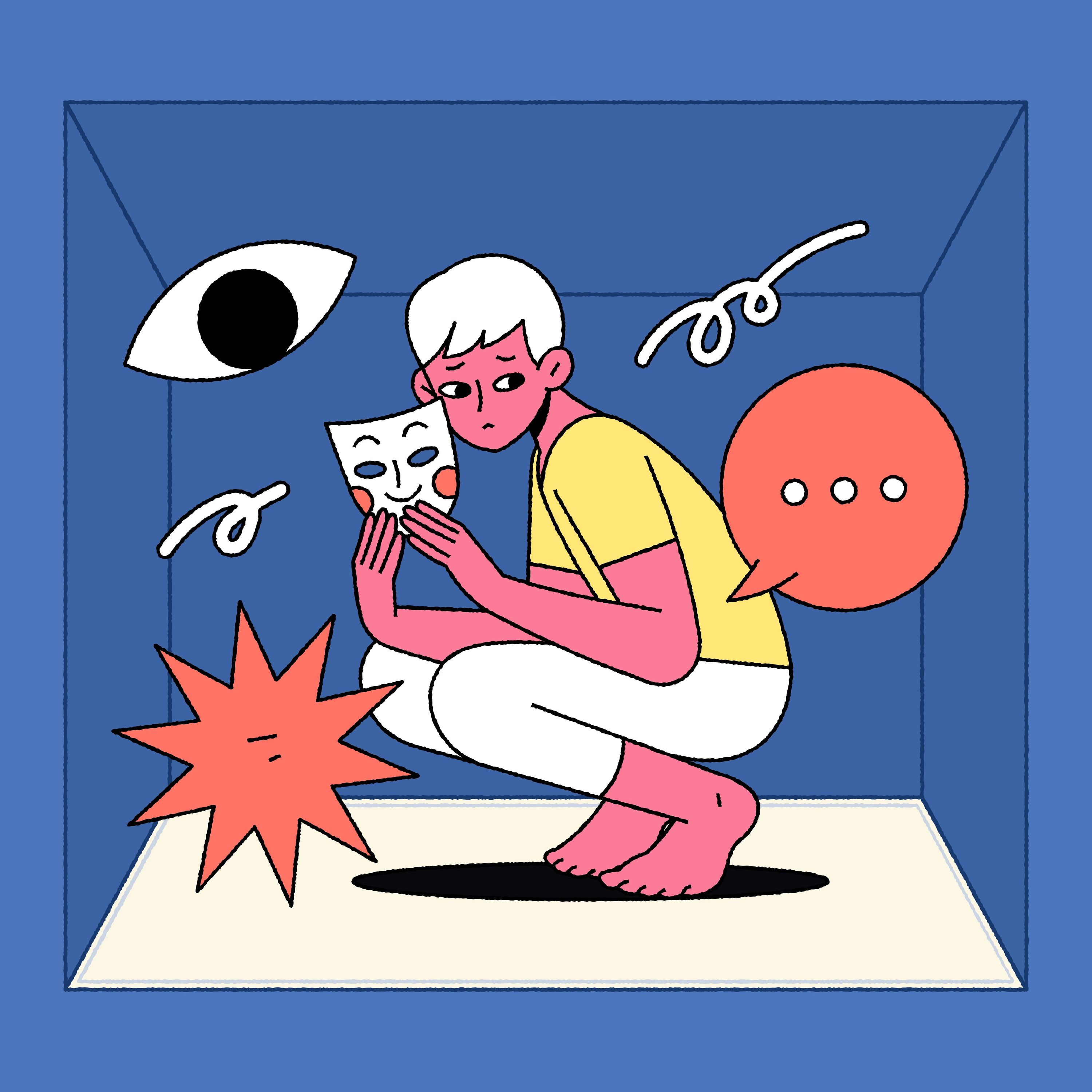
When someone tells a pro-social lie to protect feelings, the recipient may trust their intentions more (benevolence-based trust) but trust the literal truth of their statements less (integrity-based trust), creating a complex dynamic in the relationship.
Deceiving someone with severe dementia about a painful truth (like a death) is considered compassionate because they cannot properly process it. Telling the truth would only cause repeated grief without any benefit of understanding or growth.
We are culturally conditioned to fear saying "Too Much Information" (TMI). However, research shows the more significant issue is "Too Little Information" (TLI), where silence and holding back cause relationships to wither from a lack of connection and understanding.