Get your free personalized podcast brief
We scan new podcasts and send you the top 5 insights daily.
The narrative that AI-driven free time will spur creativity is flawed. Evidence suggests more free time leads to increased digital addiction, anxiety, and poor health. The correct response to AI's rise is not deeper integration, but deliberate disconnection to preserve well-being and genuine creativity.
![Media M&A - [Business Breakdowns, EP.230] thumbnail](https://megaphone.imgix.net/podcasts/8404be2a-a3c6-11f0-9d01-7b00b28a9d50/image/9a48597af1149c3b024e8d2f7327aa89.jpg?ixlib=rails-4.3.1&max-w=3000&max-h=3000&fit=crop&auto=format,compress)
Related Insights
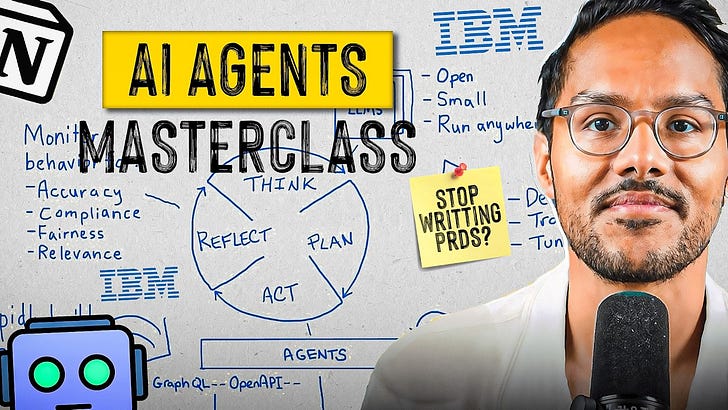
While AI tools once gave creators an edge, they now risk producing democratized, undifferentiated output. IBM's AI VP, who grew to 200k followers, now uses AI less. The new edge is spending more time on unique human thinking and using AI only for initial ideation, not final writing.
Constant productivity keeps the brain in a high-frequency "beta" state, which stifles creativity. To solve complex problems, you must intentionally shift to a slower "alpha" state by disconnecting. This is achieved through simple, non-distracting activities like walking in nature without your phone.

Beyond economic disruption, AI's most immediate danger is social. By providing synthetic relationships and on-demand companionship, AI companies have an economic incentive to evolve an “asocial species of young male.” This could lead to a generation sequestered from society, unwilling to engage in the effort of real-world relationships.

True creative mastery emerges from an unpredictable human process. AI can generate options quickly but bypasses this journey, losing the potential for inexplicable, last-minute genius that defines truly great work. It optimizes for speed at the cost of brilliance.
The true cost of social media isn't just the time spent posting; it's the constant mental energy dedicated to it—planning content, checking engagement, and comparing yourself to others. Stepping away frees up significant cognitive "white space," allowing for deeper, more strategic thinking.

We spend more time alone due to structural factors and technology that enable avoiding interaction. This 'interiority' is a self-reinforcing cycle: as we interact less, our social skills can atrophy and social inertia sets in, making it progressively more difficult and energy-intensive to re-engage with others.

Social media's business model created a race for user attention. AI companions and therapists are creating a more dangerous "race for attachment." This incentivizes platforms to deepen intimacy and dependency, encouraging users to isolate themselves from real human relationships, with potentially tragic consequences.

Unlike social media's race for attention, AI companion apps are in a race to create deep emotional dependency. Their business model incentivizes them to replace human relationships, making other people their primary competitor. This creates a new, more profound level of psychological risk.
Contrary to fears of a forced, automated future, AI's greatest impact will be providing 'unparalleled optionality.' It allows individuals to automate tasks they dislike (like reordering groceries) while preserving the ability to manually perform tasks they enjoy (like strolling through a supermarket). It's a tool for personalization, not homogenization.

The true ROI of AI isn't just efficiency; it's the opportunity to reallocate time from low-value tasks to uniquely human activities. Use the bandwidth gained to build deeper client relationships, foster community, and engage in creative work.