Get your free personalized podcast brief
We scan new podcasts and send you the top 5 insights daily.
AT&T's CMO credits her father's success as an MLB pitcher to his intense coachability. He constantly adapted his technique based on scout feedback, from hiding his curveball tip at age 14 to changing his pitch grip in college. This shows that a willingness to adapt is crucial, regardless of talent level.

Related Insights
To hire for traits over background, Mark Kosaglo suggests testing for coachability directly. Run a skill-based roleplay (e.g., discovery), provide specific feedback, and then run the exact same roleplay again. The key is to see if the candidate can actually implement the coaching, not just if they are open to receiving it.

Investors should view a founder's desire to learn skills like etiquette not as a weakness, but as a strong positive signal. It demonstrates humility, introspection, and a drive for self-improvement—key traits for a coachable and successful leader. The capacity for growth can be more valuable than pre-existing polish, identifying them as better long-term partners.

The greatest performers, from athletes to companies, are not just the most talented; they are the best at getting better faster. An obsession with root-cause analysis and a non-defensive commitment to improvement is the key to reaching otherwise unachievable levels of success.

When presented with a new strategy, high performers are drawn to it because they are mentally disciplined to be comfortable with risk. In contrast, middle and low performers often resist change because it feels like a personal judgment on their past methods, triggering fear and shame.

Salespeople often focus on being 'coachable' (receptive to feedback). A more powerful trait is humility—the proactive asking for help and recognition that success is a team effort. Humility unlocks collaboration and support, getting you further, faster than simply being open to advice.

Growth requires the discipline to choose environments that stretch your abilities, even if they're uncomfortable. It's easy to remain in 'safe' situations where you are the expert. High performers actively seek out groups and challenges where they are forced to grow and adapt.
The common advice to "follow your strengths" is insufficient for high achievement. Truly ambitious goals require you to become something more and develop entirely new skills. High performers focus on the goal and then systematically "build into" it by acquiring the necessary abilities, regardless of their current strengths.

Matt Spielman's coaching model focuses on identifying a client's signature strengths and past successes. Instead of smoothing out weaknesses with "sandpaper," he helps clients tap into what already works well to drive performance, viewing this as a more sustainable path to growth.
![[REPLAY] Matt Spielman – Executive Coaching in Asset Management (Capital Allocators, EP.210) thumbnail](https://static.libsyn.com/p/assets/f/b/7/6/fb76e1c8bfb69e8dd959afa2a1bf1c87/CA_Square_logo_light_background_6.26.24.jpg)
Amplitude's founder, an engineer, learned B2B sales not by reading books but by hiring an expert coach. He emphasizes that complex business skills are like learning a sport or an instrument; they require active practice and direct, critical feedback, a mistake many technically-minded founders make.

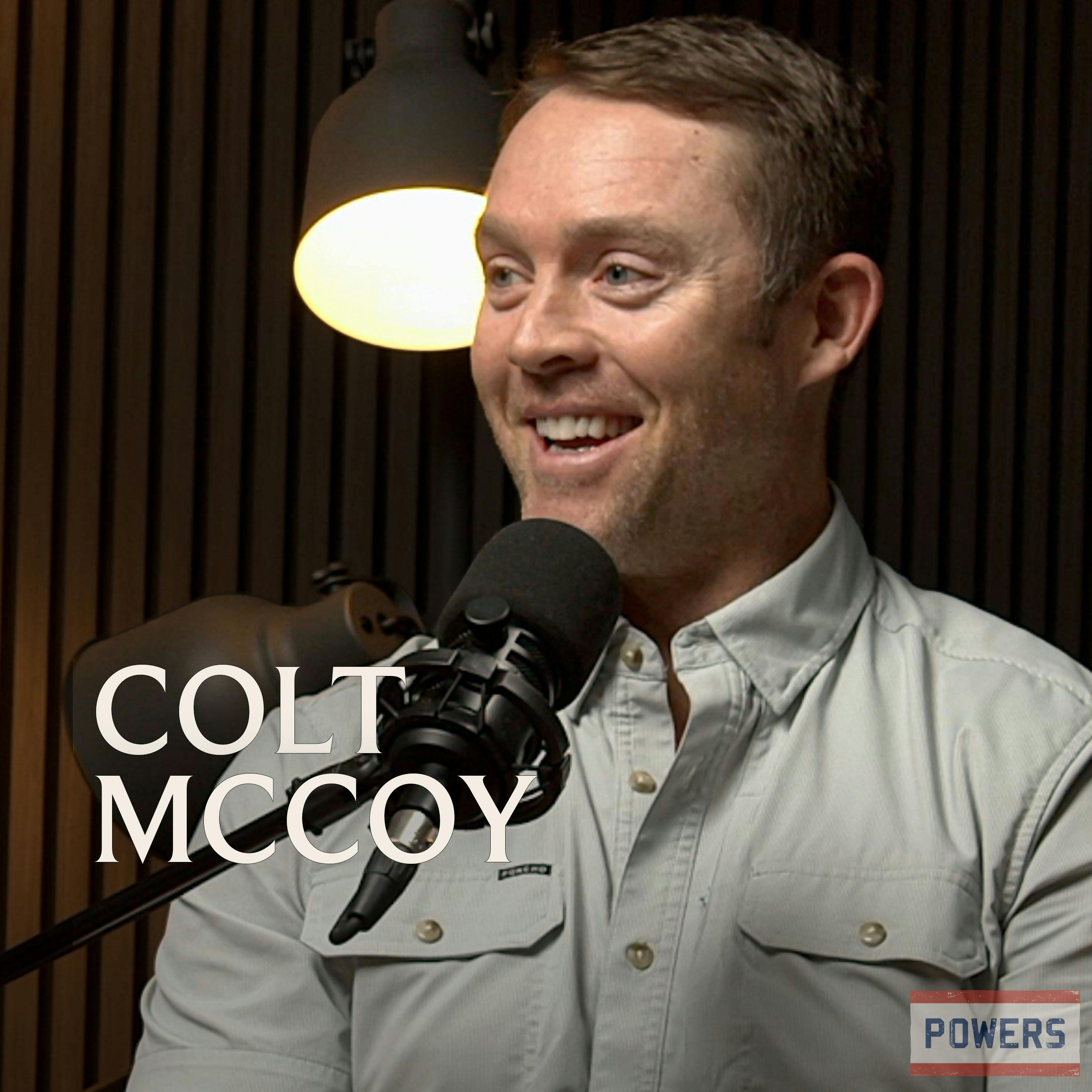
Succeeding NFL phenom Vince Young at Texas, Colt McCoy knew he couldn't match Young's physical gifts. He instead focused his energy on mastering the mental game—deeply understanding schemes, coverages, and play calls—to create his own unique and sustainable competitive advantage.