Get your free personalized podcast brief
We scan new podcasts and send you the top 5 insights daily.
It is more efficient to focus educational content and influence on the small percentage of people who are ready and willing to change. This receptive minority, which often self-selects, will generate the most impact from the information provided.

Related Insights
Instead of chasing broad audience growth, cultivate a deep relationship with your most engaged 1%. This small, dedicated group can provide invaluable feedback, drive engagement on demand, and act as a powerful sounding board for new ideas, becoming a strategic asset.

In an era of information saturation, general advice leads to inaction. By providing highly specific content for a narrow niche, you make your audience feel seen and understood. This drives them to act, allowing you to achieve greater impact with a smaller audience by focusing on depth over width.

Businesses often waste resources trying to convince skeptics. The real growth opportunity lies in identifying and capturing the small but significant market segment that is already looking for a solution like yours. Don't convince; find and convert those who already have conviction.

Only 5% of your audience is ready to buy. For the other 95%, the goal is to build "mindshare"—a runway of awareness and trust through valuable content. This ensures that when they eventually enter a buying cycle, your brand is already a known and respected entity.

Redefine the ROI of content and public appearances. Instead of aiming for mass appeal and vanity metrics like follower counts, focus on the profound, life-altering impact you can have on a very small number of people. This reframes the purpose from acquisition to impact.
In B2B marketing, reaching a small, highly relevant group of decision-makers is far more valuable than generating thousands of impressions or clicks from an unqualified audience. Focusing on the 'who' (the specific buyer profile) ensures marketing spend is efficient and drives real business results.

Instead of spending big on trendy mega-influencers, Gamma found success by scaling relationships with thousands of micro-influencers in niche, high-trust "echo chambers" like education. These smaller, authentic voices spread like wildfire within their communities, driving more effective growth.

To achieve massive reach, start with a hyper-specific target audience. By writing "The 4-Hour Workweek" for just two friends and marketing it to a narrow demographic in one city, Tim Ferriss created a concentrated ripple effect that naturally expanded to millions. A broad approach dilutes your message.
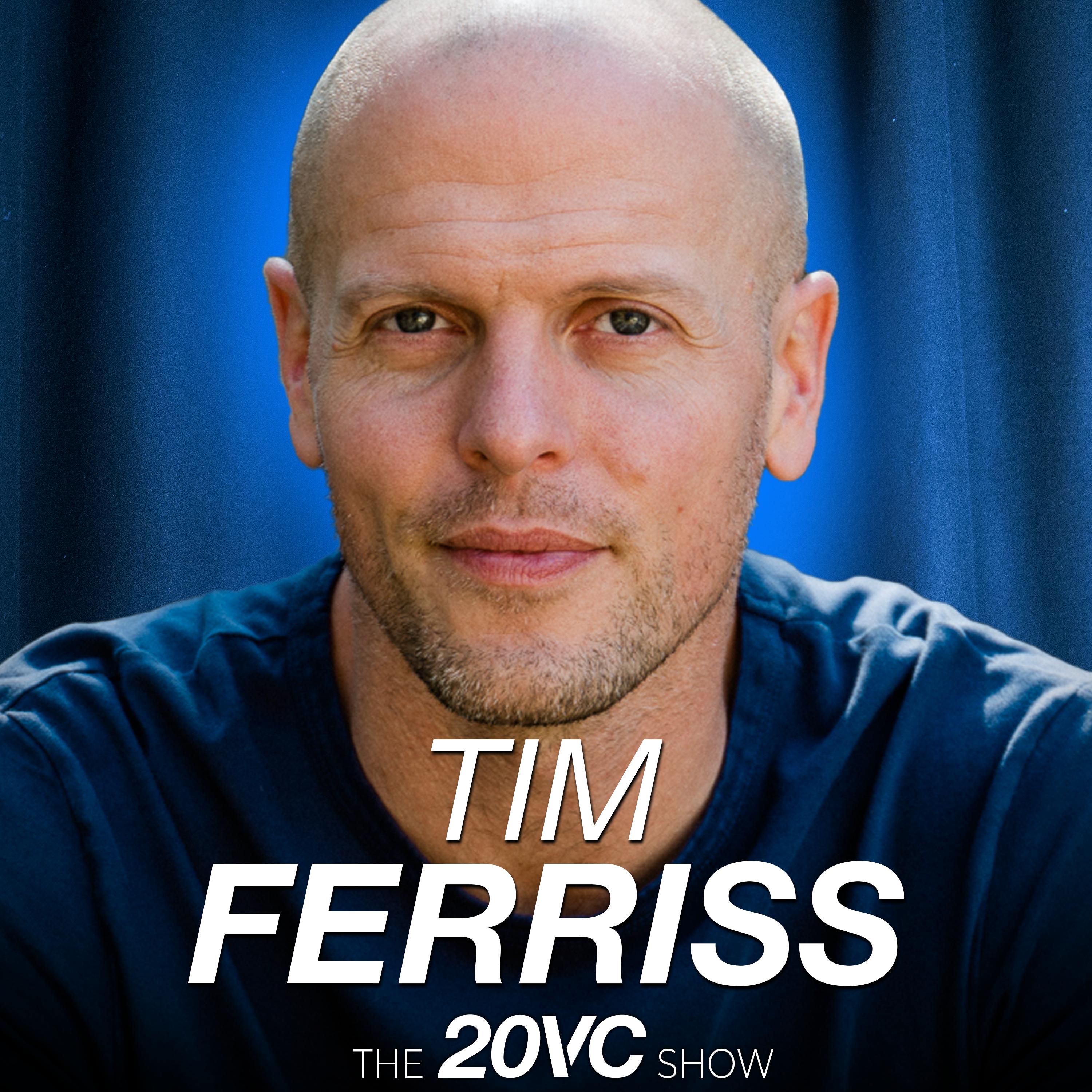
Don't try to reach everyone. Concentrate your marketing budget on the small group of individuals who set trends and influence the purchasing decisions of the masses. This target has shifted from radio DJs to social media creators like Alex Earle.

Most entrepreneurs mistakenly spend 80% of their time creating content and only 20% on distribution. To maximize impact, flip this ratio. Spend 20% of your time on high-value creation and 80% on strategic promotion to ensure your work actually gets found by the right audience.