Get your free personalized podcast brief
We scan new podcasts and send you the top 5 insights daily.
In an era of information saturation, general advice leads to inaction. By providing highly specific content for a narrow niche, you make your audience feel seen and understood. This drives them to act, allowing you to achieve greater impact with a smaller audience by focusing on depth over width.

Related Insights
Instead of traditional marketing, using obscure channels forces your most dedicated fans to dig for information. This transforms them into evangelists who spread the word to the wider, more passive audience, creating an organic and powerful marketing engine built on scarcity and discovery.

General advice is easily dismissed. By providing hyper-specific guidance tailored to a customer's unique context, like gardening tips for their exact climate zone via geo-targeted ads, you demonstrate a deep understanding of their problem. This specificity builds immense trust and confidence.

A16z discovered their most successful content wasn't market commentary ("are we in a bubble?") but timeless, practical guides like "Good Product Manager, Bad Product Manager." This type of actionable content provides enduring utility to the target audience (entrepreneurs), building a deeper, more trusting relationship than fleeting, topical chatter.

Instead of spending big on trendy mega-influencers, Gamma found success by scaling relationships with thousands of micro-influencers in niche, high-trust "echo chambers" like education. These smaller, authentic voices spread like wildfire within their communities, driving more effective growth.
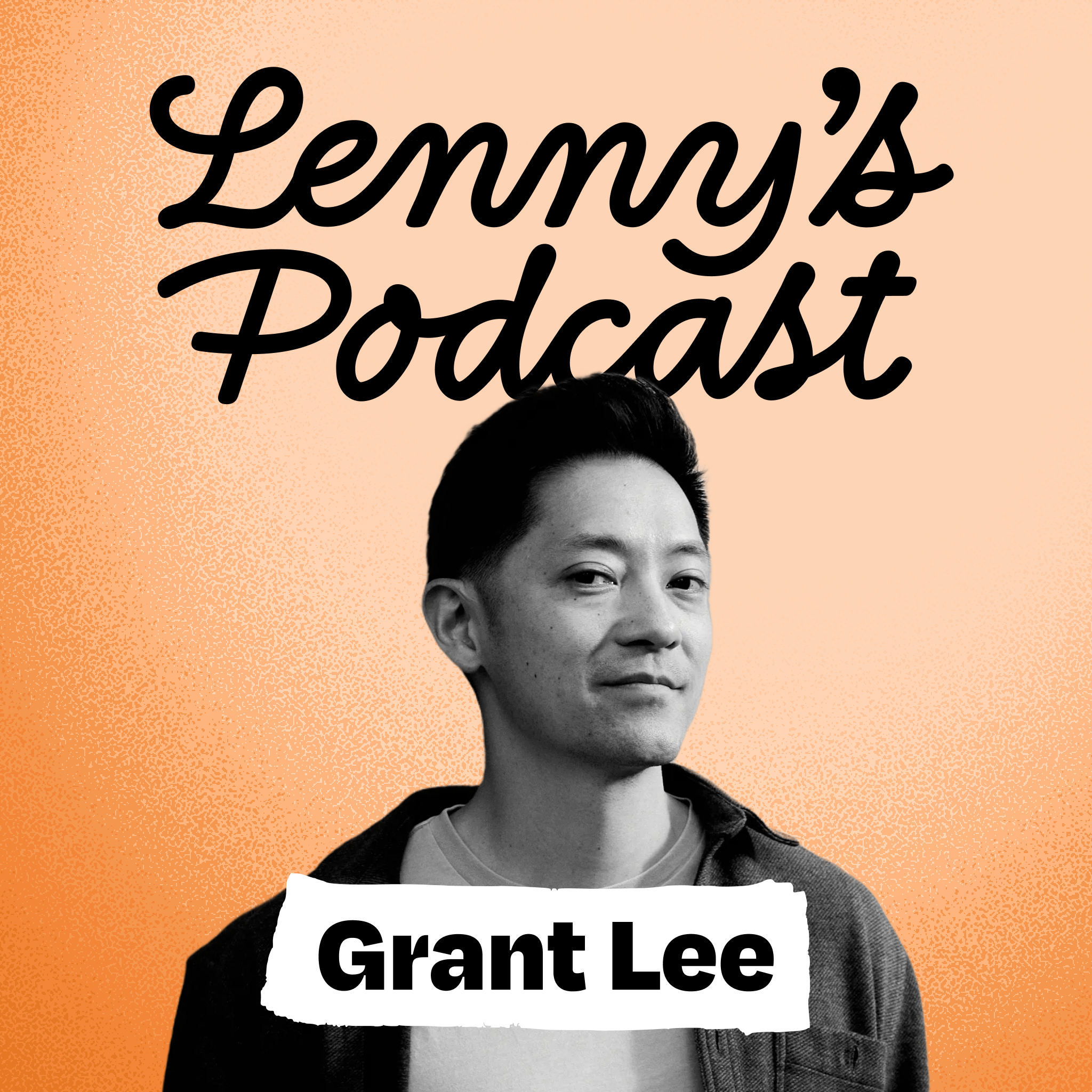
To achieve massive reach, start with a hyper-specific target audience. By writing "The 4-Hour Workweek" for just two friends and marketing it to a narrow demographic in one city, Tim Ferriss created a concentrated ripple effect that naturally expanded to millions. A broad approach dilutes your message.
Covering multiple unrelated topics on a single YouTube channel—a "carnival channel"—fragments your audience and confuses the algorithm. Focusing on a single, clear niche is essential for building a loyal, engaged community around a core value proposition.

For specialized products, user motivation is more critical than age or location. Focusing on the user's mindset, life stage, and readiness for change (psychographics) can lead to significantly higher engagement and retention than targeting a broad demographic group that may not be ready for the solution.

Podcast listeners have higher average household incomes and greater purchasing intent. A small, dedicated audience built through the intimacy of audio is more valuable for monetization via courses and consulting than a massive but disengaged social media following.
While long-tail SEO has become less effective, it's a primary strategy in AEO. Users ask longer, more conversational questions (25 words on average vs. 6 for search). Companies can win by creating content that answers very specific, niche questions that have never been searched for before.