Get your free personalized podcast brief
We scan new podcasts and send you the top 5 insights daily.
Don't try to reach everyone. Concentrate your marketing budget on the small group of individuals who set trends and influence the purchasing decisions of the masses. This target has shifted from radio DJs to social media creators like Alex Earle.

Related Insights
Instead of chasing broad audience growth, cultivate a deep relationship with your most engaged 1%. This small, dedicated group can provide invaluable feedback, drive engagement on demand, and act as a powerful sounding board for new ideas, becoming a strategic asset.

Only 5% of your audience is ready to buy. For the other 95%, the goal is to build "mindshare"—a runway of awareness and trust through valuable content. This ensures that when they eventually enter a buying cycle, your brand is already a known and respected entity.

Instead of marketing to fragmented individuals, find niche communities whose core values align with your product's unique benefits. Converting these groups, like scrapbookers for a no-tape gift wrap, can spread your message like wildfire because they are powerful word-of-mouth amplifiers.

Social media has shifted from 'social' to 'interest' media, where the algorithm targets users based on the content they consume. Making hyper-specific content for your target audience is the most effective form of targeting. Resist making broad content for vanity metrics, as it won't reach qualified buyers.

Instead of spending big on trendy mega-influencers, Gamma found success by scaling relationships with thousands of micro-influencers in niche, high-trust "echo chambers" like education. These smaller, authentic voices spread like wildfire within their communities, driving more effective growth.

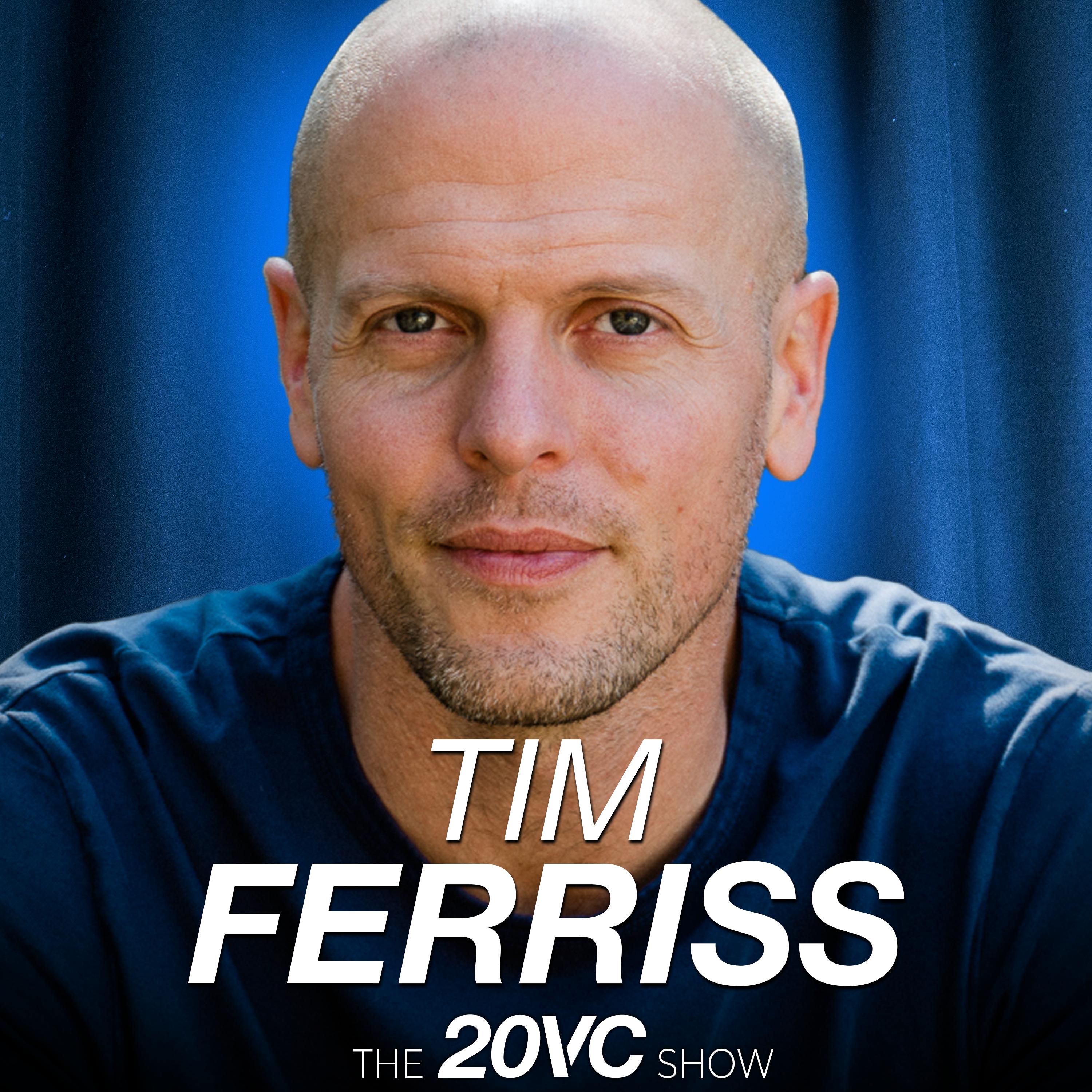
To achieve massive reach, start with a hyper-specific target audience. By writing "The 4-Hour Workweek" for just two friends and marketing it to a narrow demographic in one city, Tim Ferriss created a concentrated ripple effect that naturally expanded to millions. A broad approach dilutes your message.
The pursuit of mass reach and impressions is becoming obsolete. Engagement is significantly higher in smaller, niche creator communities. CMOs must solve the operational complexity of managing these fragmented communities, as this is where genuine connection and business impact will happen.

Unlike previous eras focused on broad, mass-market appeal, today's winning marketing strategy builds and mobilizes deep, committed tribes of followers. This 'cult and tribe' approach, exemplified by Elon Musk, secures capital, customers, and talent by fostering a phalanx of true believers.

Instead of testing every possible marketing channel, successful companies find one or two that produce power-law outcomes. This requires identifying your product's inherent advantages for distribution (e.g., social shareability for a consumer app) and doubling down there first.

Brands no longer seek influencers with broad appeal. They want to partner with creators who have a highly targeted, niche audience because it leads to better conversions. Position yourself as a specialist or community leader in a specific area to attract more valuable deals.