Get your free personalized podcast brief
We scan new podcasts and send you the top 5 insights daily.
Most entrepreneurs mistakenly spend 80% of their time creating content and only 20% on distribution. To maximize impact, flip this ratio. Spend 20% of your time on high-value creation and 80% on strategic promotion to ensure your work actually gets found by the right audience.

Related Insights
Aspiring creators often try to emulate the high-frequency output of established figures, leading to burnout. A more sustainable approach is to assess your personal capacity and build a realistic content cadence. This prioritizes longevity and quality over sheer volume, which yields better long-term results and avoids quitting on day one.

Drawing on Pareto's Principle, true growth isn't about working harder. It comes from identifying the 20% of your work that creates the most impact and having the courage to strategically eliminate the other 80%. This disciplined pursuit of less leads to exceptional results rather than diluted focus.
To escape the service fulfillment treadmill, professionals like barbers should intentionally reduce their income-generating hours by 20%. This time should be reinvested into learning a core skill like digital marketing and a breakout skill like content creation, creating leverage for long-term, non-linear growth.

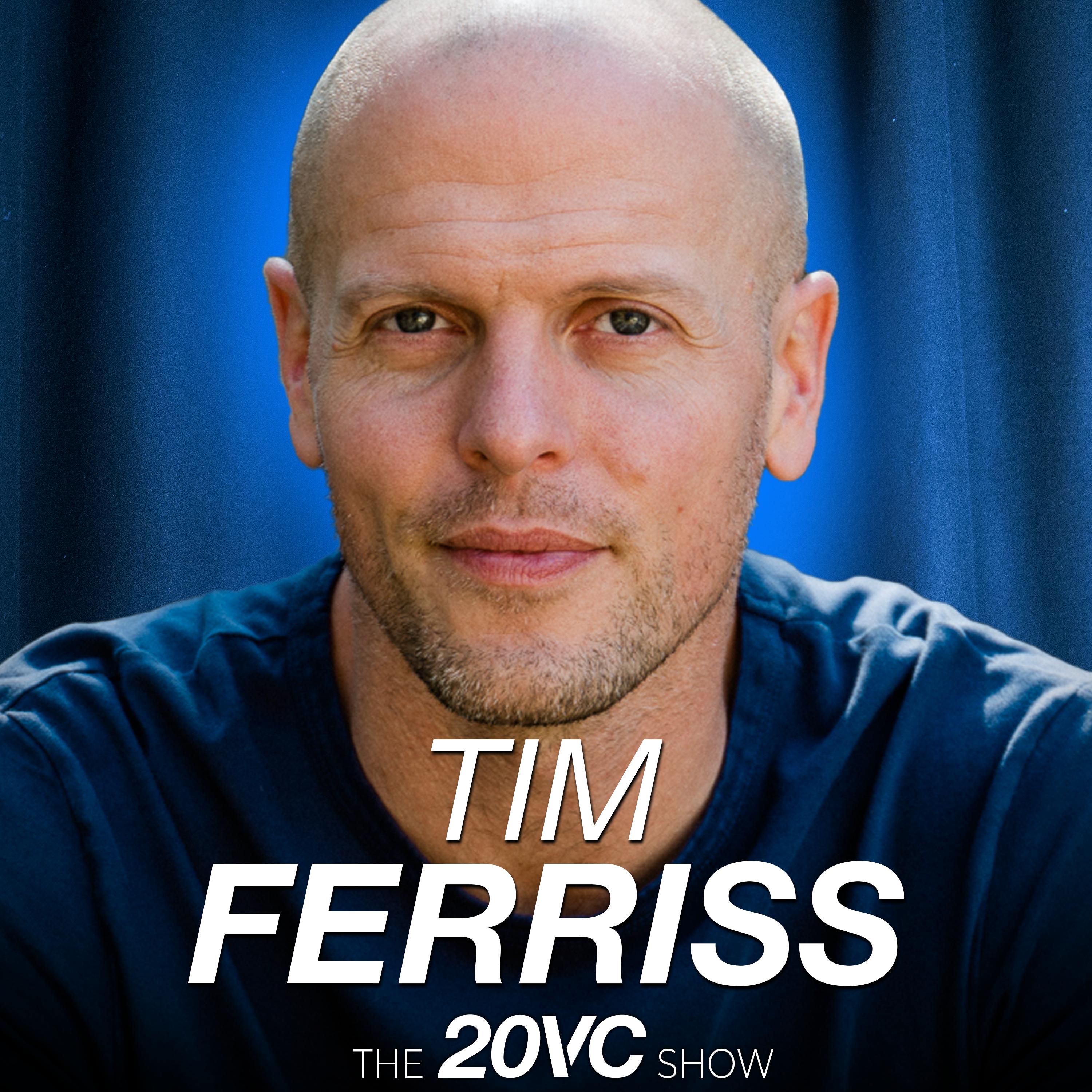
To achieve massive reach, start with a hyper-specific target audience. By writing "The 4-Hour Workweek" for just two friends and marketing it to a narrow demographic in one city, Tim Ferriss created a concentrated ripple effect that naturally expanded to millions. A broad approach dilutes your message.
Instead of maintaining a constant high volume, use it strategically in bursts to quickly acquire data on audience preferences. This “accordion method” allows you to discover what resonates, then contract your efforts into fewer, more in-depth pieces. This balances rapid learning with high-quality production for greater impact.
Constantly creating daily content to stay relevant is a business-killing treadmill. Instead, focus on building foundational, long-shelf-life assets like blog posts or podcast episodes. This evergreen content solves real problems and can be discovered for years, providing lasting value and leads without daily effort.
Encourage team members, not just founders or marketers, to build their personal brands by publicly sharing their learnings and journey. This creates an organic, multi-pronged distribution engine that attracts customers, top talent, and investors. It's a highly underrated and cost-effective go-to-market strategy.

Entrepreneurs often fall into a "hamster wheel" of creating massive amounts of content, like daily blog posts, without a clear purpose. This leads to burnout without tangible results like email sign-ups or sales. A single, strategic piece of content per week with a clear call-to-action is far more valuable and sustainable.
Traditional marketing often involves an 80/20 split of creation to promotion. Pinterest's structure lets you flip this. Create one core piece of content (the 20%) and then generate numerous unique pins pointing to it (the 80%), maximizing the reach and lifespan of each content asset with minimal new creation.
Most entrepreneurs are trapped doing things they believe they *should* do, leading to burnout with minimal results. The Pareto Principle suggests 80% of your results come from 20% of your efforts. By auditing your activities to find that 20%, you can eliminate busywork and focus only on what truly moves the needle.