Get your free personalized podcast brief
We scan new podcasts and send you the top 5 insights daily.
The 'hustle culture' of being first in and last out is a trap. True value comes from focusing on high-impact tasks that move the business forward, not simply completing a high volume of work. A five-hour high-impact task is better than a ten-hour low-impact one.

Related Insights
Counter to the 'hustle culture' narrative, business failure often isn't due to insufficient hard work. It stems from entrepreneurs expending immense energy on ineffective activities. Success requires focusing on a handful of the right strategic actions rather than trying to do everything at once.

Many professionals boast about working long hours, but this time is often filled with distractions and low-impact tasks. The focus should be on eliminating "whack hours"—unproductive time spent doom-scrolling or in pointless meetings—and working with deep focus when you're on the clock.

Hard work is an overrated success factor, ranking fourth or fifth in importance. The most critical variables are project selection (what you work on) and people selection (who you work with). Working hard in a bad market or with the wrong team yields limited returns. Choose your playing field first.

Early in your career, output is key. Past a certain threshold of success, however, you are compensated for the quality of your judgment, not the quantity of your work. Your highest leverage activity becomes making correct bets, which requires reorienting your life to maximize decision-making quality.

True effectiveness comes from focusing on outcomes—real-world results. Many people get trapped measuring inputs (e.g., hours worked) or outputs (e.g., emails sent), which creates a feeling of productivity without guaranteeing actual progress toward goals.

Rather than trying to be the top-ranked student by matching the 8-hour study days of her peers, Arista's CEO focused on a "rich ROI." By studying 3-4 hours to achieve top 10% results, she demonstrated an early instinct for optimizing effort for significant returns, rather than maximizing input for marginal gains. She calls this "playing the long game."

Instead of tracking hours or rewarding a "996" work culture, the V0 team's performance compass is business impact, measured in dollars. New hires are explicitly expected to deliver millions in impact within their first year by fixing issues that cause customer churn or frustration.

Sustainable high performance isn't about working manic hours. It is achieved by consistently identifying the single most important task each day and dedicating a two-hour, deep-work session to it. This disciplined focus leads to far greater output over time than unfocused, prolonged effort.
A superior prioritization framework calculates your marginal contribution: (Importance * [Success Probability with you - Success Probability without you]) / Time. This means working on a lower-priority project where you can be a hero is often more valuable than being a cog in a well-staffed, top-priority machine.

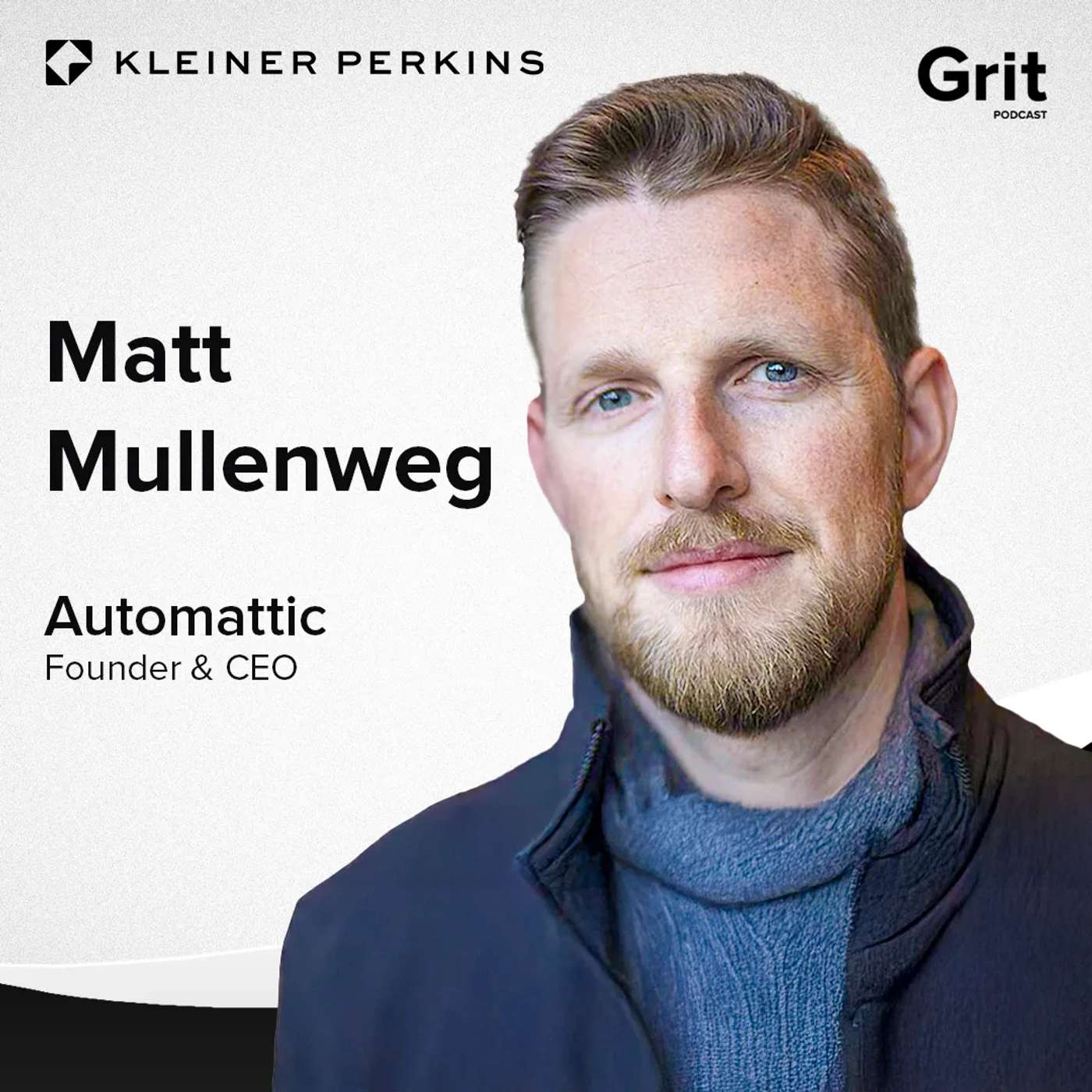
Success isn't about working nonstop. Matt Mullenweg argues that an entire year's outcome hinges on a few crucial moments—a key decision, a critical meeting, or a pivotal partnership. The wisdom brought to these 15-20 hours is what truly matters, not the total volume of work.