Get your free personalized podcast brief
We scan new podcasts and send you the top 5 insights daily.
Beyond just training, Arizona's government focused on raising public awareness of new semiconductor jobs. This marketing-style approach included promoting these careers in K-12 schools to build a future talent pipeline, reframing workforce development as a communications and branding challenge.
Related Insights
Unlike traditional defense contractors, Anduril's marketing targets the American public and potential employees, not just Pentagon buyers. The strategy is to build a transparent, powerful brand around national security to attract top talent who would otherwise avoid the historically opaque and controversial industry.

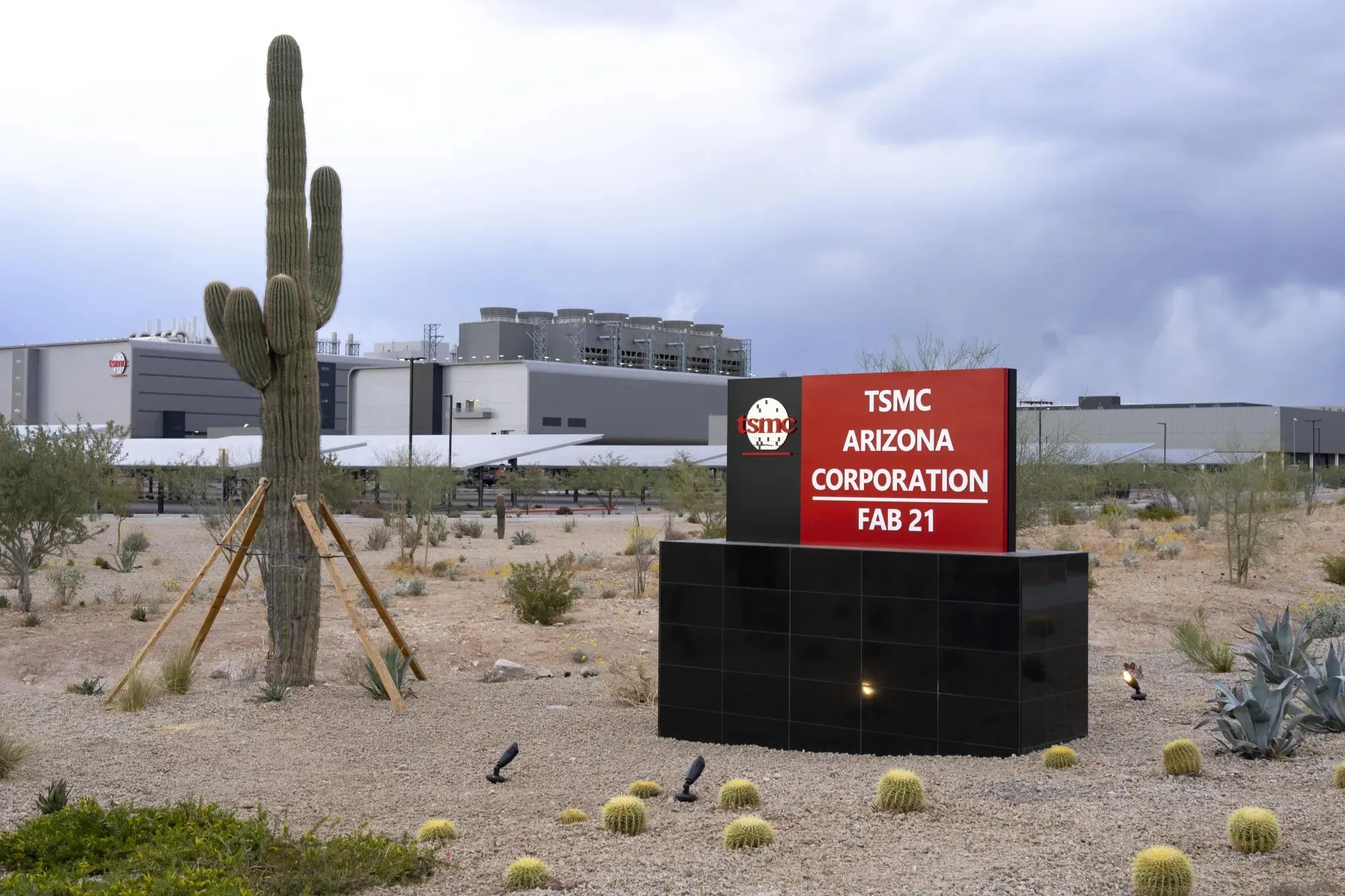
To attract and retain Taiwanese semiconductor workers, Arizona's development efforts extended beyond the factory gates to cultural integration. This included supporting Mandarin immersion in schools and celebrating new Taiwanese restaurants and a Costco, viewing quality of life as a key competitive advantage.
A thriving innovation economy cannot be sustained by only creating jobs for the highly educated. The most resilient strategies deliberately select tech sectors like cybersecurity and drone maintenance which offer a wide range of accessible jobs, creating pathways for the existing blue-collar workforce to upskill and participate.

One-off events like facility tours or guest speakers are ineffective for talent development. Successful programs require a structured, immersive curriculum co-created by the employer and a school partner, defining specific skills and learning objectives in a real-world environment.

A key benefit of attracting companies like Intel and TSMC is not just job creation, but talent retention. ASU has the nation's largest engineering school, but graduates historically left for jobs elsewhere. These new fabs provide compelling local opportunities, reversing the state's brain drain.
To compete with high private sector salaries, the U.S. Tech Force frames its roles as a service to the country, akin to the Peace Corps. This reframes the value proposition away from pure compensation and towards civic duty and resume prestige, making it more appealing to mission-driven talent who might otherwise not consider public sector work.

The national initiative to reshore manufacturing faces a critical human capital problem: a shortage of skilled tradespeople like electricians and plumbers. The decline of vocational training in high schools (e.g., "shop class") has created a talent gap that must be addressed to build and run new factories.

In niche sectors like aerospace engineering, the pool of senior, diverse talent is limited. A pragmatic strategy is to hire the best available senior specialists while intensely focusing diversity efforts on junior roles and internships. This builds a more diverse next generation of leaders from the ground up.

The tech industry often makes technical roles sound intimidating by equating them with coding. To attract new talent, companies should create apprenticeship programs, similar to those for electricians, that focus on practical skills like deploying vendor technology. This reframing makes the field more accessible to a wider pool of candidates.

When you can't find A-player technicians or specialized talent locally, stop looking locally. Profitable businesses should run national recruitment ads and offer a significant signing bonus or relocation package. This expands the talent pool exponentially and attracts motivated individuals.
