A major software vendor pitched a $50M deal directly to the DOE Chief of Staff, assuming top-level access was a shortcut. The pitch failed because they hadn't validated the need or built internal champions. High-level meetings are useless without foundational sales work proving a real problem exists for the organization.
Challenging the myth of slow government procurement, the Department of Energy completed an eight-figure software deal with a brand new vendor in just five weeks. This speed was possible because the vendor presented a strong ROI and a solution to an urgent, high-level problem, proving that bureaucracy can move fast for clear priorities.
In any complex organization, leaders face constant battles. A key strategy from the Secretary of Energy is to consciously let go of minor fights to conserve political capital and focus for the crucial ones. Getting fired up about every little thing leads to burnout and distracts from the ultimate mission.
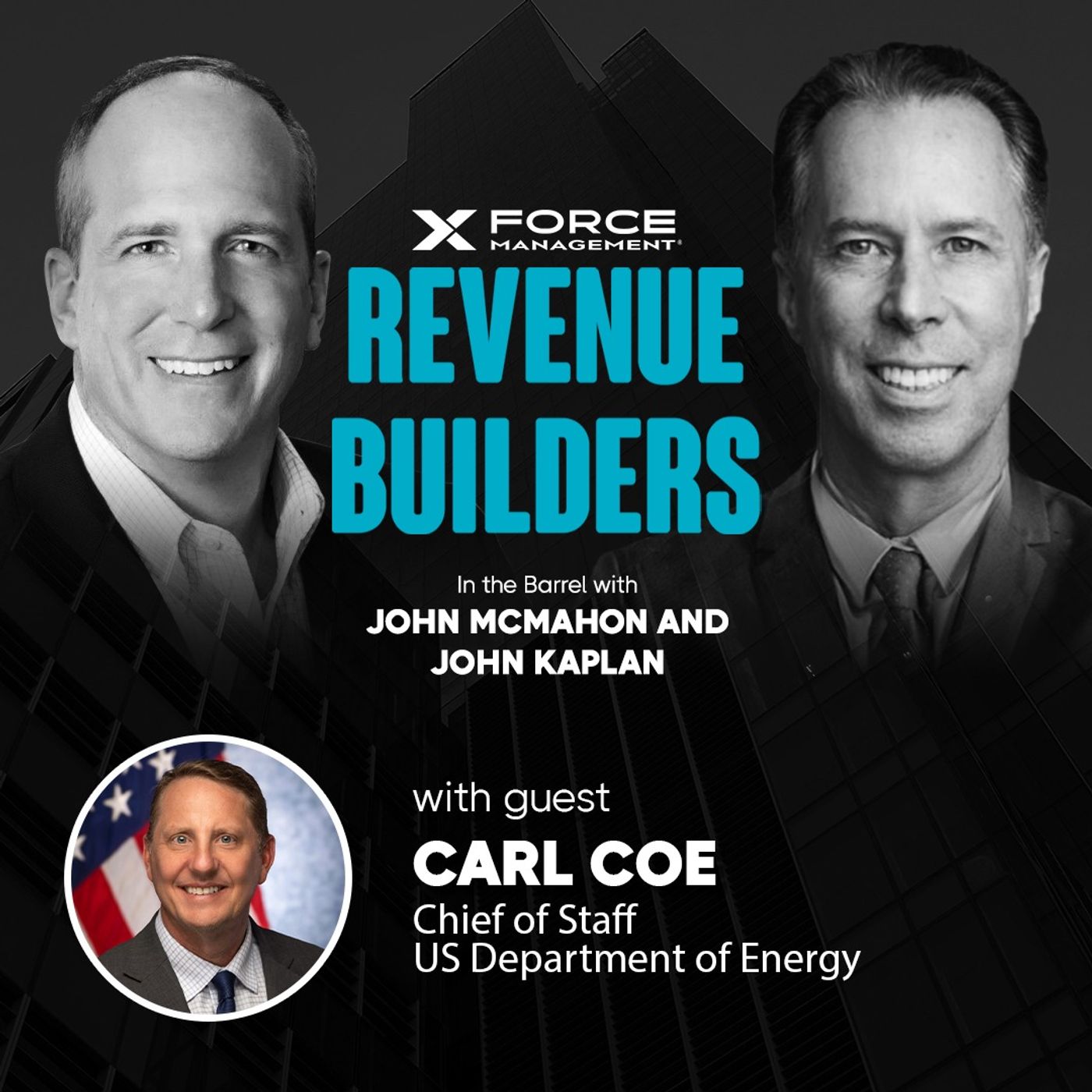
Carl Coe, Chief of Staff for the U.S. Secretary of Energy, found that foundational principles from his aggressive tech sales career—urgency, persistence, and qualification—are surprisingly effective for navigating and reforming the Department of Energy. These core tenets of high-growth business translate directly to pushing massive government initiatives forward.
To build a loyal and effective team, leaders should constantly make "deposits"—helping employees advance, improve, and do their jobs. This builds goodwill, so when a leader needs to make a "withdrawal" by asking for something, the team is happy to oblige. This applies to customers, employees, and government stakeholders alike.
The national initiative to reshore manufacturing faces a critical human capital problem: a shortage of skilled tradespeople like electricians and plumbers. The decline of vocational training in high schools (e.g., "shop class") has created a talent gap that must be addressed to build and run new factories.
The U.S. has the same 1.2 terawatts of power capacity it had in 1985. This stagnation now poses a national security risk, as the country must double its capacity to support AI data centers and reshoring manufacturing. The Department of Energy views solving this as a "Manhattan Project 2.0" level imperative.
To drive rapid change within the Department of Energy, Carl Coe prioritized building alliances with existing employees. Instead of forcing his way in, he spent significant time getting to know people and respecting the organization. This opened doors and fostered cooperation, which was critical for long-term success.