Get your free personalized podcast brief
We scan new podcasts and send you the top 5 insights daily.
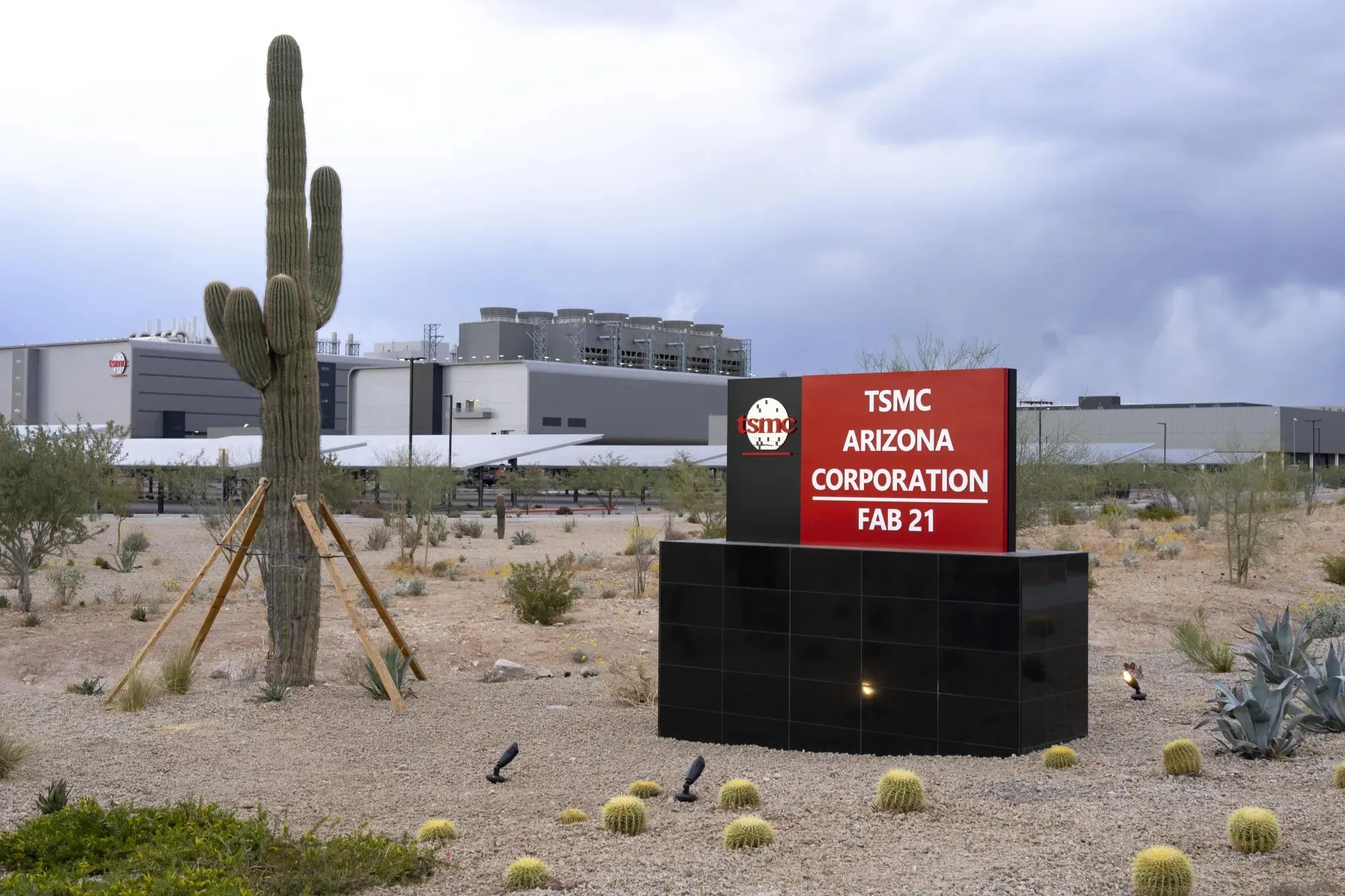
To attract and retain Taiwanese semiconductor workers, Arizona's development efforts extended beyond the factory gates to cultural integration. This included supporting Mandarin immersion in schools and celebrating new Taiwanese restaurants and a Costco, viewing quality of life as a key competitive advantage.
Related Insights
Arizona's support for TSMC's fab construction involved the governor's office mediating labor disputes over basic amenities like refrigerators and porta-potties. This demonstrates that executing grand industrial strategy relies on solving small, practical, on-the-ground problems for workers.
A key benefit of attracting companies like Intel and TSMC is not just job creation, but talent retention. ASU has the nation's largest engineering school, but graduates historically left for jobs elsewhere. These new fabs provide compelling local opportunities, reversing the state's brain drain.
A state's reputation with international firms is built through direct engagement like Governor Hobbs's trade missions to South Korea and Taiwan. Showing up in person creates a level of comfort and seriousness that phone calls cannot, translating a 'pro-business vibe' into tangible commitment.
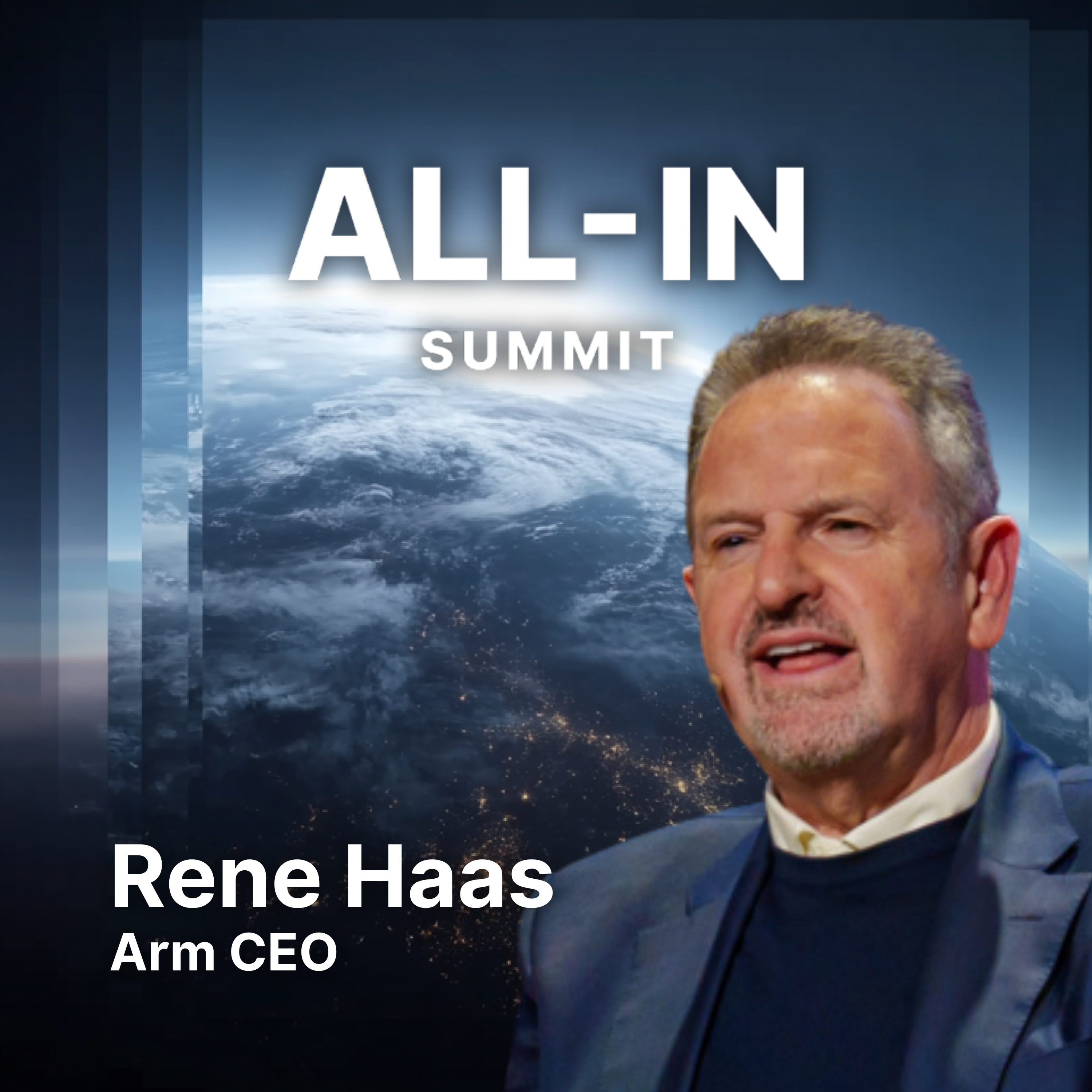
Arm's CEO argues the US has lost its 'muscle memory' for 24/7 manufacturing. The core issue is cultural: manufacturing isn't seen as a prestigious career, unlike in Taiwan where working for TSMC is highly esteemed. This cultural gap is a major hurdle for onshoring efforts.
Arizona's ability to build new industries quickly may stem from not being tied to a legacy identity like oil, gas, or automotive. This lack of 'industrial sediment' prevents the institutional inertia that can slow down other states from pivoting to new technologies like semiconductors.
Despite potential language or tax hurdles, Japan's high quality of life—including safety, public transport, and cuisine—is a powerful magnet for top international talent. Startups find it's a significant competitive advantage, making it easier to recruit globally than many expect.
Beyond just training, Arizona's government focused on raising public awareness of new semiconductor jobs. This marketing-style approach included promoting these careers in K-12 schools to build a future talent pipeline, reframing workforce development as a communications and branding challenge.
In talent-dense ecosystems like Massachusetts, CEOs must deliberately craft and brand their company culture to stand out and compete for top-tier scientists and executives. Simple things like team nicknames become part of this strategic branding.
Cities like San Francisco and New York act as global talent magnets because they project a powerful and specific "whisper," or core message, about what is valued there. For S.F., it's "build a startup." This clear signal attracts ambitious individuals worldwide who are aligned with that mission.

Beyond technology, Elon Musk's strategy for the TeraFab chip plant involves a deep cultural and talent play. He plans to build a "Taiwan town" and similar communities in Texas to recruit the world's best semiconductor engineers by recreating their home environments, a unique advantage over incumbents.
![Gavin Baker - Watts and Wafers - [Invest Like the Best, EP.473] thumbnail](https://megaphone.imgix.net/podcasts/3bc7d580-53ec-11f1-99c0-3bd245449e4f/image/31563a7dd10ea92493c934f0c1e723fe.jpg?ixlib=rails-4.3.1&max-w=3000&max-h=3000&fit=crop&auto=format,compress)