Get your free personalized podcast brief
We scan new podcasts and send you the top 5 insights daily.
Inde Wild successfully modernized the traditional Indian hair oiling ritual ('chumpy'), making it appealing to a new generation. This strategy of taking a familiar, nostalgic concept and repackaging it with a modern, 'cool' aesthetic resonates deeply with young consumers who are buying into reimagined versions of old traditions.

Related Insights
A brand's history is a valuable asset. The most powerful ideas for future growth are often rooted in the brand's 'archaeology.' Reviving timeless concepts, like the Pepsi Taste Challenge, and making them culturally relevant today is often more effective than chasing novelty.

Nutter Butter, a 55-year-old brand, successfully engaged a younger audience by embracing absurdist, meme-style humor. This risky strategy, while potentially alienating some, is effective for generating deep brand love because it requires taking a bold, creative stand.
Enduring 'stay-up' brands don't need to fundamentally reinvent their core product. Instead, they should focus on creating opportunities for consumers to 'reappraise' the brand in a current context. The goal is to make the familiar feel fresh and relevant again, connecting it to modern culture.
The generation most immersed in digital life is developing a powerful nostalgia for a pre-internet world they've only seen in media. This drives trends like 'digital defiance' and an appreciation for analog products. Brands can tap into this by offering experiences that feel authentic and non-digital.
Molson Coors revitalized its Coors Banquet brand by doubling down on its authentic, 150-year-old Western identity. This strategy resonated with a younger, legal-drinking-age Gen Z audience seeking authenticity, proving that heritage can bridge generational divides.
Much like France is associated with fine wine and skincare, India has a strong global reputation for hair care expertise. This subconscious association provides Indian hair care brands with immediate credibility and a powerful narrative when entering Western markets, as consumers are already primed to believe in the product's efficacy.
Stuckey's, a nostalgic snack brand, wants to appeal to a new generation. The counterintuitive advice is to first double down on its existing, older customer base that already has brand recognition. Tapping out this core market is a more efficient first step than building awareness from scratch with a new demographic.

Brands perceived as "corny" or "outdated" can be highly successful. They cater to a massive, loyal market that tastemakers and the "chattering class" often ignore, proving that broad appeal can be more profitable than being "cool."
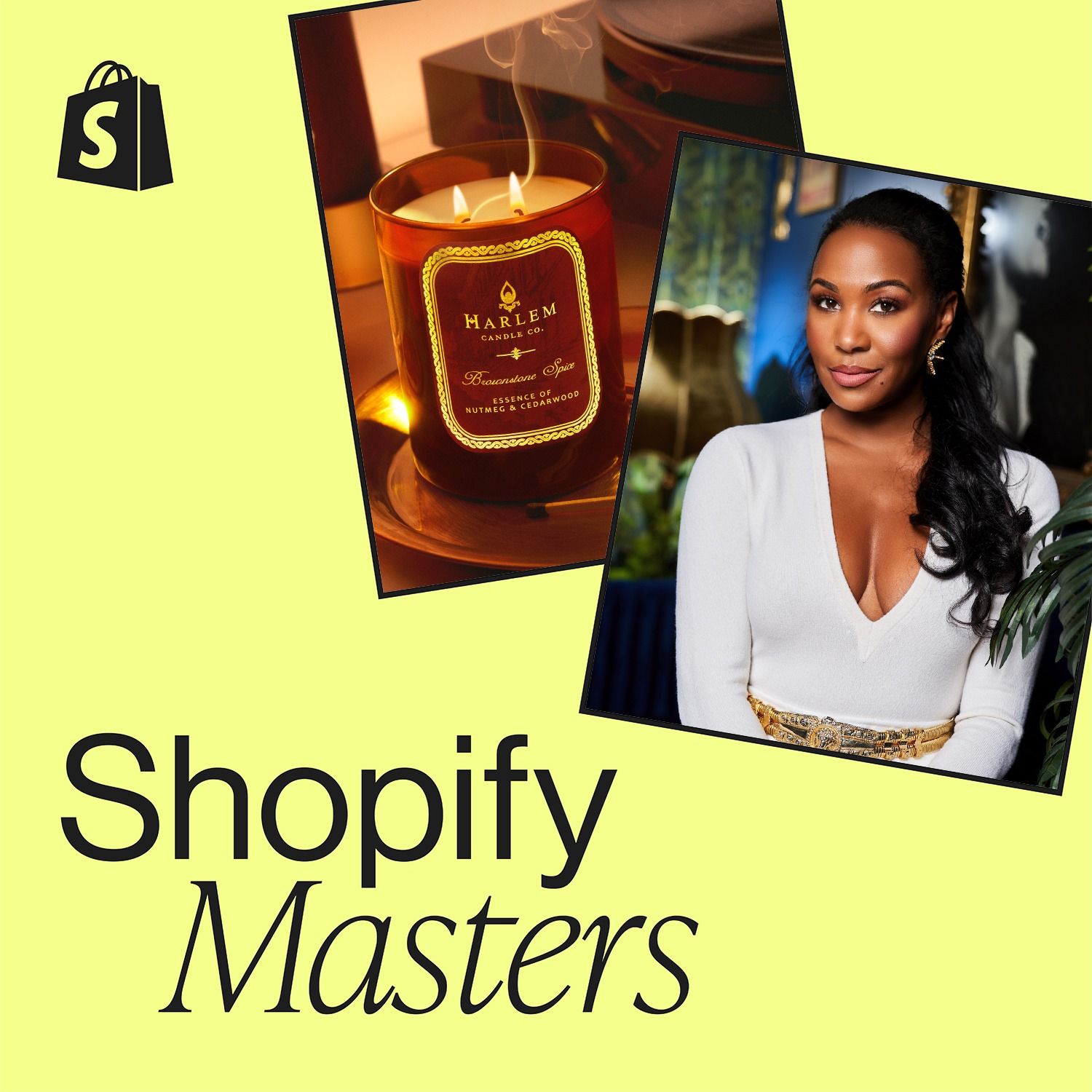
To stand out in the saturated candle market, founder Terry Johnson drew from her personal passion for the Harlem Renaissance, inspired by her time studying in Paris. This authentic connection to a specific cultural history gave the brand a unique “soul” that resonated deeply with customers.
Instead of reformulating its classic pecan log roll, Stuckey's should reframe it for a modern audience. By calling it "America's first protein bar," it connects the product's inherent, historical quality (pecans as a protein source) to the current consumer focus on plant-based protein, making it relevant without changing the recipe.