Get your free personalized podcast brief
We scan new podcasts and send you the top 5 insights daily.
A stingray wound treated with a traditional Amazonian poultice of medicinal barks led to a two-day recovery. In contrast, a similar injury treated with Western medicine resulted in permanent nerve damage and a two-month recovery, showcasing the efficacy of indigenous knowledge.

Related Insights
In emergencies, everyday objects can be repurposed for survival. War correspondents and survival experts use condoms as tourniquets or waterproof containers, tampons to plug puncture wounds, and high-proof alcohol like vodka as an antiseptic cleanser when water is unavailable.

In 1901, Prince Albert of Monaco funded an expedition for scientists to study Portuguese man o' war venom. Expecting to create immunity, they instead found that a second, smaller dose could trigger a fatal reaction. They named this phenomenon anaphylaxis, or "anti-protection," forming the basis of allergy science.

Transferring a healthy person's stool can shut down severe infections like C. diff almost overnight. This procedure is a powerful alternative to major surgery or failed antibiotic treatments, showcasing the gut microbiome's critical role in immune function.

A landmark study by Roger Ulrich found that post-surgery patients in rooms with a view of trees recovered about a day faster and required less pain medication than patients whose rooms faced a brick wall. This provides strong evidence that even a passive view of nature can have significant, measurable effects on physical healing.

Animals actively treat their own illnesses. Chimpanzees consume specific bitter plants to fight intestinal parasites, while urban birds weave nicotine-filled cigarette butts into their nests as a fumigant. This behavior reveals a sophisticated, evolved understanding of their environment for medicinal purposes.
Studies of traditional populations show their microbiomes are vastly different from those in industrialized nations. This suggests that what is considered a 'healthy' American microbiome might actually be a perturbed state, silently predisposing individuals to chronic inflammatory and metabolic diseases due to factors like antibiotics and diet.

A physician with decades of experience observes that a patient's innate belief in their own ability to heal is a critical factor in recovery. Those who do not believe they can get better almost never do, as the stress of negative thinking actively fights their own physiology.
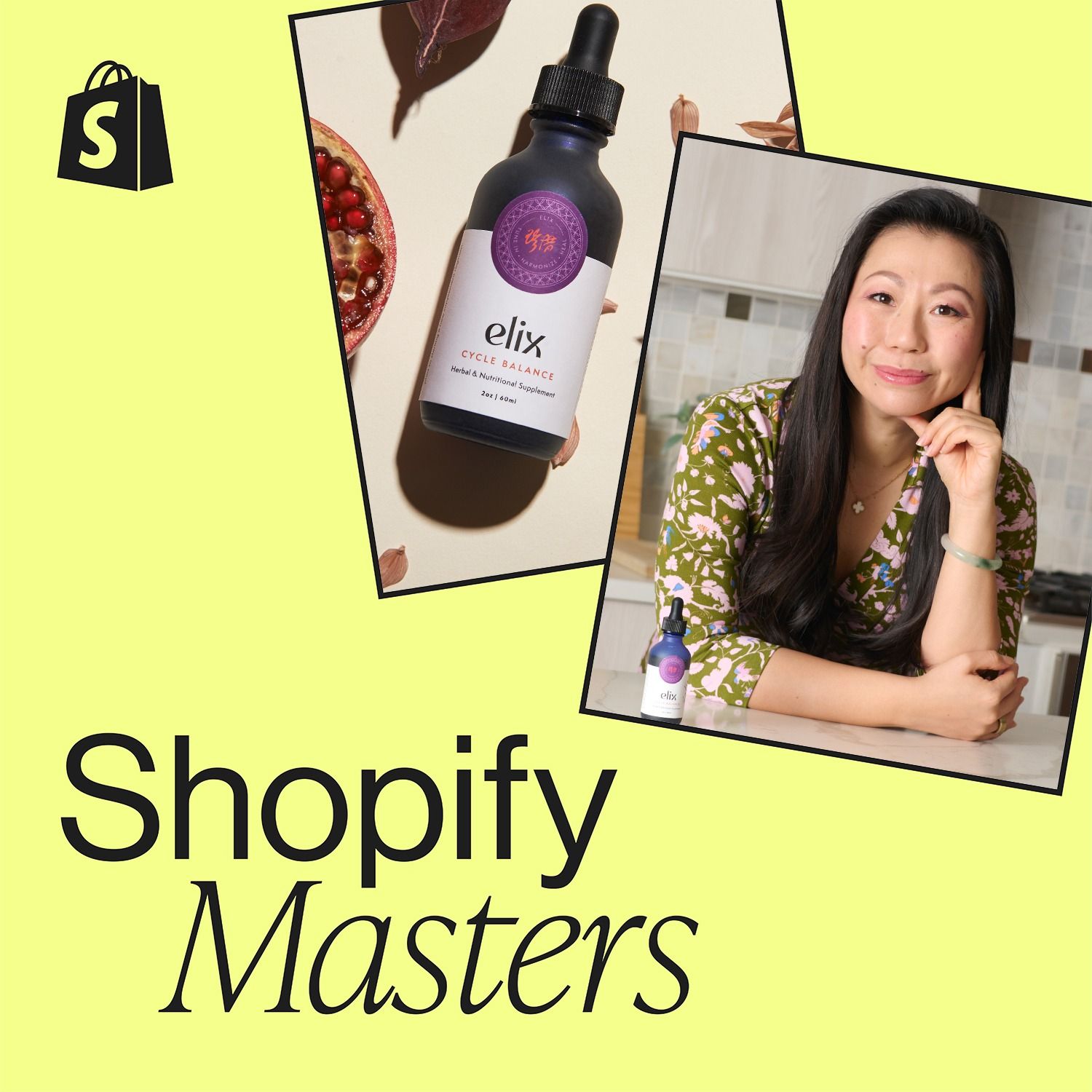
To build credibility in the modern healthcare landscape, Elix invests in formal, IRB-approved clinical studies for its traditional formulas. This strategy provides scientific validation, allowing them to operate as a credible resource alongside Western medicine, not in opposition to it.
Despite obvious dangers like thorns and venomous animals, going barefoot in the Amazon is the superior method for moving quietly and maintaining balance. This native technique provides tactile control and reduces noise far more effectively than wearing boots, which are clumsy and loud.
The GIK solution (glucose, insulin, potassium) was known for decades and worked in animal studies where it was given immediately. It failed in human trials because it was administered six or more hours after a heart attack began. The key innovation was realizing the therapy's success hinges on immediate administration at the first sign of symptoms.