Get your free personalized podcast brief
We scan new podcasts and send you the top 5 insights daily.
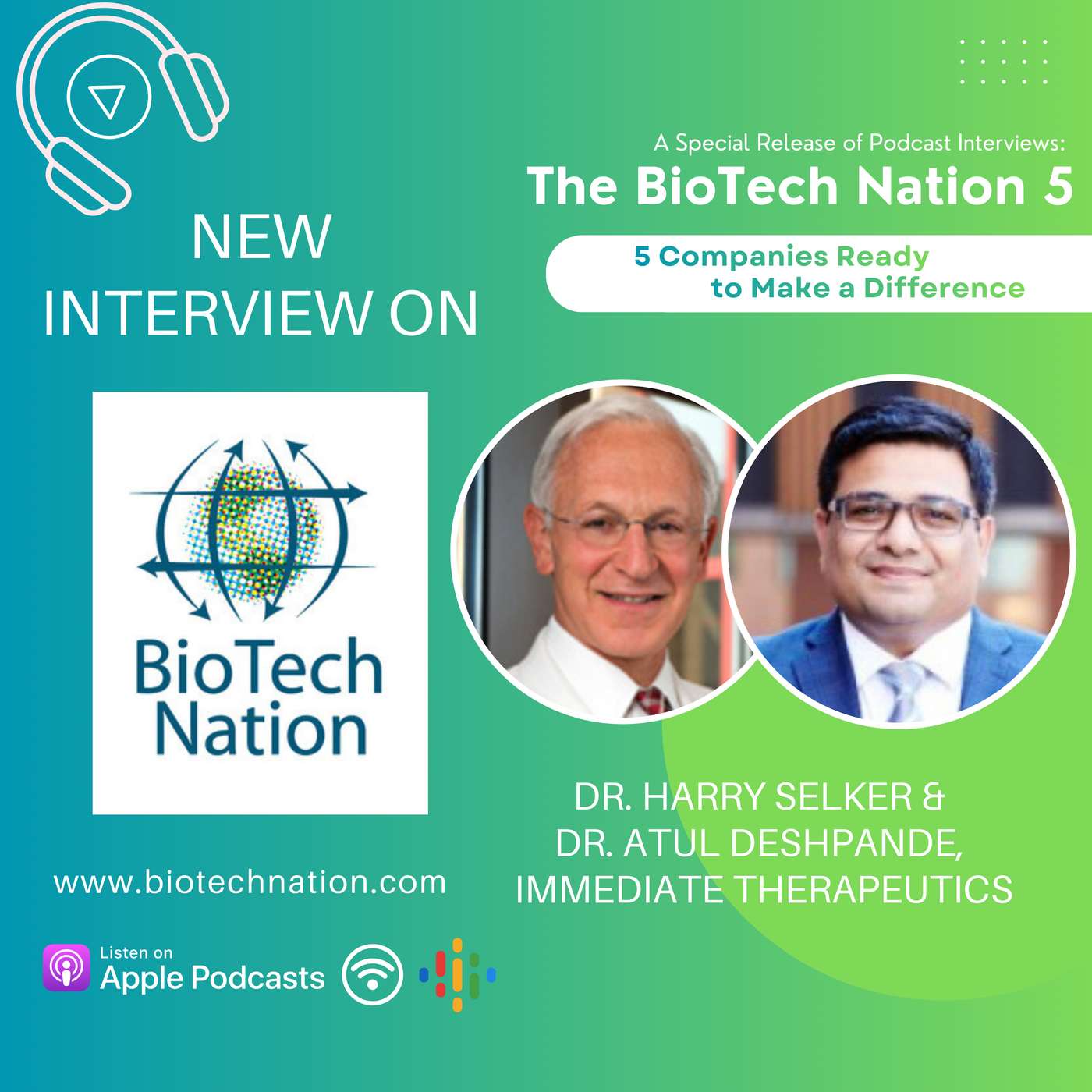
The GIK solution (glucose, insulin, potassium) was known for decades and worked in animal studies where it was given immediately. It failed in human trials because it was administered six or more hours after a heart attack began. The key innovation was realizing the therapy's success hinges on immediate administration at the first sign of symptoms.
Related Insights
Instead of waiting for allergy patients to have symptoms on study days, Dr. Abelson’s team created a model to induce the allergic reaction in a controlled way. This 'Conjunctival Allergy Challenge' allowed for precise, predictable testing of new drugs, dramatically speeding up development.
Beyond scientific rigor, designing a truly effective clinical trial protocol is a creative process. It involves artfully controlling for variables, selecting novel endpoints, and structuring the study to answer the core question in the most elegant and precise way possible, much like creating a piece of art.
After a successful trial showed GIK could halve cardiac arrest and mortality, researchers were surprised it wasn't adopted. Pharmaceutical companies refused to manufacture the simple glucose, insulin, and potassium mixture because it didn't fit their business model of patenting a new drug and marketing it heavily. This forced the researchers to form their own company.
The most valuable lessons in clinical trial design come from understanding what went wrong. By analyzing the protocols of failed studies, researchers can identify hidden biases, flawed methodologies, and uncontrolled variables, learning precisely what to avoid in their own work.
Of 7 million Americans annually who think they are having a heart attack, only a fraction are. Because the GIK therapy is extremely safe and non-toxic, it can be administered to all 3.5 million people with convincing symptoms. Treatment can be safely stopped for those not having an attack, ensuring the ~1.5 million who are get protected immediately, a strategy of 'treat broadly, then confirm'.
The traditional drug-centric trial model is failing. The next evolution is trials designed to validate the *decision-making process* itself, using platforms to assign the best therapy to heterogeneous patient groups, rather than testing one drug on a narrow population.

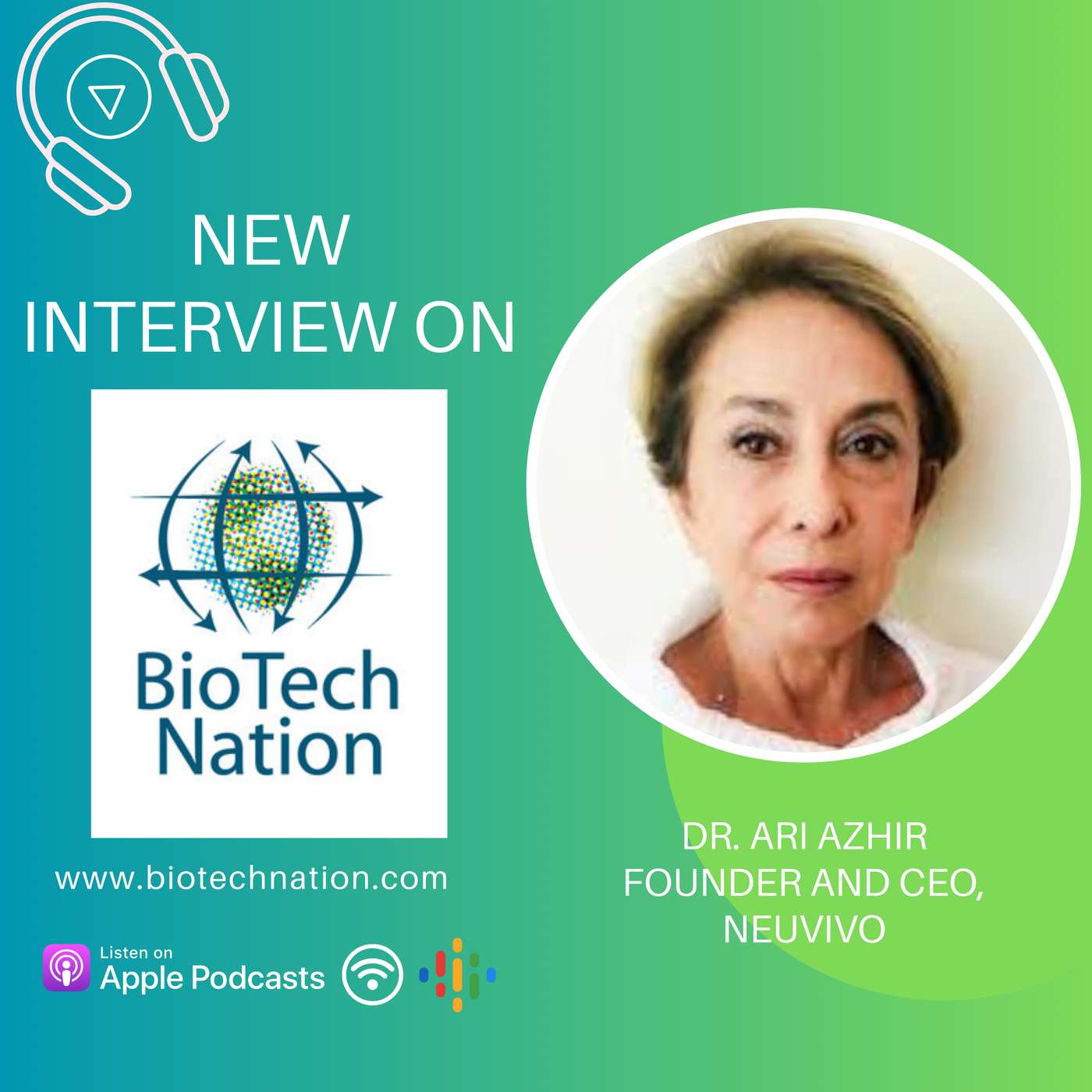
After reacquiring a "failed" ALS drug, Neuvivo's team re-analyzed the 200,000 pages of trial data. They discovered a programming error in the original analysis. Correcting this single mistake was a key step in reversing the trial's outcome from failure to success.
To save money, Rhythm's leadership considered canceling a clinical study because the prevailing scientific logic suggested their drug wouldn't work. The study's unexpected, resounding success became the company's pivotal turning point, highlighting the value of pursuing scientifically contrarian ideas.

Unlike using genetically identical mice, Gordian tests therapies in large, genetically varied animals. This variation mimics human patient diversity, helping identify drugs that are effective across different biological profiles and addressing patient heterogeneity, a primary cause of clinical trial failure.
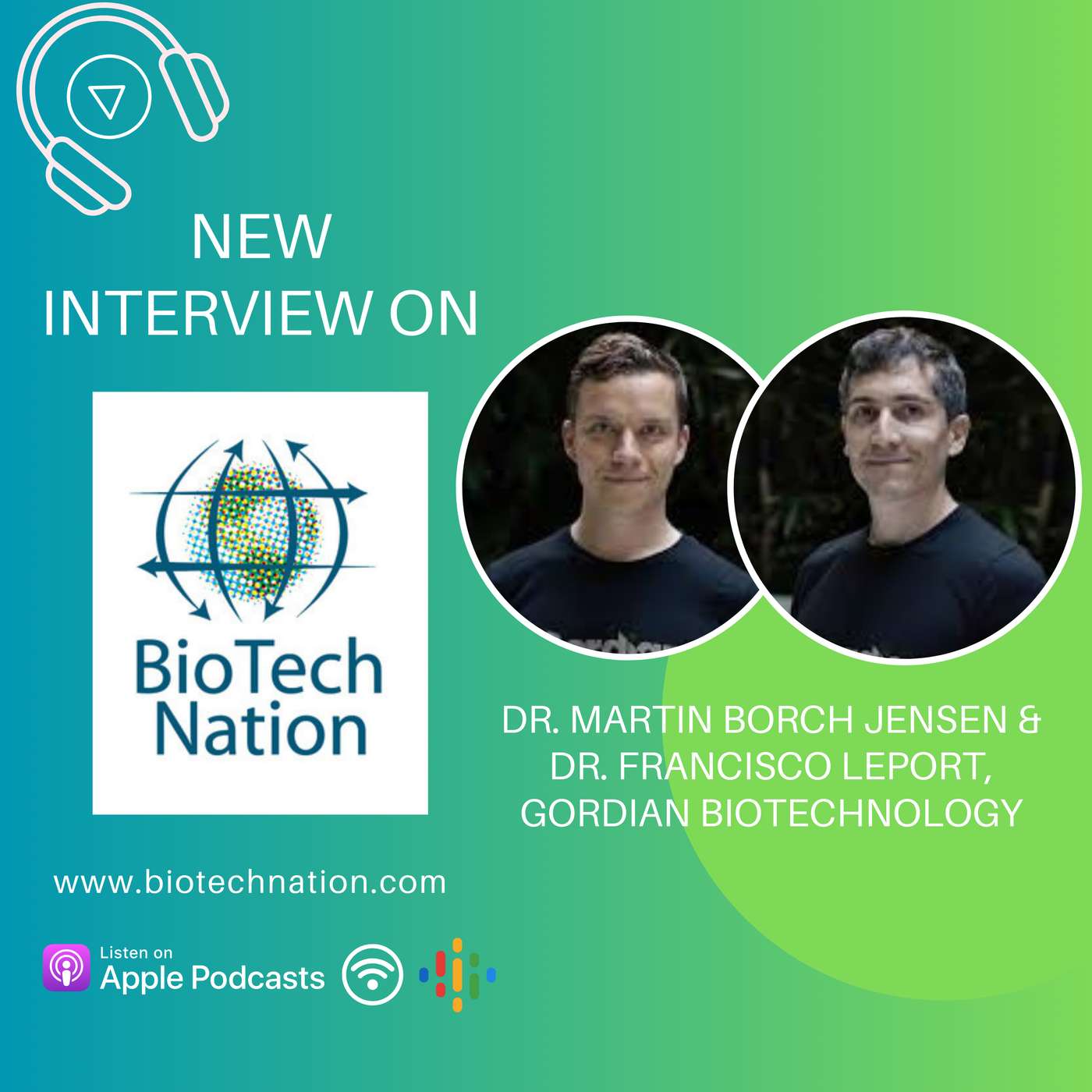
The company intentionally makes its early research "harder in the short term" by using complex, long-term animal models. This counterintuitive strategy is designed to generate highly predictive data early, thereby reducing the massive financial risk and high failure rate of the later-stage clinical trials.