Get your free personalized podcast brief
We scan new podcasts and send you the top 5 insights daily.
To build credibility in the modern healthcare landscape, Elix invests in formal, IRB-approved clinical studies for its traditional formulas. This strategy provides scientific validation, allowing them to operate as a credible resource alongside Western medicine, not in opposition to it.
Related Insights
Wonder Health operates a high-end lab not as its primary business, but as a research engine. By collecting unique, cross-disciplinary data from 100 "guinea pigs," it aims to uncover patterns and insights that can be developed into scalable health products for a broad audience.

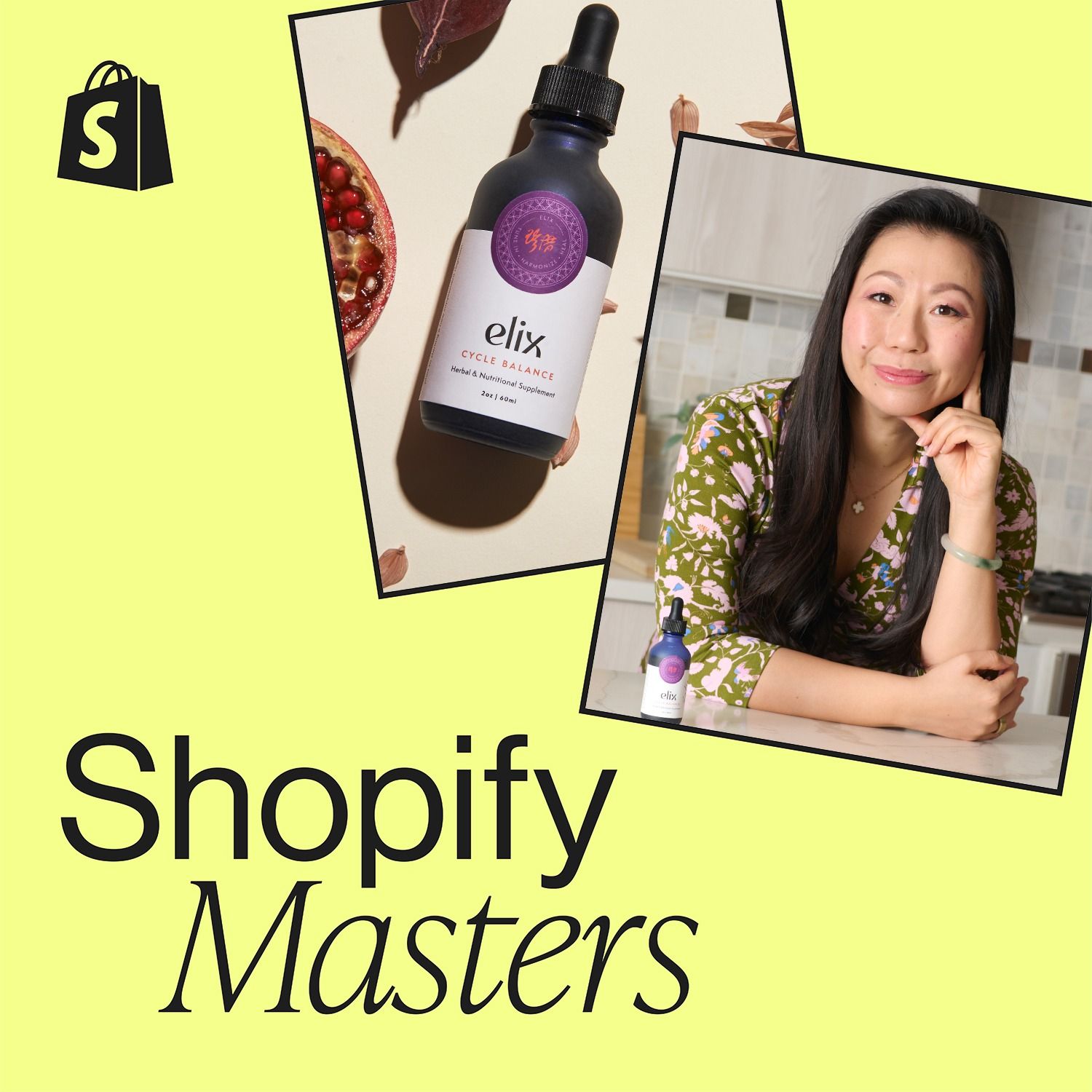
Elix founder Lulu Ge assumed her organic Chinese medicine brand would appeal to an urban, liberal demographic. Instead, she was surprised to find her highest-converting customers were from rural, non-coastal areas, highlighting the danger of demographic assumptions and the broad need for alternative health solutions.
Elix founder Lulu Ge launched a beta test called "#periodpainfree" with basic packaging. This allowed her to gauge real-world demand from strangers online before committing resources to a full brand launch, proving the concept's viability cheaply and effectively.
The success of science-first brands like OneSkin signals a market shift. The Millennial obsession with "clean, natural, organic" is giving way to a new focus on "clinical," lab-proven efficacy. This trend is visible across beauty (Botox), wellness (Ozempic), and food (protein additives), favoring chemistry and results over purity.

To differentiate from competitors and build consumer trust, Olipop substantiates its health claims with empirical data. The company partners with Purdue University's labs to run in-vitro and human clinical trials that validate the product's positive effects on microbiome health and blood sugar stability.

To save money, Rhythm's leadership considered canceling a clinical study because the prevailing scientific logic suggested their drug wouldn't work. The study's unexpected, resounding success became the company's pivotal turning point, highlighting the value of pursuing scientifically contrarian ideas.

Investing in clinical studies is not just for product validation; it's a powerful marketing strategy. It allows you to make scientifically-backed claims in ads that competitors cannot legally replicate, creating a significant and sustainable competitive advantage.

During a period of rising anti-Chinese sentiment, Elix discovered its greatest strength was its heritage. Customers were drawn to the unique educational framework of Chinese medicine for understanding their bodies, proving that leaning into a niche identity can be a powerful differentiator.
For sophisticated consumers, branding based on unsubstantiated luxury materials can create skepticism. A marketing message focused on scientific proof, tangible benefits, and performance can be more compelling and build greater trust, especially for a high-price-point product.

Founder Lulu Ge realized personalization was key to Chinese medicine but hard to scale. She built a free online health assessment that digitizes the diagnostic questioning of an herbalist. This allowed the company to recommend personalized herbal blends to a mass audience, successfully scaling a traditionally bespoke service.