Get your free personalized podcast brief
We scan new podcasts and send you the top 5 insights daily.
The consulting giant is shifting its business model from pure advisory work (fee-for-service) to an outcomes-based approach. McKinsey co-creates a business case with the client and contractually underwrites the results, aligning its incentives directly with client success.
Related Insights
AI enables a fundamental shift in business models away from selling access (per seat) or usage (per token) towards selling results. For example, customer support AI will be priced per resolved ticket. This outcome-based model will become the standard as AI's capabilities for completing specific, measurable tasks improve.

As agencies adopt AI to increase efficiency, clients will rightfully question traditional pricing models based on billable hours. This creates an "arbitrage" problem, forcing agencies to redefine and justify their value based on strategic insight and outcomes, not just the labor involved.

When fundamental market changes make your business model obsolete, incremental changes aren't enough. You must consider how your underlying talent and expertise can be repackaged into a completely different business, like turning a tech platform into a consulting service.

The dominant per-user-per-month SaaS business model is becoming obsolete for AI-native companies. The new standard is consumption or outcome-based pricing. Customers will pay for the specific task an AI completes or the value it generates, not for a seat license, fundamentally changing how software is sold.

Proposing an outcome-based pricing model next to a high fixed-fee option forces the negotiation to focus on value, not cost. Even if the customer chooses the fixed fee, they're anchored on a much higher number and are less likely to negotiate it down significantly.
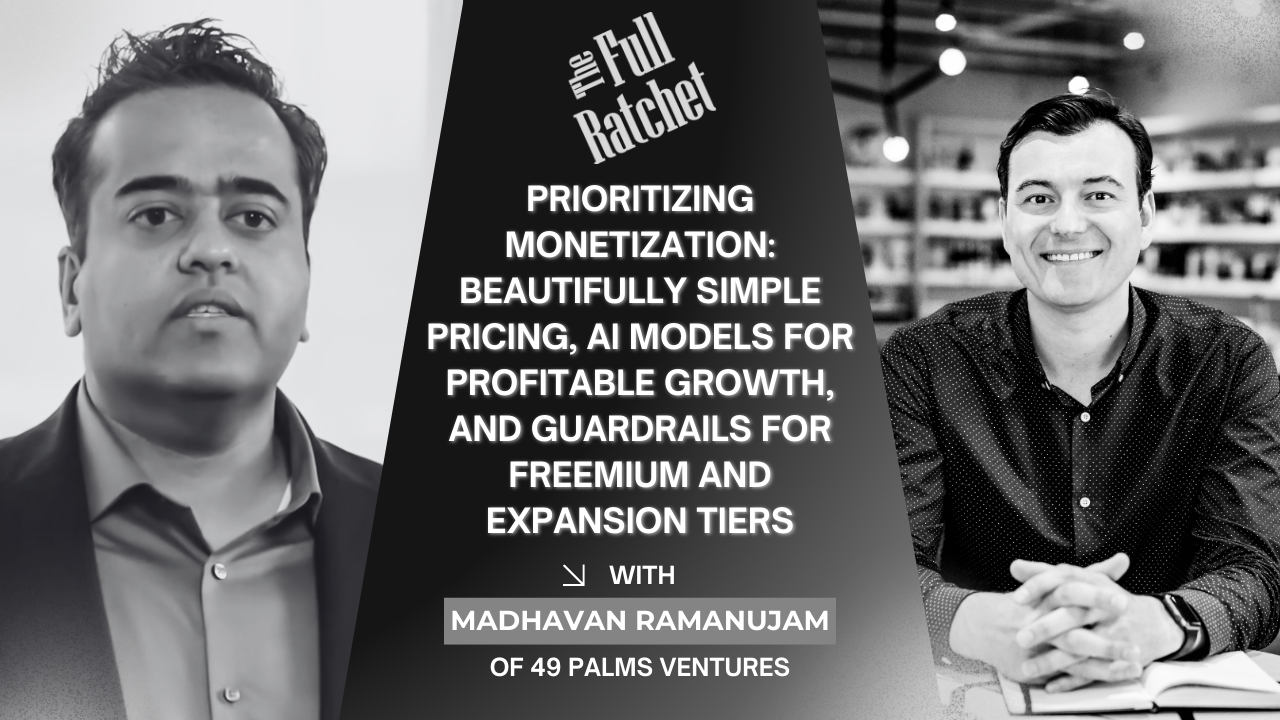
Business model innovation is a third, often-overlooked pillar of success alongside product and go-to-market. A novel business model can unlock better unit economics, align incentives with customers, and dictate the entire product and operational strategy.

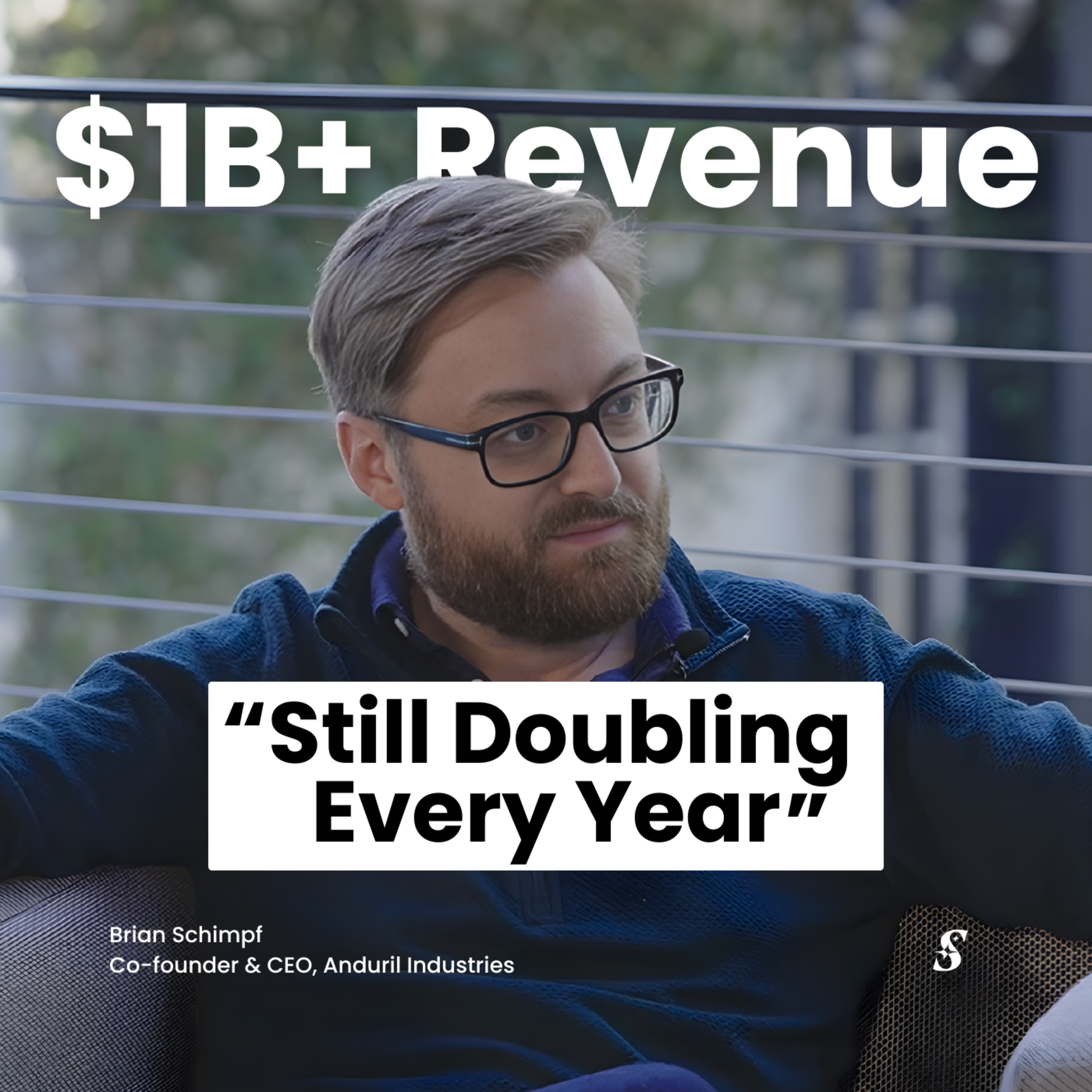
Anduril advocates for performance-based contracts, a controversial model in government where payment is contingent on the product working. This forces internal accountability and aligns their interests with the customer's, contrasting with traditional cost-plus models that place all risk on the government.
In the age of AI, software is shifting from a tool that assists humans to an agent that completes tasks. The pricing model should reflect this. Instead of a subscription for access (a license), charge for the value created when the AI successfully achieves a business outcome.

Move beyond selling features by offering a "Business Process as a Service" (BPaaS) solution. This involves contracting directly on the business outcomes clients care about, such as cost savings or revenue optimization. This model delivers an end-to-end capability and aligns your success directly with your customer's, creating a powerful value proposition.

Veteran tech executives argue that evolving a business model is much harder than changing technology. A business model creates a deep "rut" that aligns customers, sales incentives, and legal contracts, making strategic shifts (like moving from licensing to SaaS) incredibly painful and complex to execute.
