Get your free personalized podcast brief
We scan new podcasts and send you the top 5 insights daily.
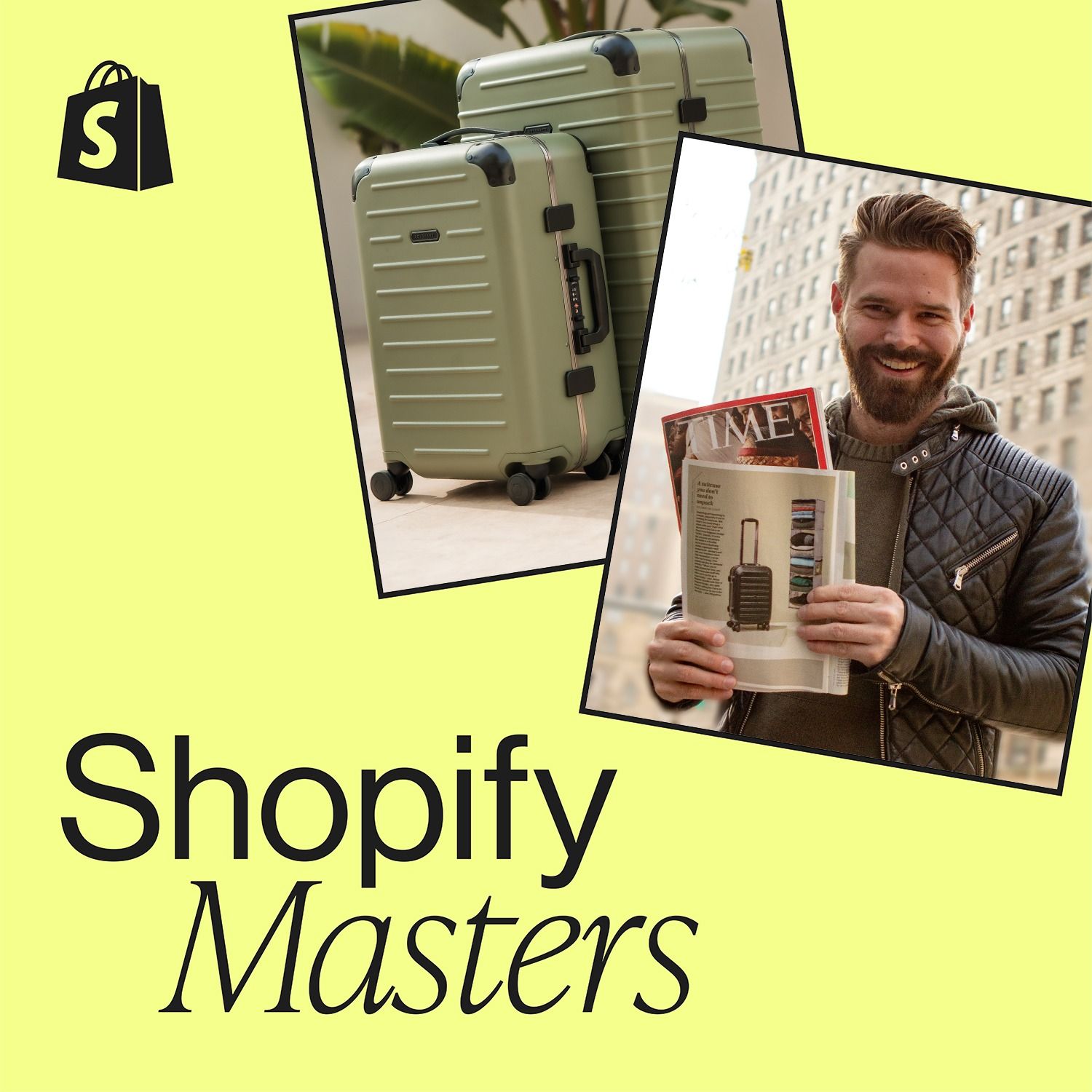
After his first business didn't work out, Adrian Solgaard used the Japanese concept of 'ikigai' to systematically find his next venture. By mapping what he's good at, what the world needs, what he can be paid for, and his passions, he landed on a sustainable travel brand.
Related Insights
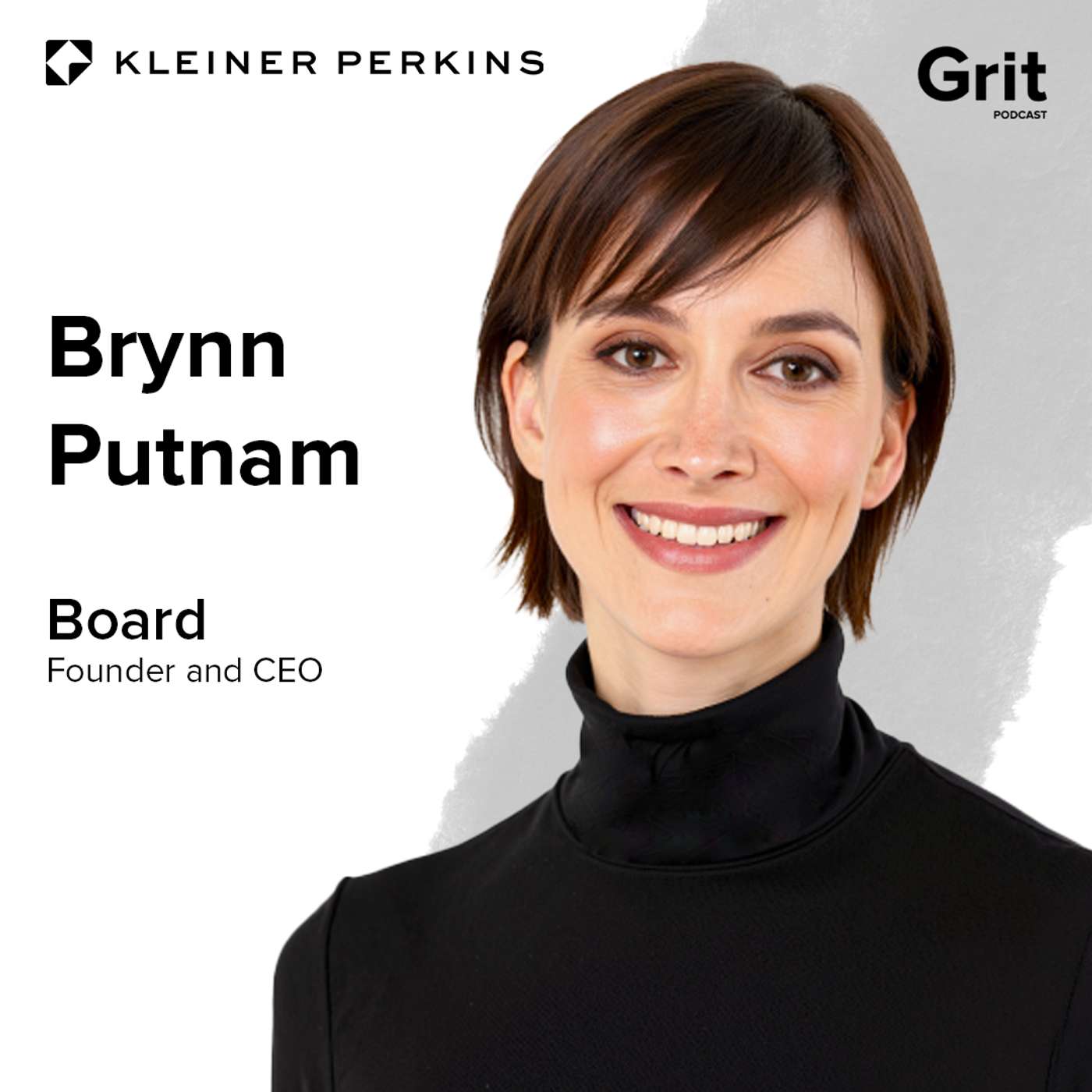
Bryn Putnam's shift from Mirror (solving personal fitness) to Bored (solving family connection) shows that compelling startup ideas often arise from a founder's current personal problems and values, evolving as their life does.
After their first product failed, the Zipline founders completely shut down their company before finding a new idea. They evaluated opportunities based on which unsolved problem would be most detrimental to humanity, a mission-driven approach that led them to life-saving logistics.

To find your true calling, divide your life into five-year increments. For each block, list what you loved doing and what others said you excelled at. The seven or so themes that repeatedly emerge point directly to your core purpose and passion, which often get lost in the pursuit of money.

Instead of chasing trends or pivoting every few weeks, founders should focus on a singular mission that stems from their unique expertise and conviction. This approach builds durable, meaningful companies rather than simply chasing valuations.

Founder Adrian Solgaard believes extreme constraints, like having only €637 left, force entrepreneurs to cut through distractions and hyper-focus. This pressure cooker environment, where survival is the only goal, is where the most magical, focused work happens.
Instead of searching for a market to serve, founders should solve a problem they personally experience. This "bottom-up" approach guarantees product-market fit for at least one person—the founder—providing a solid foundation to build upon and avoiding the common failure of abstract, top-down market analysis.

Maintain a running list of problems you encounter. If a problem persists and you keep running into it after a year, it's a strong signal for a potential business idea. This "aging" process filters out fleeting frustrations from genuinely persistent, valuable problems.

Don't start with a business idea and force your life to conform. Instead, define how you want to spend your days—your desired lifestyle. Then, operate within that box to find a business model that achieves your financial and impact goals. This ensures long-term alignment and fulfillment.

The most enduring companies, like Facebook and Google, began with founders solving a problem they personally experienced. Trying to logically deduce a mission from market reports lacks the authenticity and passion required to build something great. The best ideas are organic, not analytical.