Get your free personalized podcast brief
We scan new podcasts and send you the top 5 insights daily.
Exceptional CEOs sometimes exhibit true altruism, prioritizing shareholders above personal enrichment. Mark Leonard of Constellation Software cutting his salary to zero and refusing options is a prime example. This rare trait signals a deep alignment with long-term shareholder value creation.

Related Insights
When Nikesh Arora joined Palo Alto, he didn't ask for a raise. He asked for seven years of the previous CEO's pay ($20M/year) granted upfront as stock with a seven-year vest. This single, long-term grant fully aligned him with shareholder value and simplified future compensation discussions.

The optimal founder salary is a balancing act. It should be the largest amount the business can sustain without taking a hit, yet the smallest amount you can personally live on comfortably. This strategy frees up the maximum amount of capital for strategic reinvestment into the business's growth.

The ultimate differentiator for CEOs over decades isn't just product, but their skill as a capital allocator. Once a company generates cash, the CEO's job shifts to investing it wisely through M&A, R&D, and buybacks, a skill few are trained for but the best master.

As a CEO with no personal shares, Sam Altman is unconcerned with dilution at OpenAI. This unique position frees him to authorize massive, dilutive stock-based compensation packages and raise vast amounts of capital, prioritizing winning the AI race above all else, without the typical founder's financial constraints.

Public companies, beholden to quarterly earnings, often behave like "psychopaths," optimizing for short-term metrics at the expense of customer relationships. In contrast, founder-led or family-owned firms can invest in long-term customer value, leading to more sustainable success.
Thiel observes that the less an early-stage CEO is paid, the better the company performs. A low salary (under $150k) paired with high equity aligns the CEO with long-term value creation and sets a culture of shared sacrifice, whereas high pay incentivizes protecting the status quo.
Warren Buffett's successor, Greg Abel, is investing his entire $15 million salary into Berkshire Hathaway stock. This is a powerful form of "eating your own dog food" that signals ultimate confidence in the company's future to the market, aligning his personal financial success directly with shareholder outcomes.

Contrary to a shareholder-first dogma, these leaders operate on an employee-first principle. They believe that well-treated, empowered employees provide superior customer service. This creates loyal customers, which drives sustainable profits and ultimately delivers superior long-term returns for shareholders.

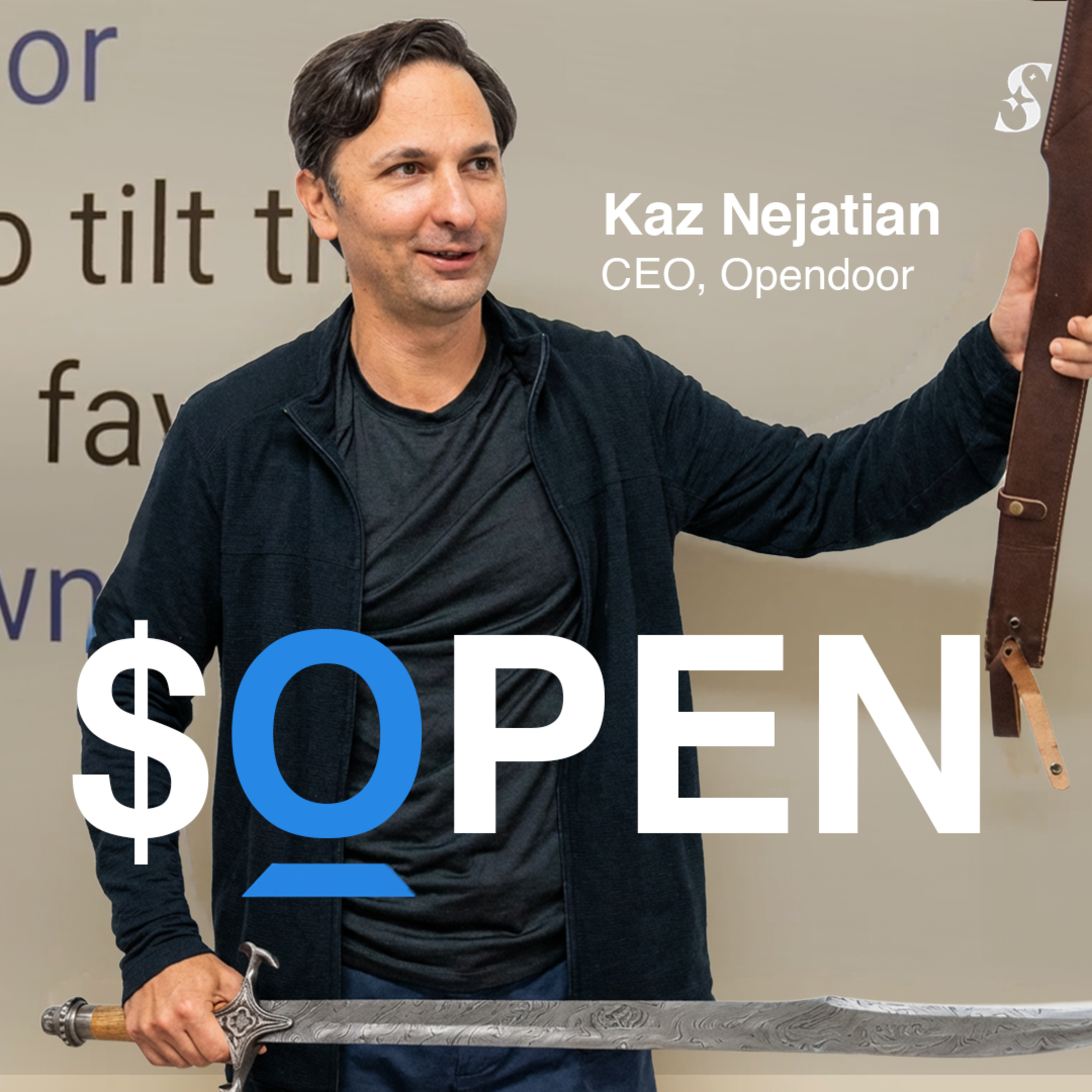
CEO Kaz Nejatian's compensation is a $1 salary, and he pays for his own benefits, resulting in a net-negative cash flow. This is an extreme form of "skin in the game" that aligns his incentives entirely with long-term shareholder value over a personal paycheck.
Sam Altman holding no shares in OpenAI is unprecedented for a CEO of his stature. This seemingly disadvantageous position paradoxically grants him more power by making him immune to accusations of purely financial motives, separating his leadership from personal capitalist gain.