Get your free personalized podcast brief
We scan new podcasts and send you the top 5 insights daily.
Warren Buffett's successor, Greg Abel, is investing his entire $15 million salary into Berkshire Hathaway stock. This is a powerful form of "eating your own dog food" that signals ultimate confidence in the company's future to the market, aligning his personal financial success directly with shareholder outcomes.

Related Insights
In biotech, CEO insider buys are common and not very predictive. The real signal comes from the rest of the management team, especially the CFO. CFOs are typically more bearish and financially disciplined, so their decision to buy company stock is a particularly strong vote of confidence.

When Nikesh Arora joined Palo Alto, he didn't ask for a raise. He asked for seven years of the previous CEO's pay ($20M/year) granted upfront as stock with a seven-year vest. This single, long-term grant fully aligned him with shareholder value and simplified future compensation discussions.

To ensure true alignment and 'skin in the game,' offer proven managers the opportunity to buy into the HoldCo's equity rather than giving them stock grants. People value what they pay for, creating a stronger sense of ownership and long-term commitment.

New CEO Greg Abel's $25M flat salary, without performance-based incentives, reflects a "fortress" mentality. This structure prioritizes stability and risk management for the trillion-dollar company, de-emphasizing the aggressive growth targets common in S&P 500 CEO compensation packages.

Companies termed "share cannibals" aggressively repurchase their own shares, especially when undervalued. This capital allocation strategy is often superior to dividends because it transfers value from sellers to long-term shareholders and acts as a high-return, low-risk investment in the company's own business.

Thiel observes that the less an early-stage CEO is paid, the better the company performs. A low salary (under $150k) paired with high equity aligns the CEO with long-term value creation and sets a culture of shared sacrifice, whereas high pay incentivizes protecting the status quo.
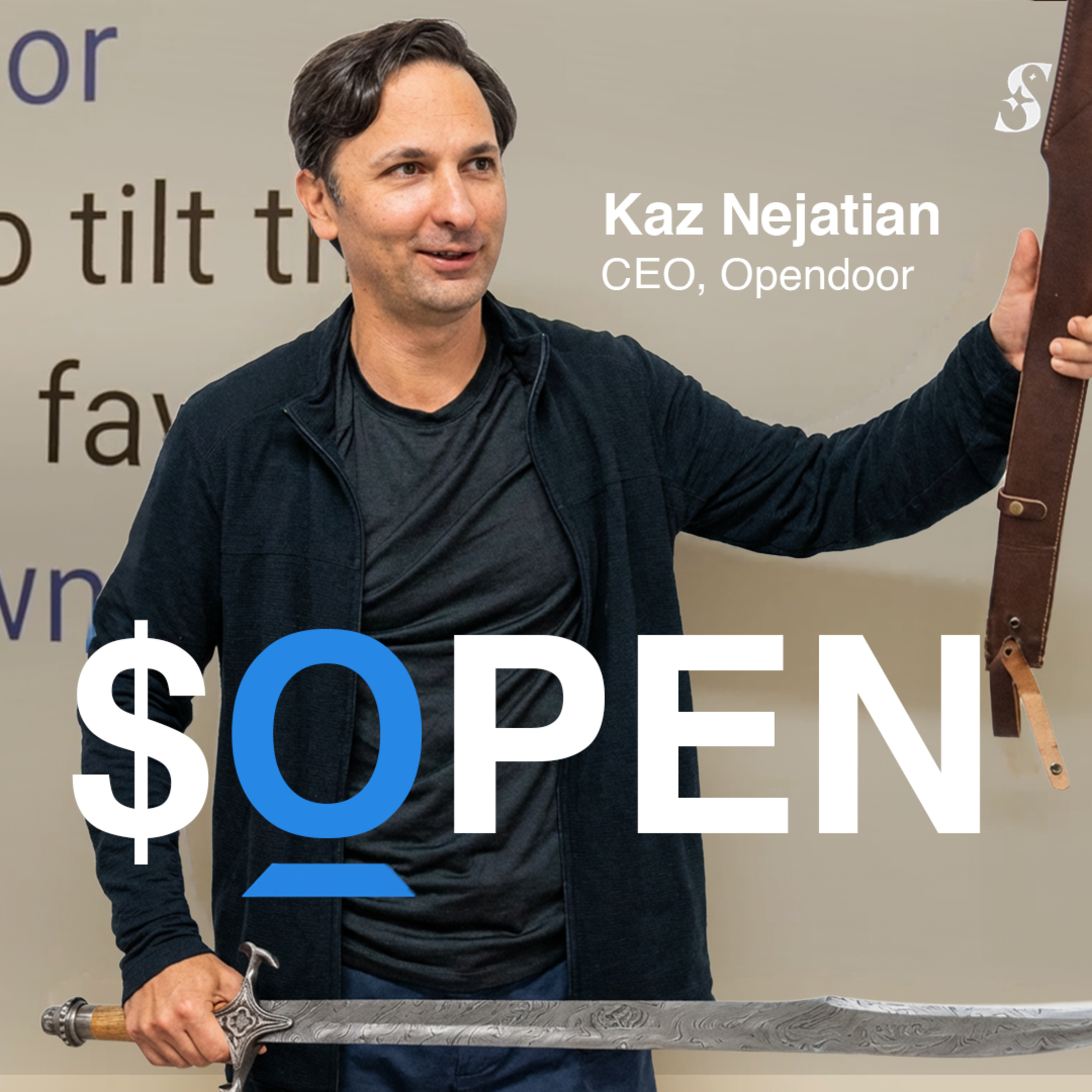
CEO Kaz Nejatian's compensation is a $1 salary, and he pays for his own benefits, resulting in a net-negative cash flow. This is an extreme form of "skin in the game" that aligns his incentives entirely with long-term shareholder value over a personal paycheck.
A tender offer, where a company buys a large block of its stock in a set price range, signals higher conviction than a typical buyback program. It forces management to put a stake in the ground, indicating they believe the shares are significantly undervalued at a specific price.

Instead of directly praising his successor Greg Abel, Buffett's final letter is a masterclass in indirect endorsement. By repeatedly emphasizing traits like integrity and dependability, he frames character as the most crucial CEO qualification, implicitly anointing Abel without needing to mention his name often.

Jonathan Tepper views aggressive share buybacks during market downturns as a hallmark of a superior CEO. Unlike managers who buy back shares when things are good and the stock is high, great capital allocators like Booking.com's CEO seize moments of market fear to repurchase shares at a discount, creating significant long-term value.