Get your free personalized podcast brief
We scan new podcasts and send you the top 5 insights daily.
OpenClaw's rapid ascent to become the second-largest project on GitHub is being compared to the LAMP stack's role in the early web. This suggests it is becoming a fundamental, enabling technology layer upon which a massive new ecosystem of AI applications and businesses will be built.

Related Insights
The rapid adoption of features like remote control and scheduled tasks by Anthropic, Perplexity, and Notion is not about copying the open-source OpenClaw project. Instead, it marks the industry's recognition of a new set of fundamental "primitives" for agentic AI: persistent, remotely accessible, and autonomous operation. These are becoming the new standard for AI interaction.

The story of OpenClaw's creator shows how a single person can build a tool so superior to what large labs like OpenAI produce that it forces a high-profile "acqui-hire." This highlights the immense leverage of individual talent in the current AI landscape.
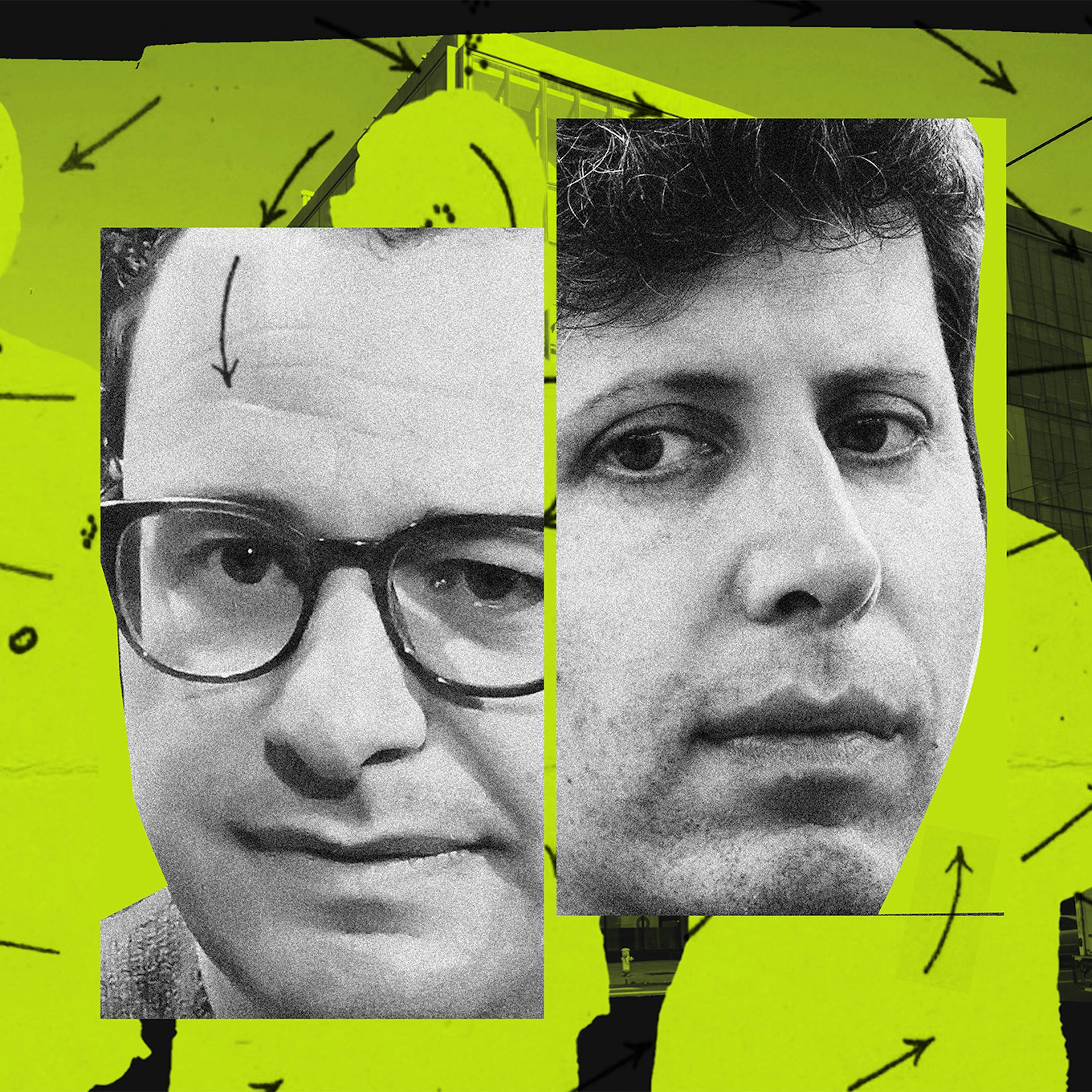
The AI.com Super Bowl ad was a wrapper for OpenClaw, an open-source agent framework that had only gone viral two weeks prior. This demonstrates the unprecedented speed of the current AI hype cycle, where a new technology can become the basis for a multi-million dollar ad campaign almost instantly.
According to Jerry Murdock, AI-native startups are using open-source autonomous agents like OpenClaw to write code so effectively that they view heavily-funded tools like Cursor as obsolete. This highlights the existential threat that fast-moving open-source AI poses to established players.

The open-source project OpenClaw grew quietly for two months until public endorsements from renowned AI researcher Andre Karpathy and VC David Sachs. This highlights how influencer marketing, even in highly technical fields, can be the primary catalyst for a project's viral trajectory, proving more effective than traditional marketing.

OpenClaw's viral developer adoption demonstrates a massive demand for truly autonomous AI agents, even if it means breaking safety guardrails. This grassroots movement has forced major AI labs to embrace the trend, as the desire for capability outweighs initial safety concerns.
The current wave of AI, particularly agentic technology, is not just another incremental improvement. It's a confluence of major technological shifts, enabling automation at a rate of 5-10% per week, leading to exponential increases in productivity that dwarf prior innovations like cloud or mobile.
The technical capabilities of OpenClaw are replicable; its real moat is the massive, self-reinforcing community of builders and resources that spontaneously converged around it. OpenAI acquired not just a tool, but the entire ecosystem's focal point for agentic AI development—a far more durable competitive advantage than code alone.
Altman praises projects like OpenClaw, noting their ability to innovate is a direct result of being unconstrained by the lawsuit and data privacy fears that paralyze large companies. He sees them as the "Homebrew Computer Club" for the AI era, pioneering new UX paradigms.
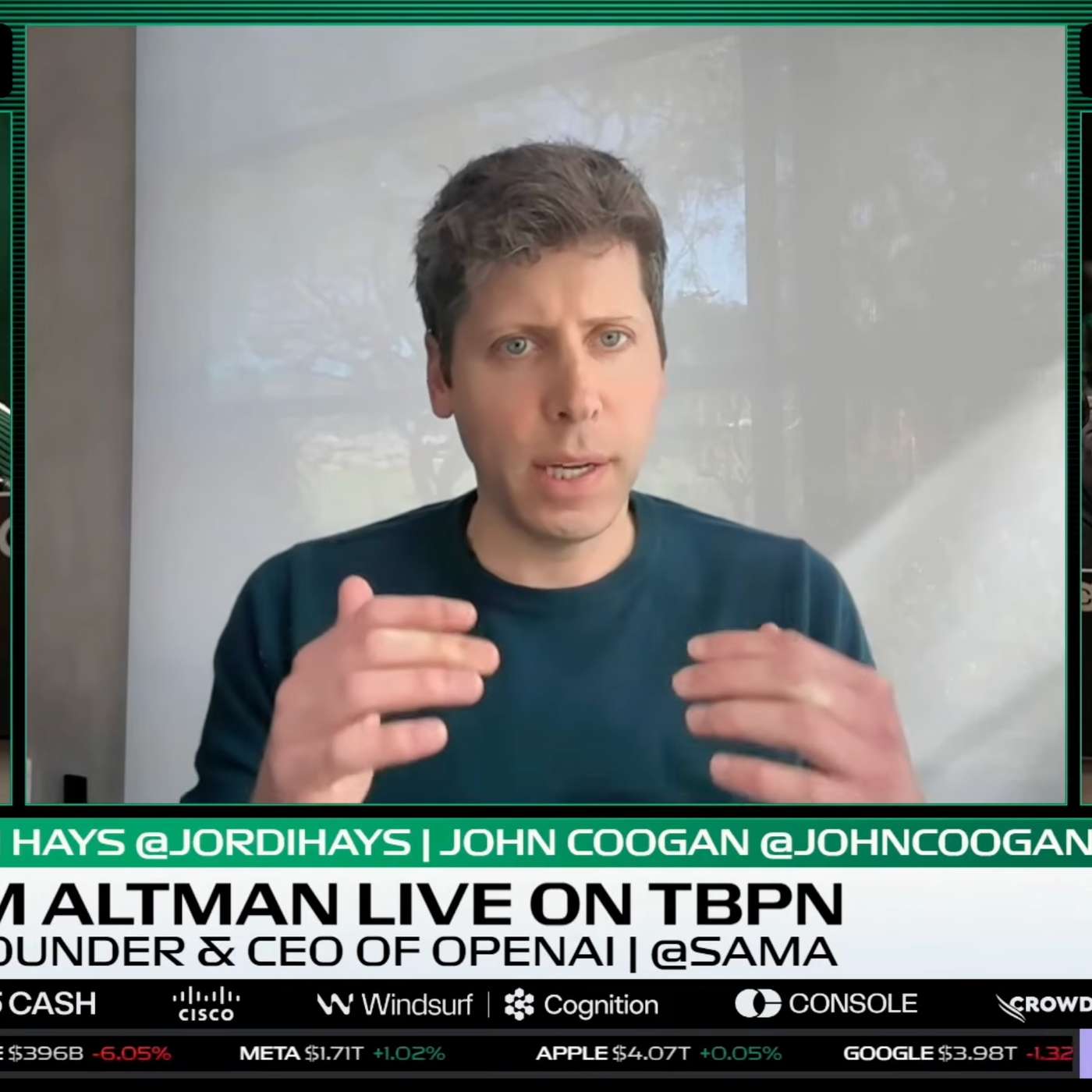
As foundational AI models become commoditized 'intelligence utilities,' the economic value moves up the stack. Orchestrators like OpenClaw, which can intelligently route tasks to the most efficient model based on cost or use case, are positioned to capture the margin that the underlying model providers cannot.
