Get your free personalized podcast brief
We scan new podcasts and send you the top 5 insights daily.
According to Jerry Murdock, AI-native startups are using open-source autonomous agents like OpenClaw to write code so effectively that they view heavily-funded tools like Cursor as obsolete. This highlights the existential threat that fast-moving open-source AI poses to established players.

Related Insights
In the emerging AI agent space, open-source projects like 'Claude Bot' are perceived by technical users as more powerful and flexible than their commercial, venture-backed counterparts like Anthropic's 'Cowork'. The open-source community is currently outpacing corporate product development in raw capability.

New AI coding agents excel at creating fresh applications but struggle with complex, existing codebases. This gives flexible startups a significant advantage over large companies burdened by legacy systems, fundamentally rebalancing power in the tech industry.

The story of OpenClaw's creator shows how a single person can build a tool so superior to what large labs like OpenAI produce that it forces a high-profile "acqui-hire." This highlights the immense leverage of individual talent in the current AI landscape.
Historically, a deep library of integrations (like MuleSoft's or Rippling's) created a powerful defensive moat. Now, AI coding agents like Devin can replicate hundreds of integrations in a month at a very low cost, making this form of defensibility obsolete.

AI agents like OpenClaw dramatically lower the barrier to creating software. Founders with no prior coding experience can now build complex applications simply by issuing conversational commands, effectively making software development feel 'free' and accessible to anyone with an idea.
OpenClaw's viral developer adoption demonstrates a massive demand for truly autonomous AI agents, even if it means breaking safety guardrails. This grassroots movement has forced major AI labs to embrace the trend, as the desire for capability outweighs initial safety concerns.
The core value proposition of no-code platforms—building software without code—is being eroded by AI tools. AI-assisted 'vibe coding' makes it much easier for non-specialists to build internal line-of-business apps, a key use case for no-code, posing an existential threat to major players.

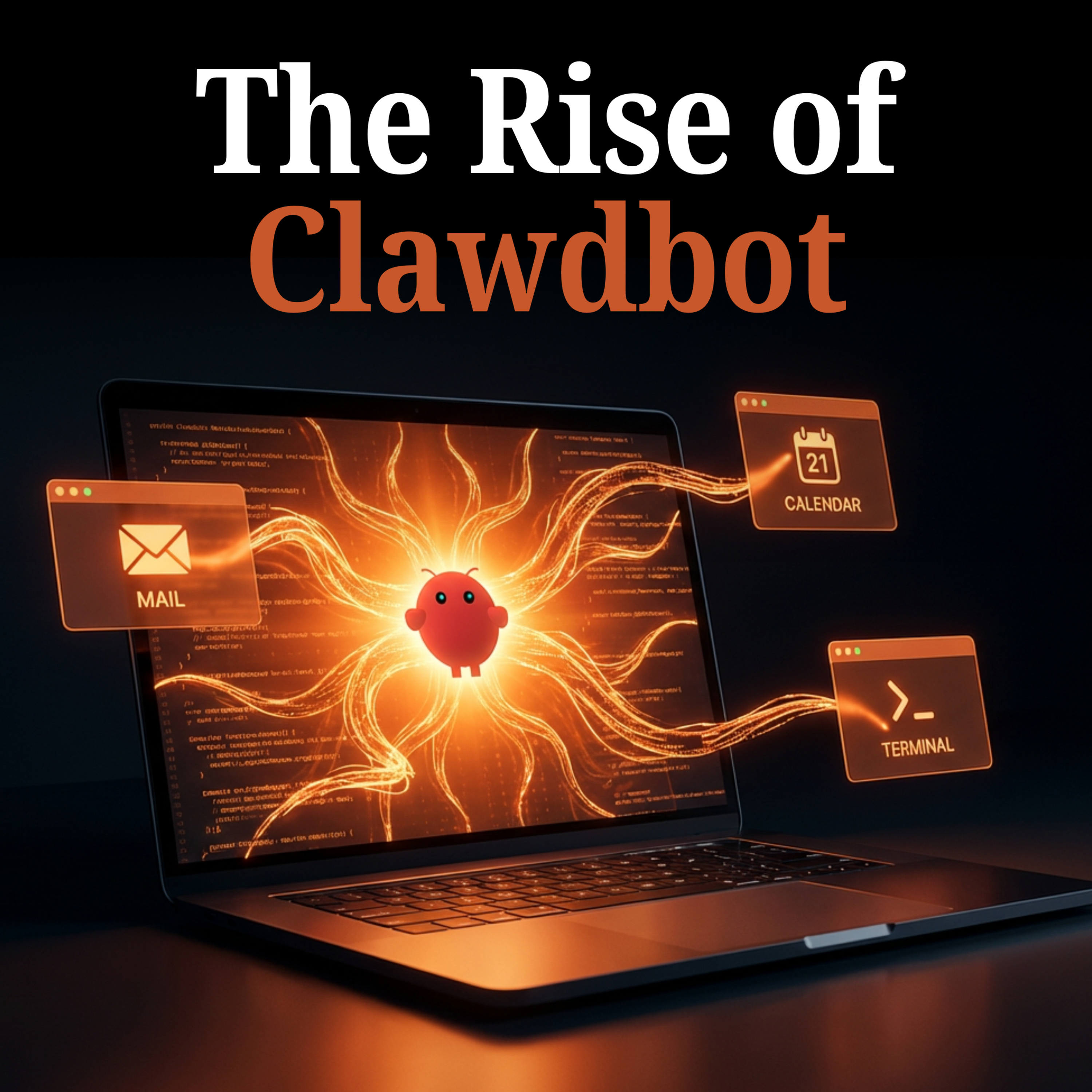
Clawdbot, an open-source project, has rapidly achieved broad, agentic capabilities that large AI labs (like Anthropic with its 'Cowork' feature) are slower to release due to safety, liability, and bureaucratic constraints.
Startups building on top of AI models, like coding assistant Cursor, are extremely vulnerable. As foundation model companies like Anthropic improve their own native capabilities (e.g., Claude Code), they can quickly capture the market and render specialized tools obsolete.

Historically, developer tools adapted to a company's codebase. The productivity gains from AI agents are so significant that the dynamic has flipped: for the first time, companies are proactively changing their code, logging, and tooling to be more 'agent-friendly,' rather than the other way around.
